
Ten Everyday Objects, a Century Apart
The same object in 1925 and today, and the specific reason each one changed: new materials, new rules, cheaper manufacturing or a job that disappeared.

Comparison is the quickest form of history. Put two versions of the same object side by side and the reasons for the change usually explain themselves.
What is striking, doing it across ten objects, is how few of the reasons are about taste. Almost all of them are about materials, manufacturing cost, electrification, safety regulation, or the price of labour relative to the price of goods.
Ten of them, counting up to the one that explains the rest.
-
Number 10: The kettle
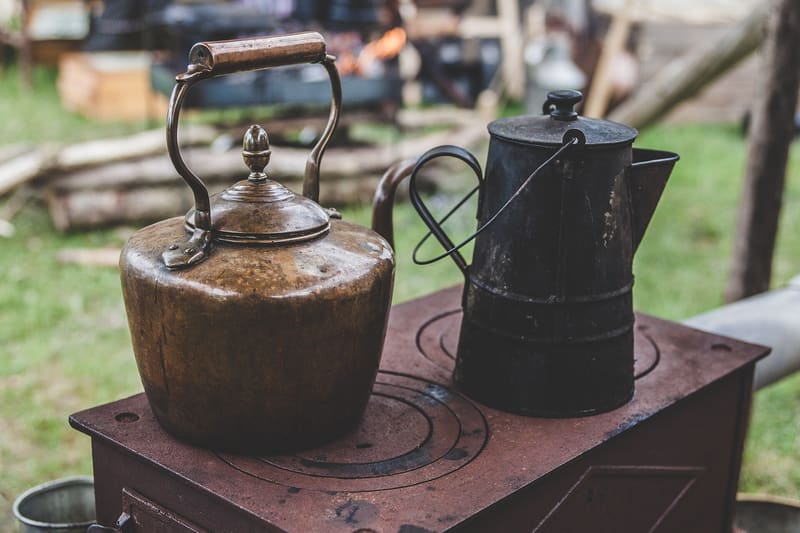
Clem Onojeghuo clemono2 — CC0 — Wikimedia Commons Then: enamelled steel or copper, heated on a range, with a whistle and a wooden handle that eventually charred. Now: a plastic or steel jug with a concealed element, an automatic cut-off and a boil time under two minutes. The change was electrification followed by the safety cut-off, which is the part that made it fit-and-forget.
-
Number 9: The iron
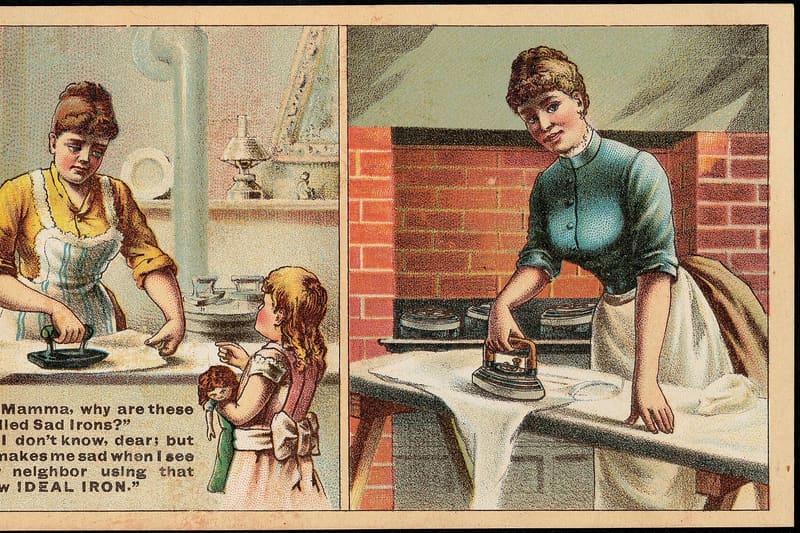
Creator unknown — Public domain — Wikimedia Commons Then: solid cast iron, heated on the stove, used in pairs so one warmed while the other worked. Now: thermostatically controlled, steam-generating and light. The intermediate step, an electric iron with no thermostat, was responsible for a great many scorched shirts.
-
Number 8: The vacuum cleaner
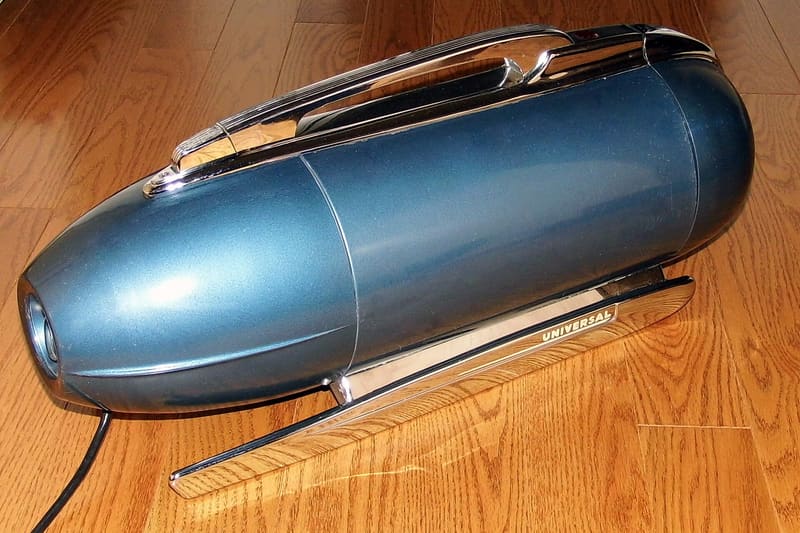
Joe Haupt from USA — CC BY-SA 2.0 — Wikimedia Commons Then: a heavy upright with a cloth bag, sold door to door and treated as a serious capital purchase. Now: cordless, bagless and considered disposable. The interesting change is not the technology but the expectation — a 1925 machine was bought expecting decades of service and repair.
-
Number 7: The telephone
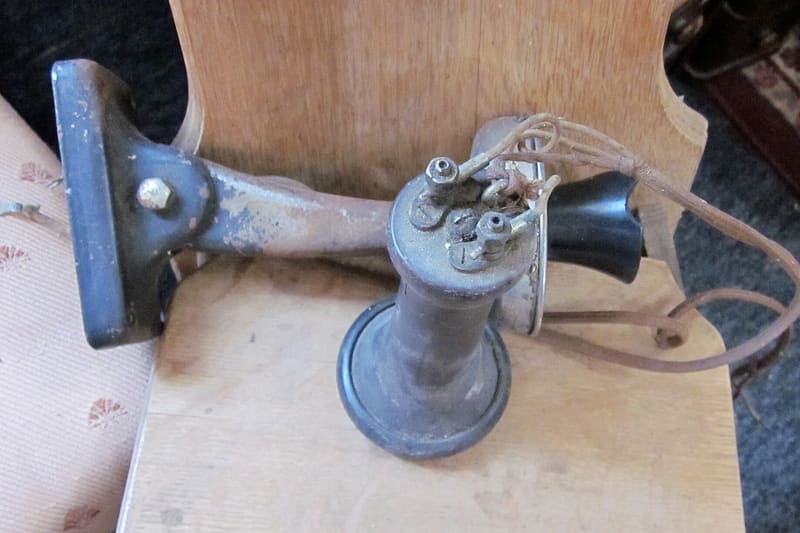
Infrogmation of New Orleans — CC BY-SA 3.0 — Wikimedia Commons Then: a fixed instrument wired into the house, rented rather than owned, with no dial in the earliest domestic versions and a number connected by an operator. Now: personal, portable, owned and replaced every few years.
-
Number 6: The razor
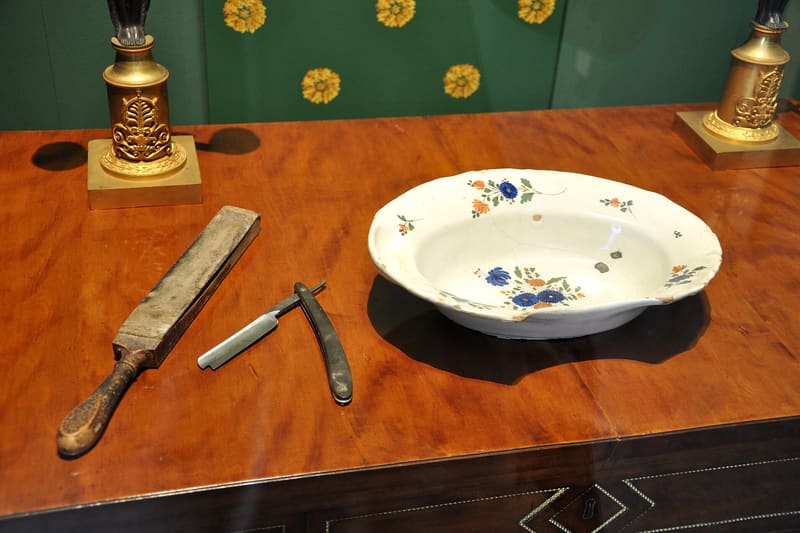
AustinTowers — Public domain — Wikimedia Commons Then: a straight razor or an early safety razor with replaceable blades, stropped and maintained. Now: multi-blade cartridges or electric. The direction of travel was from a maintained tool to a consumable, and the business model followed it.
-
Number 5: Children's toys
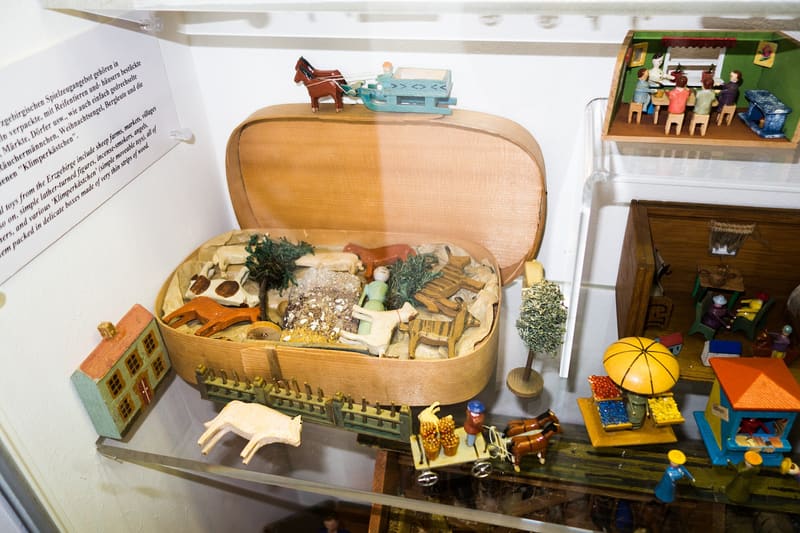
Thomas Quine — CC BY 2.0 — Wikimedia Commons Then: wood, tinplate and lead alloy, with sharp edges and no age labelling. Now: moulded plastic with rounded corners, tested for small parts and flammability, and carrying age warnings. Regulation did almost all of this, and the lead content alone justifies it.
-
Number 4: Packaging
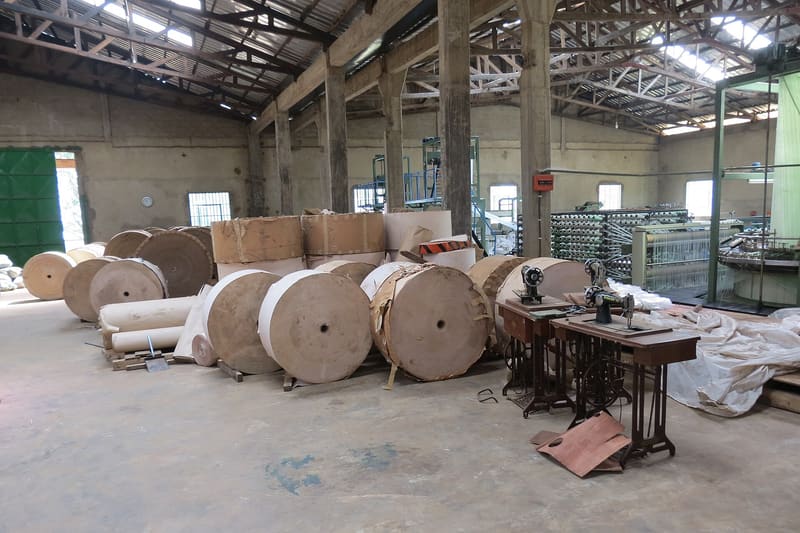
Bdx — CC BY-SA 4.0 — Wikimedia Commons Then: loose goods weighed into paper bags, with returnable glass bottles and tins. Now: pre-packed, portioned and printed with a great deal of legally required information. Self-service retail is the cause — a shop with no counter staff needs the package to do the explaining.
-
Number 3: The light bulb
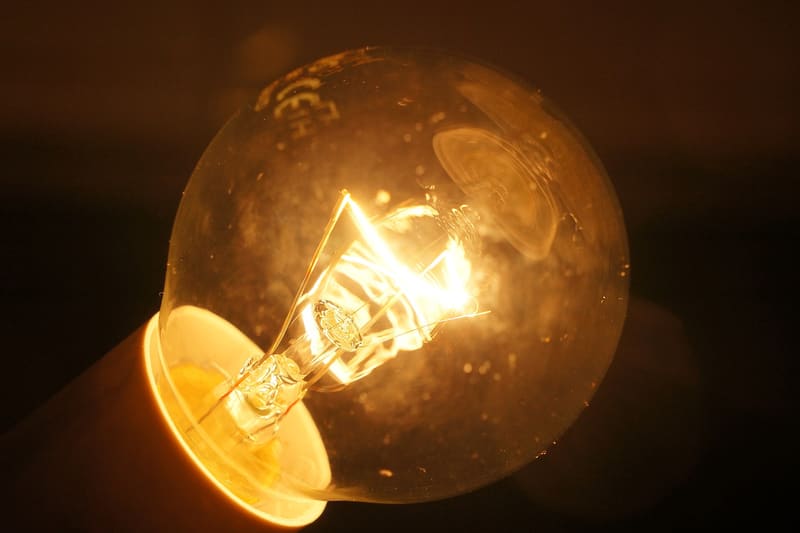
Pixelmaniac pictures ( Leave a reply ) — CC0 — Wikimedia Commons Then: a tungsten filament in a glass envelope, essentially a small heater that also emitted light, lasting around a thousand hours. Now: a light-emitting diode using a fraction of the power and lasting tens of thousands of hours. This is one of the largest efficiency improvements in any household object.
-
Number 2: The car dashboard
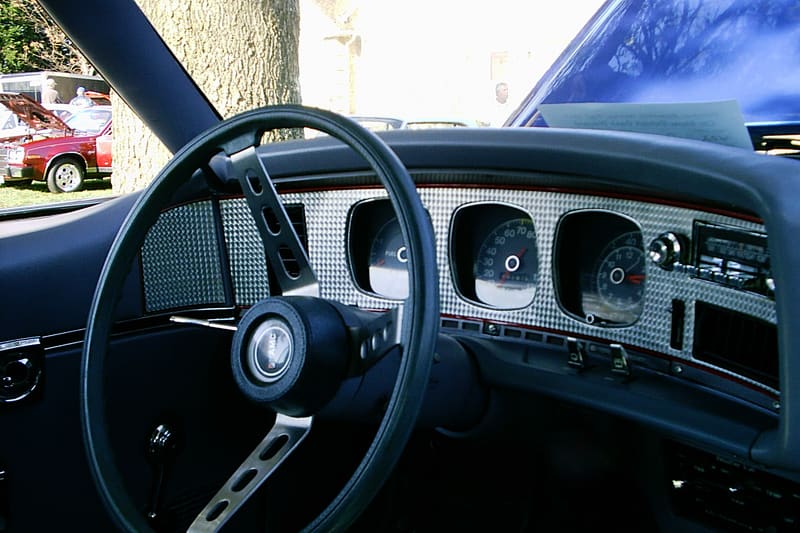
CZmarlin — Christopher Ziemnowicz, releases all rights but a photo — Public domain — Wikimedia Commons Then: a speedometer, an ammeter, a fuel gauge and a choke. Now: a screen. The number of things a driver is expected to monitor has gone up enormously and the number of physical controls has gone down, which is a live argument in vehicle design.
-
And the strangest one of the lot
Number 1: The repair manual
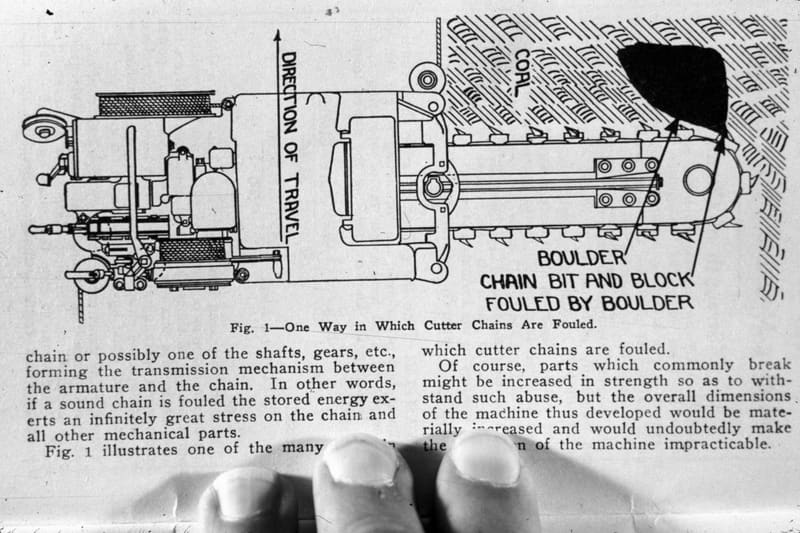
Sullivan Machinery Company — Public domain — Wikimedia Commons This is the object that best captures the whole century. In 1925, almost everything sold to a household came with instructions for maintaining it, an exploded diagram and a list of spare parts you could order. Products were expensive relative to income, labour was comparatively cheap, and repair was assumed. Today most household goods come with a safety leaflet and a warning not to open the casing, because the components are cheaper than the labour to replace one, and the design assumes replacement rather than service. Every other change on this list — lighter, cheaper, safer, sealed — follows from that single reversal in the relative cost of things and time.


.jpg)

.jpg)


.jpg)
.JPG)


Right to repair legislation in several countries is now pushing the other way, which makes this the first decade in a century where the trend might reverse.
Where this came from
- Design and manufacturing collections — Victoria and Albert Museum
- Domestic technology collections — Science Museum Group
- Product safety standards history — British Standards Institution

Read next
 Countdown
 Fifteen Objects That Were in Every House and Are Now in Almost None
Not antiques. Ordinary things, so common that nobody photographed them, which is exactly why they are so hard to picture now.
 Then & Now
 Ten Everyday Objects That Changed Shape for a Specific Reason
Plug pins, bottle bases, milk cartons and the humble pencil. Ten familiar objects whose current shape solves a problem you have probably never noticed.
 Mystery
 The Manuscript Nobody Has Ever Read
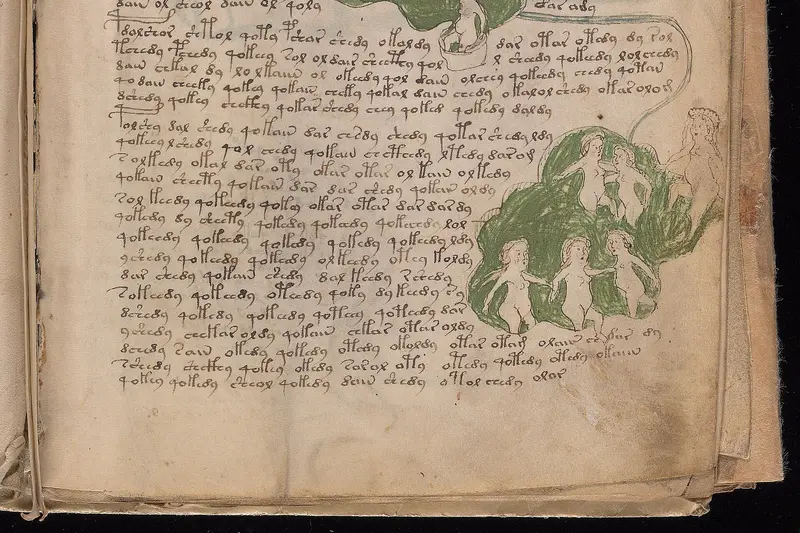
A 240-page medieval book written in an unknown script, illustrated with plants that do not exist. Here is what is actually established about it, and what is not.