
Everyday Objects: Then & Now Then & Now
Ten Everyday Objects That Changed Shape for a Specific Reason
Plug pins, bottle bases, milk cartons and the humble pencil. Ten familiar objects whose current shape solves a problem you have probably never noticed.

Almost every detail on a mass-produced object is there because somebody argued for it, usually on cost, safety or manufacturing grounds.
That makes ordinary objects unusually readable. The shape of a bottle, a pencil or a plug is a record of constraints, and the constraints are often no longer relevant.
Ten of them below, counting up to the reason so many outlive their purpose.
-
Number 10: The hole in a pen lid
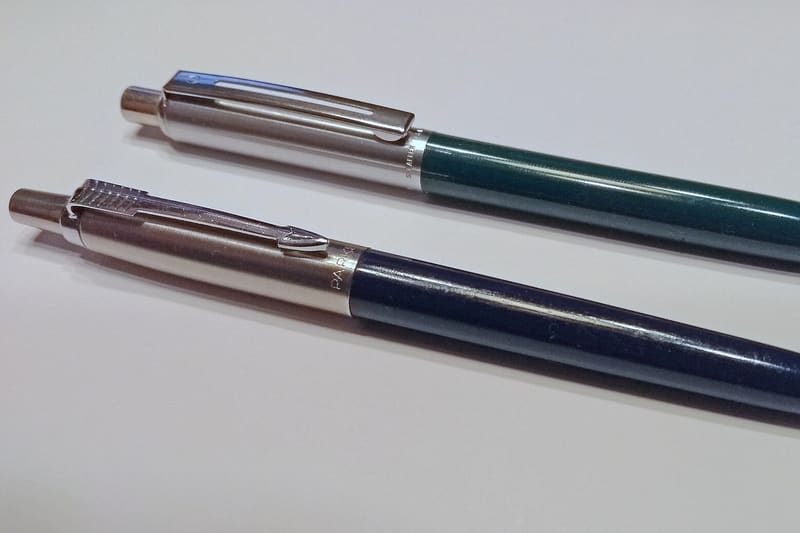
Francis Flinch — CC0 — Wikimedia Commons Widely reported as a safety feature: if a cap is swallowed, a hole reduces the risk of a complete airway blockage. Manufacturers have adopted vented caps and there are standards covering cap design for this reason, and it is one of the better-known examples of a safety requirement shaping an everyday object.
-
Number 9: The dimple in the base of a wine bottle
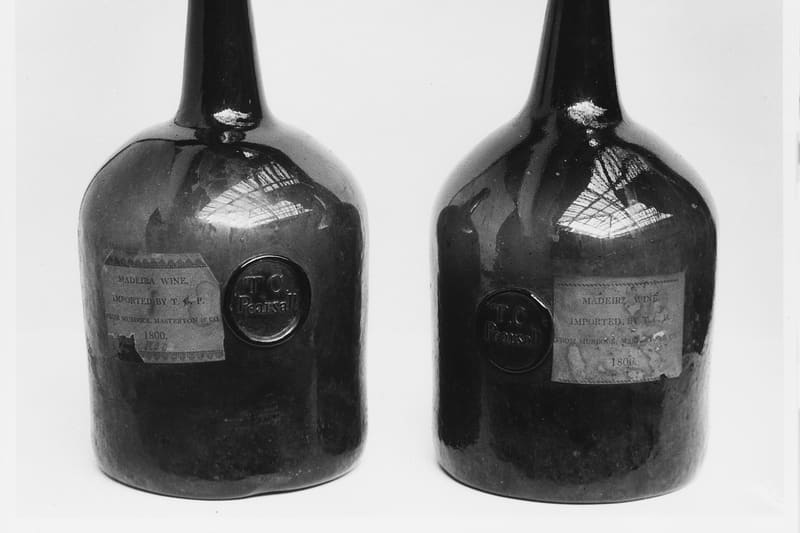
Creator unknown — CC0 — Wikimedia Commons Known as the punt. Explanations include strengthening the base against internal pressure, providing stability, making the bottle easier to hold when pouring, and collecting sediment. It also descends from how glass bottles were originally made by hand, where a pushed-up base ensured the seam did not sit flat on a table.
-
Number 8: The flat bottom of a soft drink can, with a domed inside
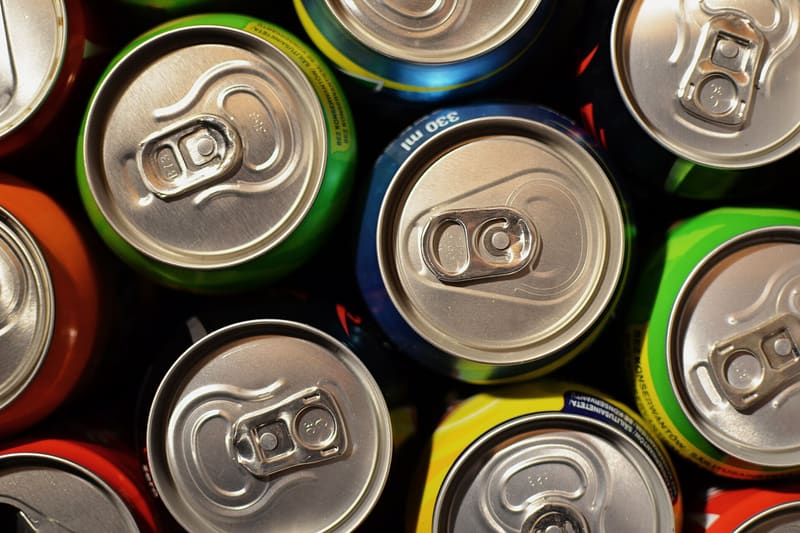
www.Pixel.la Free Stock Photos — CC0 — Wikimedia Commons The concave base resists the internal pressure of a carbonated drink far better than a flat one would, using less aluminium. The same shape used the other way up would deform.
-
Number 7: The holes in the tops of British plug pins
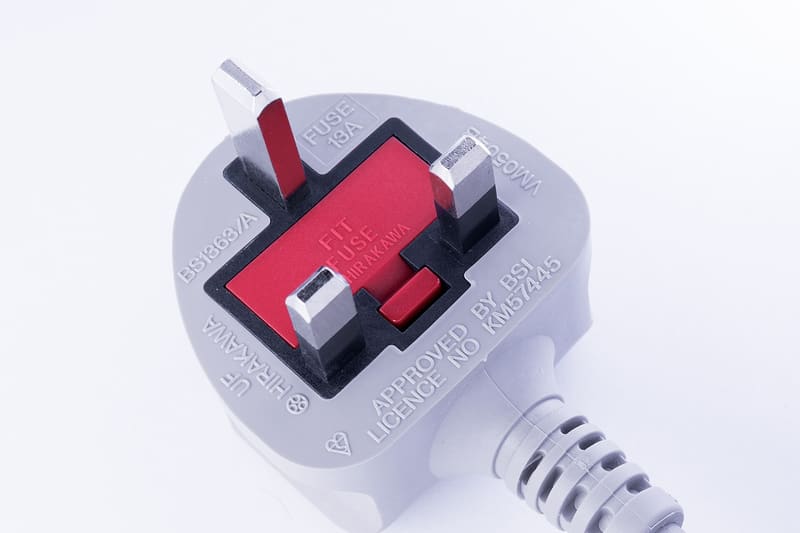
Asim18 — CC BY-SA 4.0 — Wikimedia Commons Historically they engaged with a mechanism inside the socket, and in some designs they allowed shutters to be locked or a pin to be secured. Modern sockets often do not require them, but the pins are still manufactured to the same standard.
-
Number 6: The hexagonal pencil
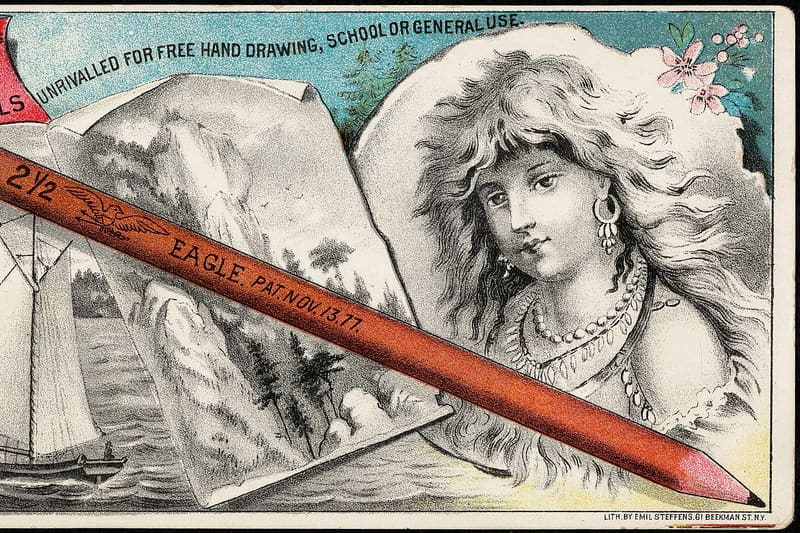
Creator unknown — Public domain — Wikimedia Commons It does not roll off a desk, it is easier to grip than a round one, and it is more economical to cut from a block of wood than a round pencil with the same graphite core. Three separate advantages, one shape.
-
Number 5: The ridges around the edge of a coin
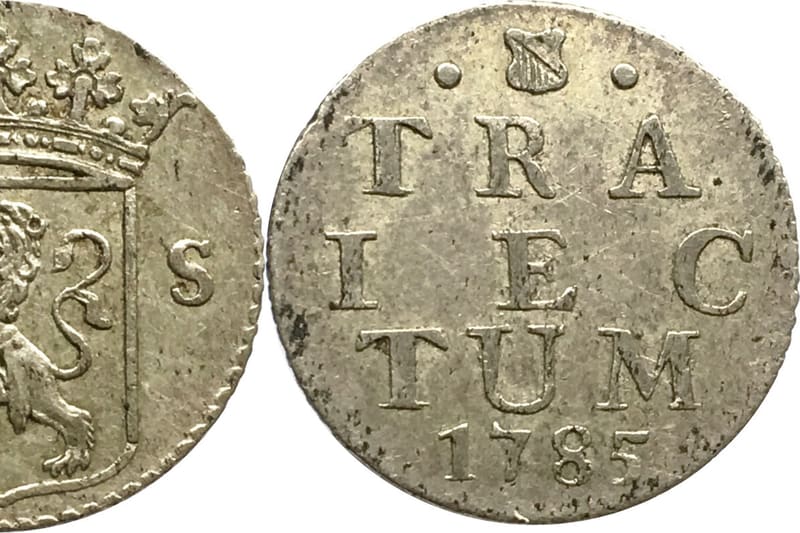
The government of the Lordship of Utrecht, Republic of the 7 (seven) — Public domain — Wikimedia Commons Called milling or reeding, and originally introduced to prevent clipping — shaving small amounts of precious metal from the edges of coins. The practice stopped being relevant once coins were no longer made of valuable metal, but the ridges remained, and are now useful for identification by touch.
-
Number 4: The gabled top of a milk carton
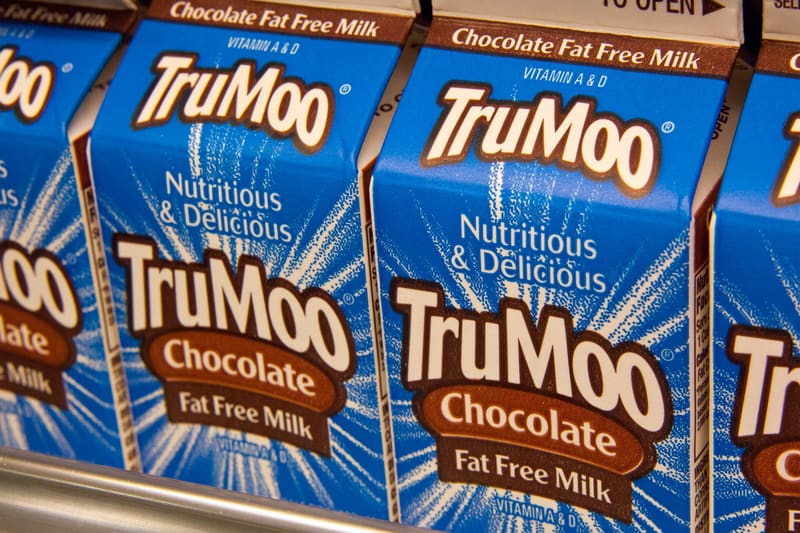
U.S. Department of Agriculture — Public domain — Wikimedia Commons The folded peak allows the carton to be sealed with a continuous fold rather than a separate lid, and it opens into a pouring spout. It is a single piece of coated board doing the work of a container, a closure and a spout.
-
Number 3: The tiny arrow next to the fuel gauge in a car

Illustration: World of Curious A small triangle beside the fuel symbol on many dashboards indicates which side of the vehicle the filler cap is on. It exists because hire cars and unfamiliar vehicles made this a common irritation, and it is one of the cheapest design improvements in the industry.
-
Number 2: The small pocket inside a jeans pocket

Illustration: World of Curious Originally a watch pocket, from the period when a pocket watch on a chain was standard. The watch has gone and the pocket has not, which is a good example of a detail surviving long after its function.
-
And the strangest one of the lot
Number 1: Why so many of these survive after the reason has gone

Illustration: World of Curious There is a pattern running through this list, and it has a name in design and economics: path dependence. Once a shape is standardised, everything else adapts around it — tooling, packaging, shelving, sockets, hands, habits. Changing the shape then requires changing all of those things at once, so the shape persists long after the original justification has disappeared. The watch pocket survives because it costs nothing to sew. Plug pins keep their holes because the standard specifies them. The coin ridges survive because the coins must be distinguishable. In each case the object is now solving a different problem from the one it was designed for, or no problem at all, and it remains because removing it would cost more than keeping it.


.jpg)

.jpg)


The useful question to ask of any object is what problem this shape solves. Occasionally the answer is that it no longer solves one, and that is the most interesting answer of all.
Where this came from
- Design and manufacturing collections — Science Museum Group
- Industrial design collections — Victoria and Albert Museum
- Standards and product design guidance — British Standards Institution
Read next
Ten Everyday Objects, a Century Apart
The same object in 1925 and today, and the specific reason each one changed: new materials, new rules, cheaper manufacturing or a job that disappeared.
 How It Works
 How a Lock Actually Works, and Six Other Mechanisms Worth Knowing
The pin tumbler lock, the zip, the escalator corner, the thermos and the ballpoint pen. Seven everyday mechanisms explained, each with the single clever idea that makes it work.
 Guess It
 What Was This Strange Household Object Actually Used For?
A heavy glass dome with a hole in the top, found in sideboards and attics everywhere. Three plausible answers, and one that is correct.