
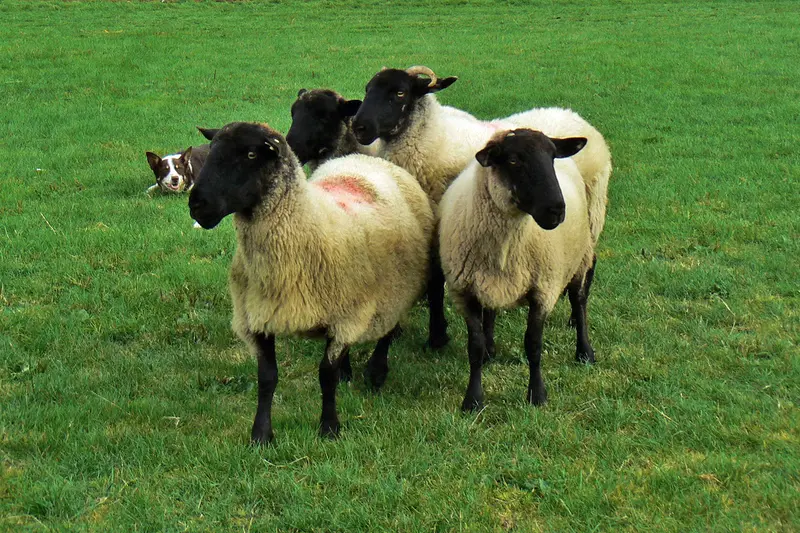
 Countdown
 Dogs
Ten Dog Behaviours Explained by the Job They Were Bred For
Circling before lying down, herding children, digging up the lawn and staring at nothing. Ten everyday dog behaviours traced back to the work the breed was shaped for.
🦜 Section
Animals are the easiest subject in the world to exaggerate, so we try hard not to. You get the behaviour that is actually documented, the breed quizzes that are actually solvable, and the occasional story that is remarkable precisely because it is true.
Countdown Circling before lying down, herding children, digging up the lawn and staring at nothing. Ten everyday dog behaviours traced back to the work the breed was shaped for.
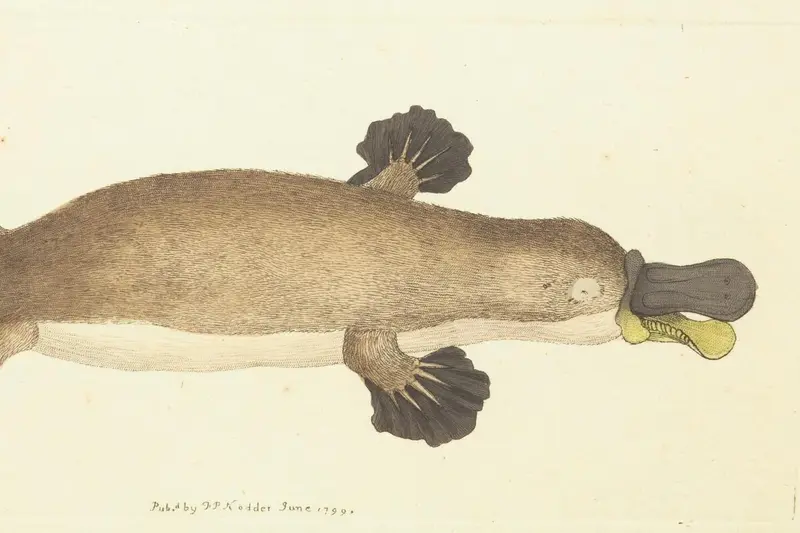 Countdown
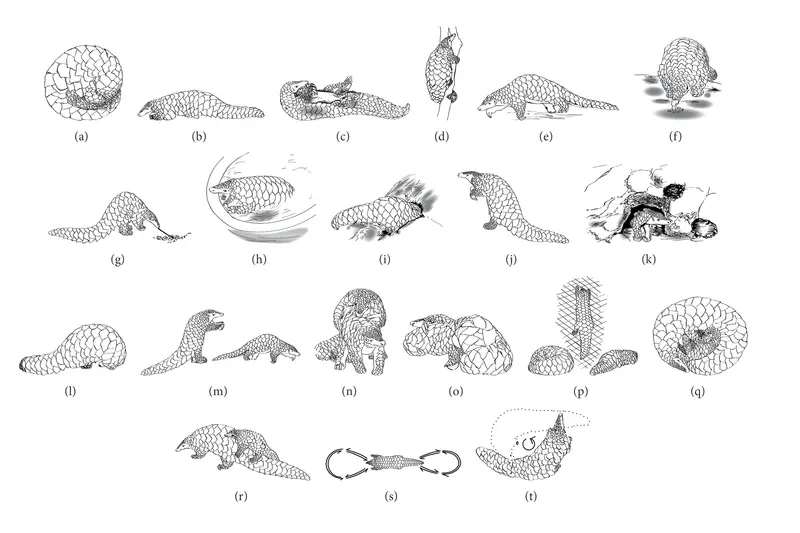
 Venomous, electroreceptive, egg-laying and without a stomach. Ten documented facts about an animal that European scientists initially assumed was a hoax.
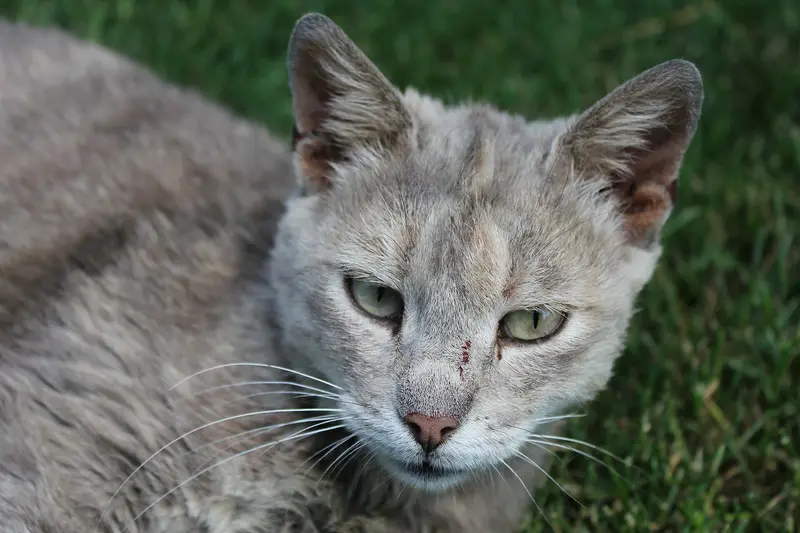 Myth or Fact
 Purring, kneading, slow blinking and the noise aimed only at humans. Nine cat behaviours, separated honestly into the well evidenced and the still uncertain.
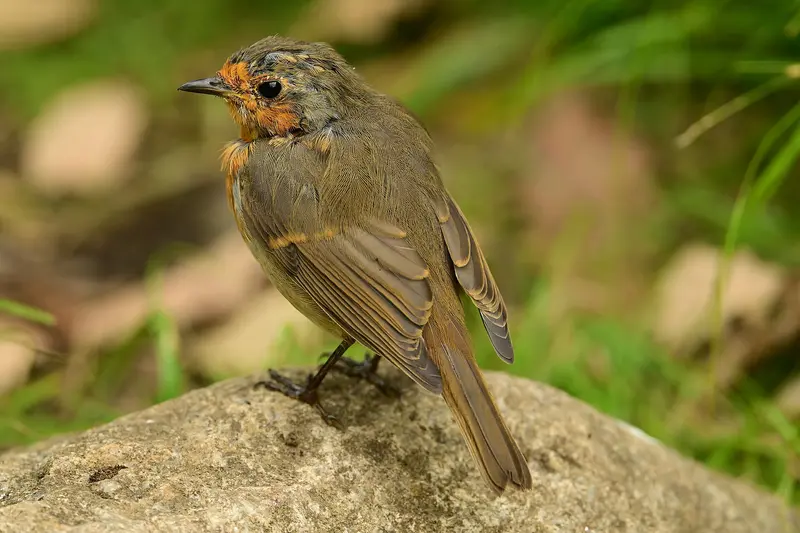 How It Works
 Beginner bird identification without a field guide: the four things to look at, in order, and why colour is the least useful of them.
 Quiz
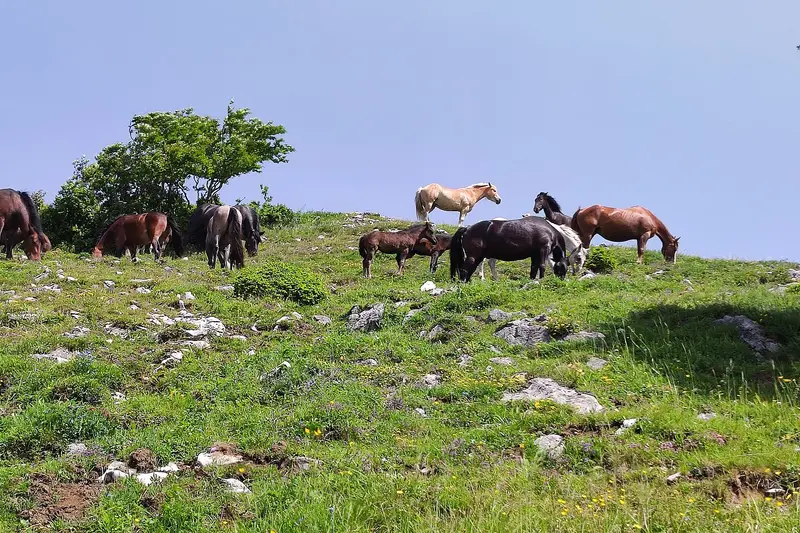
Quiz Horse colour has its own vocabulary, and most of it is counter-intuitive. Eight questions on coats, markings and the terms that trip everyone up.
 Countdown
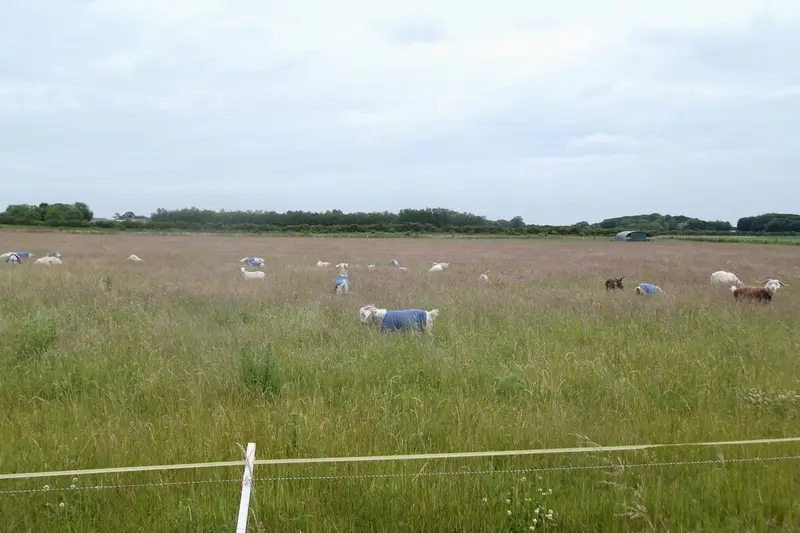
 Regional livestock breeds were nearly wiped out by twentieth-century agriculture. What happened, who saved them, and why the reason they survived is not sentiment.
 Countdown
 Tool use in animals is often overstated. Nine cases with genuine experimental or field evidence, and a note on what each study did and did not show.
 Feature
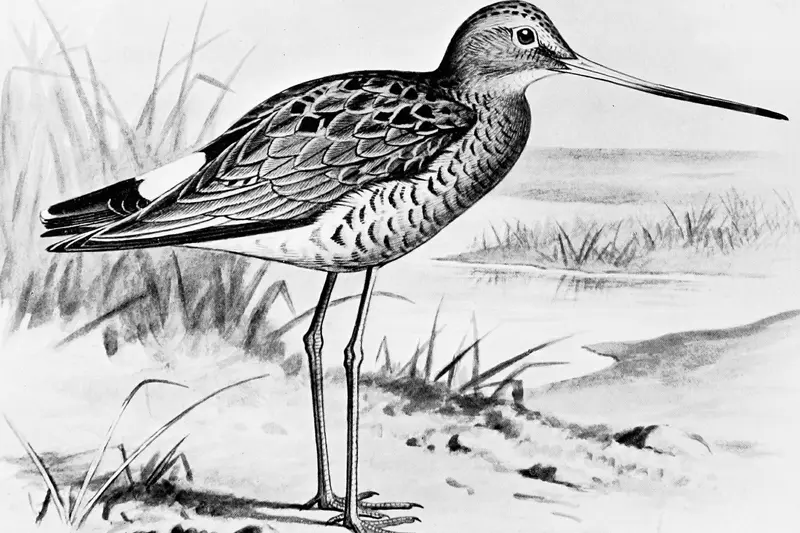
 Tracked migrations, ringed birds and tagged sharks. Eight remarkable animal journeys that were actually measured, plus a famous one that was not.
 Mystery
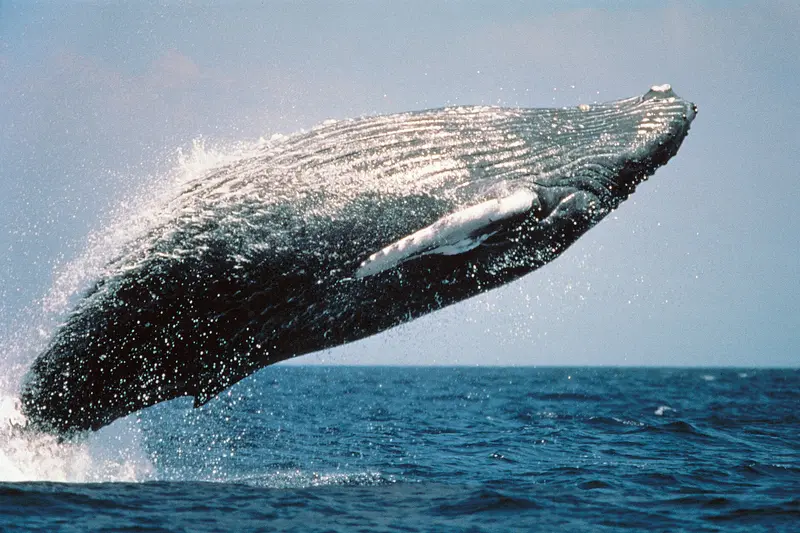
 Genuinely open questions in zoology: whale song, cat purring, magnetic navigation and the mass strandings. What is known, what is guessed, and what is being tested.
 Countdown
 Small, strange and rarely photographed species that never make the documentaries, plus the reason the same few animals always do.