
Farm Animals Countdown
Nine Farm Breeds That Nearly Disappeared, and Why They Came Back
Regional livestock breeds were nearly wiped out by twentieth-century agriculture. What happened, who saved them, and why the reason they survived is not sentiment.

Twentieth-century agriculture got dramatically more productive, and one of the ways it did that was by narrowing down to a small number of highly selected breeds.
The cost was regional diversity. Breeds developed over centuries for particular valleys, soils and climates became uneconomic within a generation, and a substantial number came very close to disappearing entirely.
Nine of them below, counting up to the reason anyone bothered.
-
Number 9: The cattle breeds bred for oxen, not beef
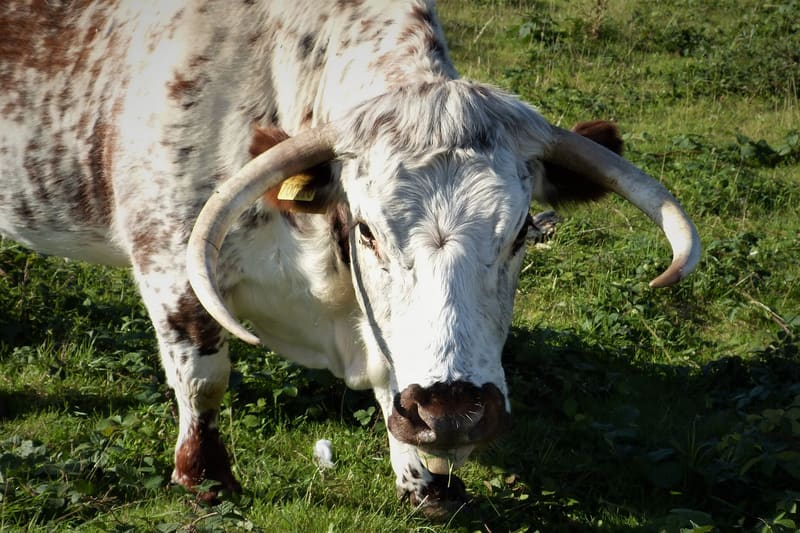
gailhampshire from Cradley, Malvern, U.K — CC BY 2.0 — Wikimedia Commons Several traditional cattle breeds were developed primarily as draught animals, selected for temperament and stamina rather than growth rate. When tractors arrived, the entire purpose of those breeds disappeared within about two decades.
-
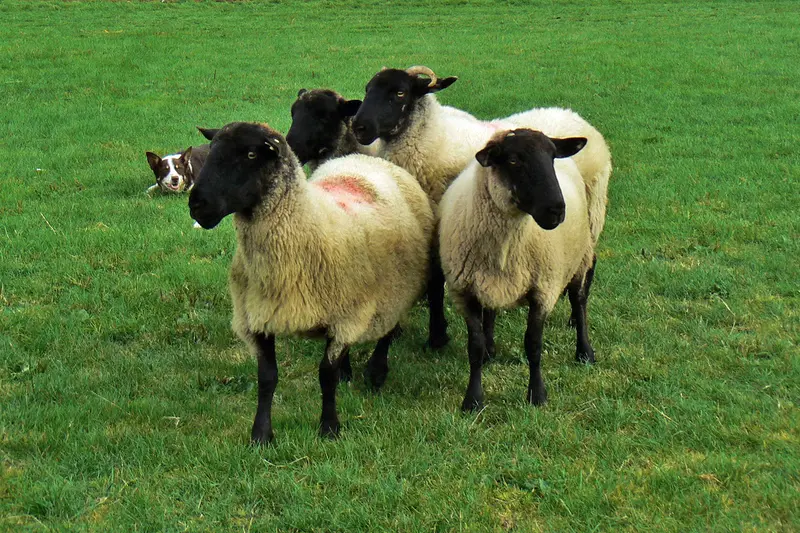
Number 8: The sheep bred for one specific hillside
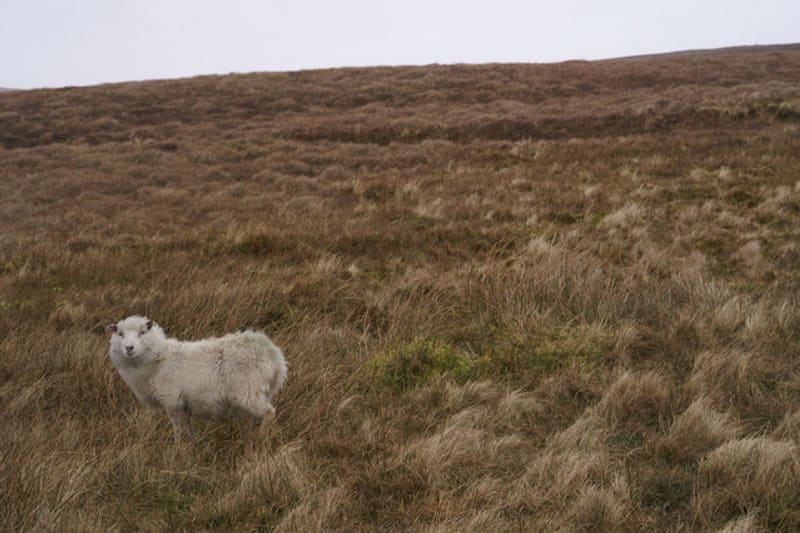
Mike Pennington — CC BY-SA 2.0 — Wikimedia Commons Britain alone has dozens of native sheep breeds, many developed for a particular combination of altitude, rainfall and vegetation. They are hardy in their own conditions and unremarkable elsewhere, which made them very vulnerable when farming consolidated around a handful of commercial breeds.
-
Number 7: The pigs that were too fat for the market
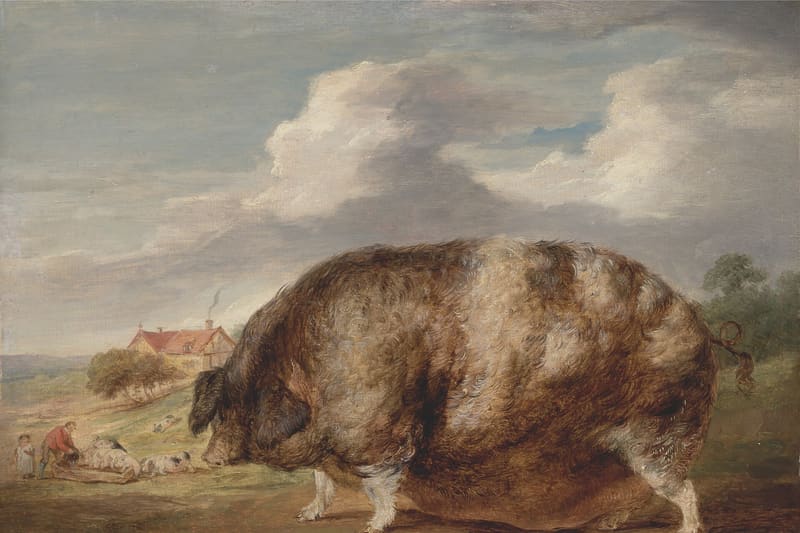
James Ward — Public domain — Wikimedia Commons Traditional pig breeds laid down considerably more fat than modern commercial lines. When consumer demand shifted decisively towards lean meat in the mid-twentieth century, several breeds collapsed in numbers very quickly.
-
Number 6: The poultry kept for eggs and show
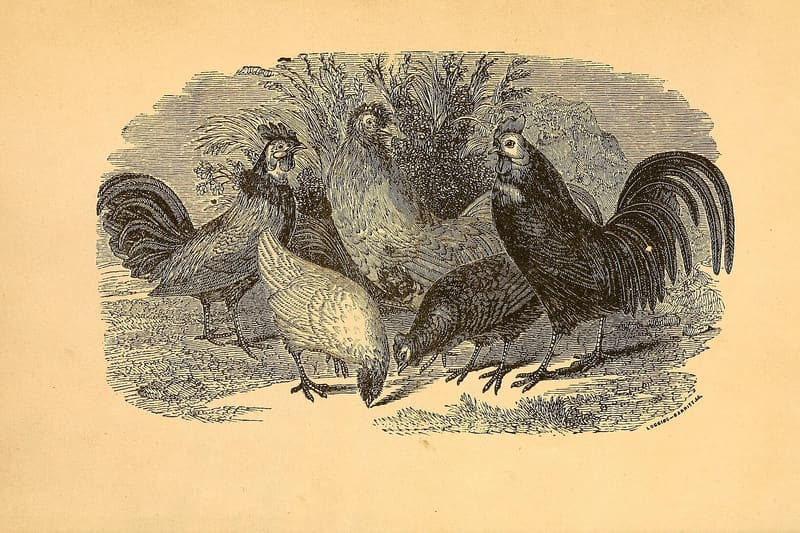
Allen, Samuel.; Browne, D. J — Public domain — Wikimedia Commons Native poultry breeds were largely displaced by commercial hybrids selected intensively for laying or for meat. Many survived only through hobbyists and exhibition breeders, which is a fragile basis for a population.
-
Number 5: The goats nobody could make a case for
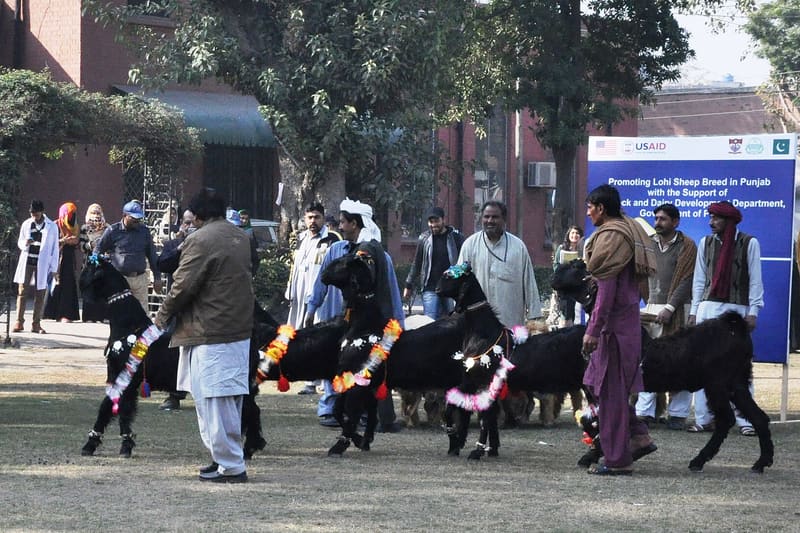
USAID Pakistan — Public domain — Wikimedia Commons Goat breeds have generally had the thinnest margin of all, because commercial goat farming is small in many countries and the breeds have less institutional support behind them.
-
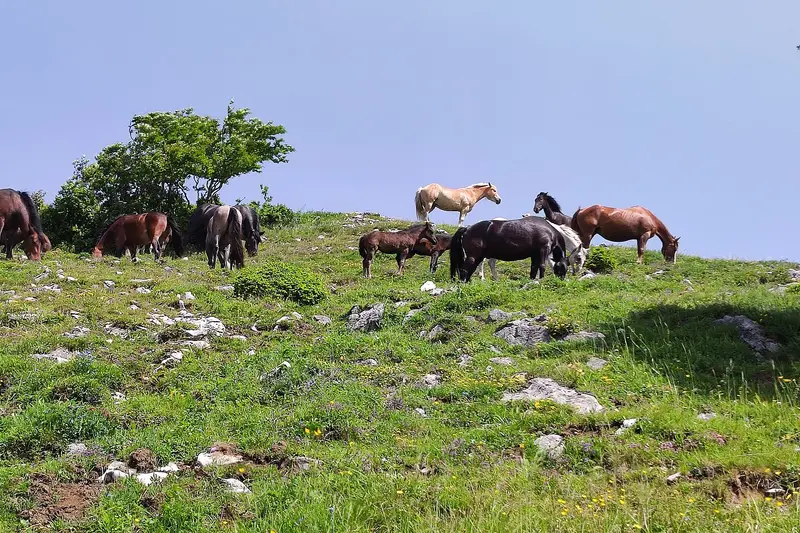
Number 4: The horses that lost their job in a decade
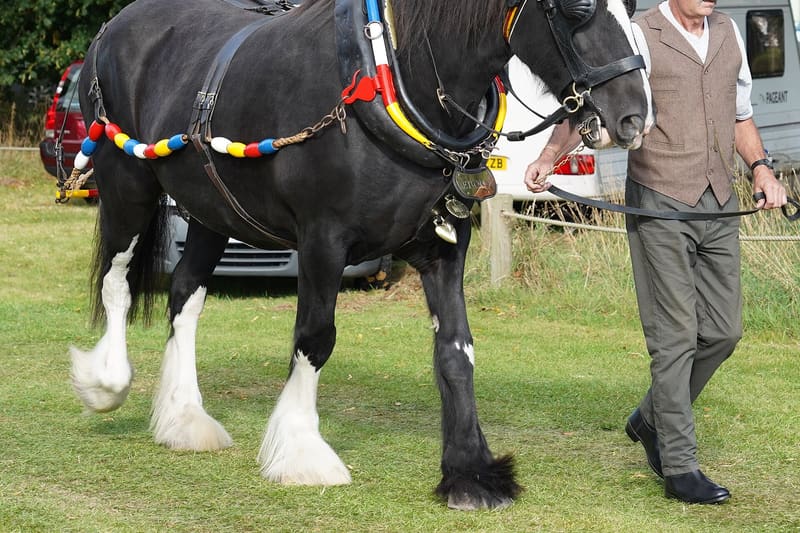
kitmasterbloke — CC BY 2.0 — Wikimedia Commons Heavy horse breeds went from being essential agricultural and haulage infrastructure to near-redundancy within a single generation as tractors and lorries spread. Numbers fell catastrophically in the mid-twentieth century.
-
Number 3: The breed saved by a single herd
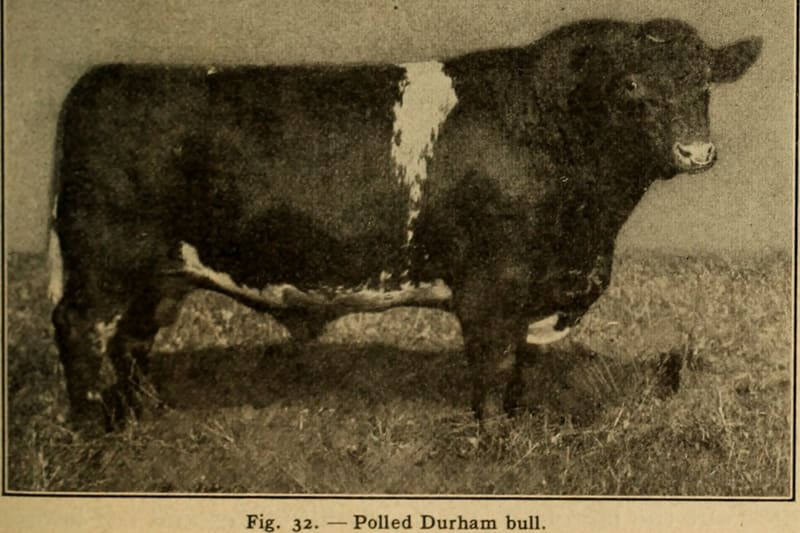
Internet Archive Book Images — No restrictions — Wikimedia Commons A recurring pattern in livestock conservation is that a breed's survival traces back to one or two owners who kept going when there was no economic case. Several breeds now numbering in the thousands descend from a very small number of animals, which creates its own genetic problems.
-
Number 2: The role of semen and embryo banks

SozvezdieL — CC BY 4.0 — Wikimedia Commons Gene banks are now a standard part of conservation. Frozen material from animals that died decades ago can reintroduce genetic diversity into a population that has become too closely related, which is often the binding constraint rather than raw numbers.
-
And the strangest one of the lot
Number 1: The real reason they were saved
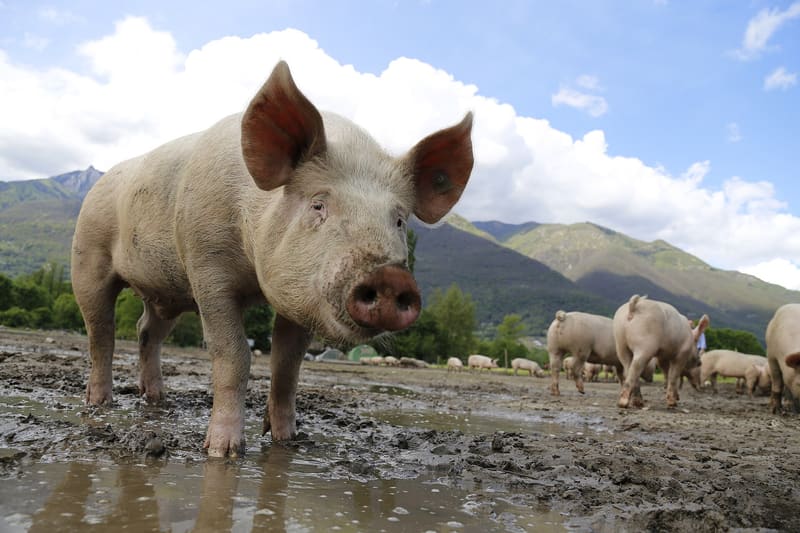
Creator unknown — CC0 — Wikimedia Commons Heritage breed conservation is often presented as nostalgia, and the actual argument is agricultural risk management. A small number of highly selected commercial breeds now account for a very large share of global livestock production, which makes the food system genetically narrow. Traits that look commercially useless today — the ability to thrive on poor forage, to calve unassisted, to resist a particular parasite, to tolerate heat or wet — may be extremely valuable under different conditions, and once a breed is gone those traits cannot be recovered. International agricultural organisations have tracked breed extinction for exactly this reason. The rare breeds movement is, at its core, a seed bank made of animals.


.jpg)


.jpg)

_(18010087879).jpg)


The same argument applies to crops, and considerably more work has been done there. Livestock diversity has always had less funding and more logistics.
Where this came from
- Rare and native livestock breed conservation — Rare Breeds Survival Trust
- Agricultural history and rural life collections — Museum of English Rural Life
- Animal genetic resources for food and agriculture — Food and Agriculture Organization of the United Nations
Read next
 Quiz
Quiz Can You Name These Horse Colours Correctly?
Horse colour has its own vocabulary, and most of it is counter-intuitive. Eight questions on coats, markings and the terms that trip everyone up.
 Countdown
 Ten Facts About the Platypus That Sound Invented
Venomous, electroreceptive, egg-laying and without a stomach. Ten documented facts about an animal that European scientists initially assumed was a hoax.
 Countdown
 Nine Animals That Use Tools, and How We Actually Know
Tool use in animals is often overstated. Nine cases with genuine experimental or field evidence, and a note on what each study did and did not show.