
Dogs Countdown
Ten Dog Behaviours Explained by the Job They Were Bred For
Circling before lying down, herding children, digging up the lawn and staring at nothing. Ten everyday dog behaviours traced back to the work the breed was shaped for.

Most things a dog does that seem inconvenient are not faults. They are job descriptions, several centuries old, running in a house that has none of the original inputs.
Almost every recognised breed was developed to do something specific — move livestock, guard a boundary, retrieve game, go down a hole after an animal, pull a cart, keep a lap warm — and the traits selected for that work do not politely disappear when the work does.
Ten of them, counting up to the one that applies to every dog.
-
Number 10: Circling before lying down
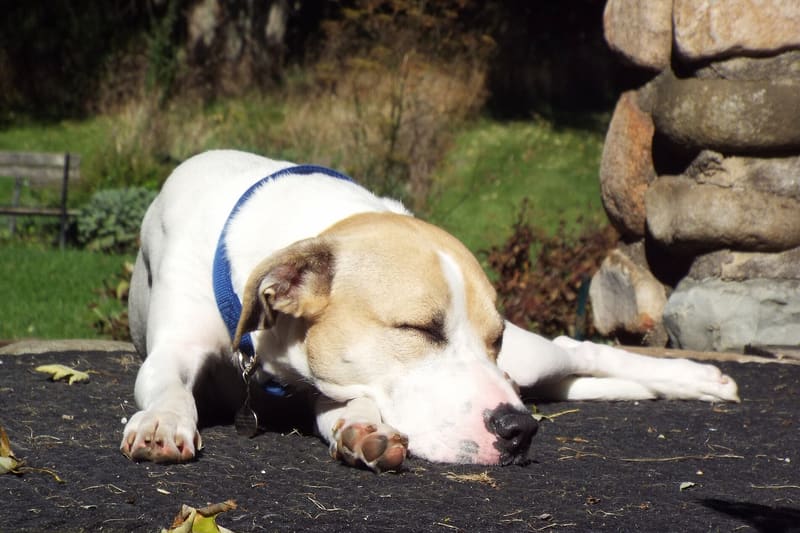
David Whelan — CC0 — Wikimedia Commons Usually explained as flattening vegetation and checking the ground before settling, a behaviour seen in wild canids. It is one of the most persistent inherited routines, and it continues on carpet where there is nothing whatsoever to flatten.
-
Number 9: Herding children and bicycles
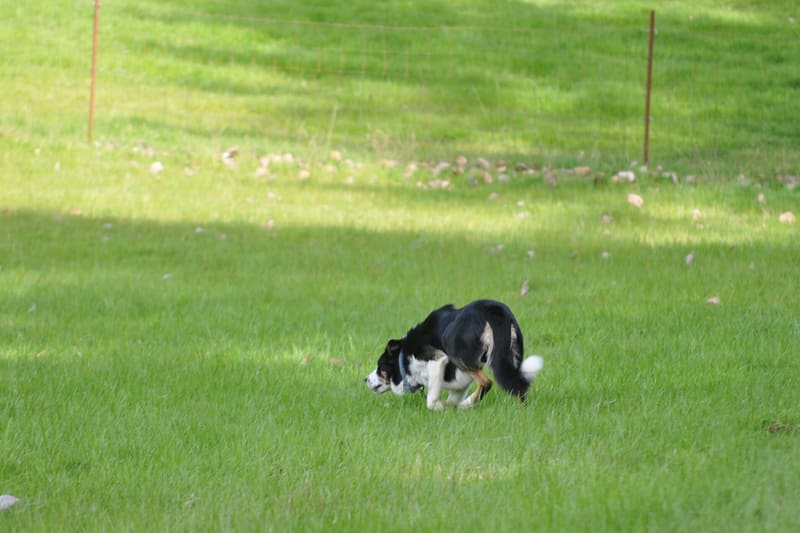
ArbutusRidge — CC BY 2.0 — Wikimedia Commons Collies and other herding breeds were selected for a modified predatory sequence: stalk, stare, chase, but stop short of the grab and kill. In a house with no livestock, the sequence attaches to whatever moves in a group, which is usually children.
-
Number 8: Carrying things gently in the mouth
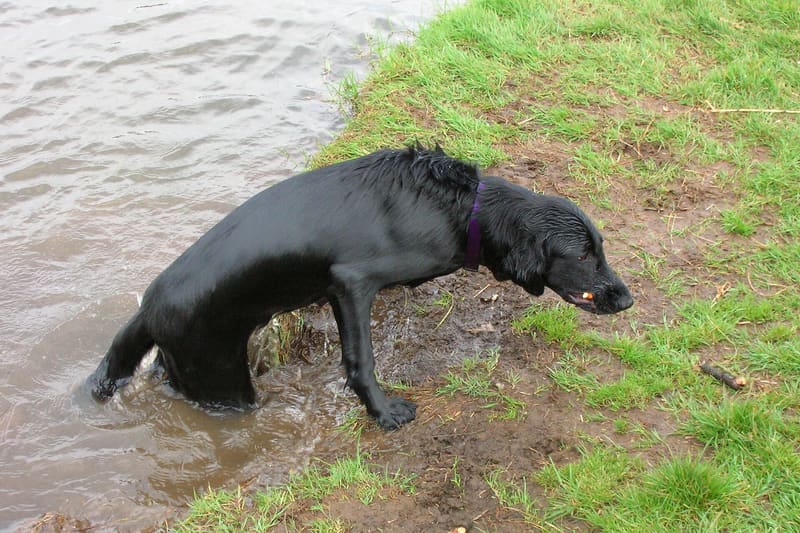
Mike Belch — Public domain — Wikimedia Commons Retrieving breeds were selected for a soft mouth, so that game was brought back undamaged. The same dogs will carry a slipper, a toy or occasionally an egg across a room without marking it.
-
Number 7: Digging in the garden
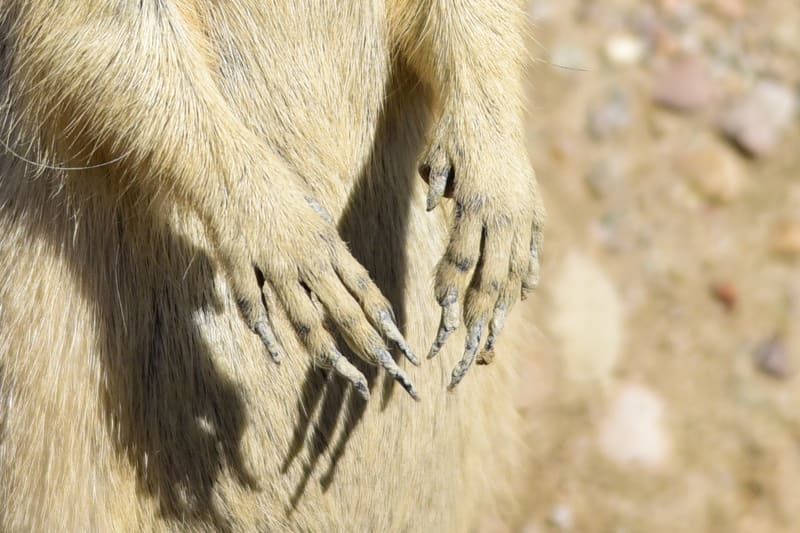
USFWS Mountain Prairie — Public domain — Wikimedia Commons Terriers were developed to go to ground after animals in burrows, which required determination and a great deal of digging. The trait does not switch off because the garden contains only bulbs.
-
Number 6: Following a scent and going completely deaf
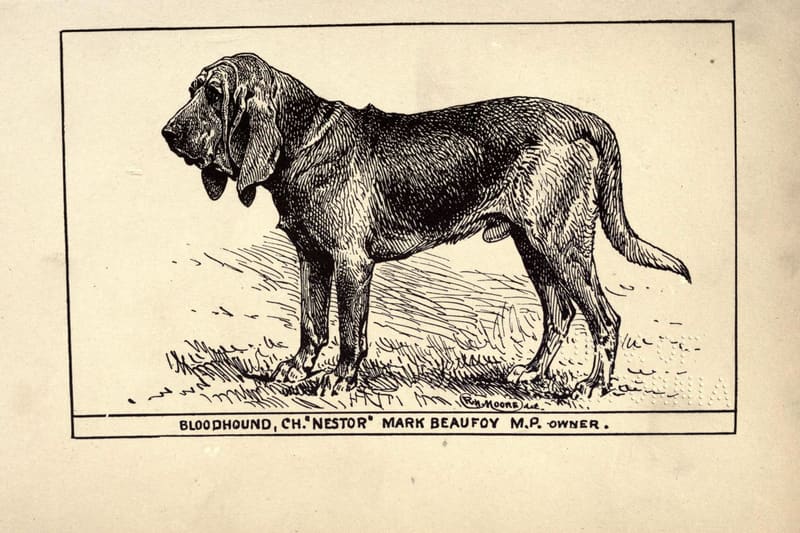
R.H.Moore: All about dogs; a book for doggy people New York,J. Lane,1900 — Public domain — Wikimedia Commons Scent hounds were bred to work at a distance from the handler, following a trail for hours without direction. The apparent disobedience is the trait working exactly as intended.
-
Number 5: Barking at everything that passes
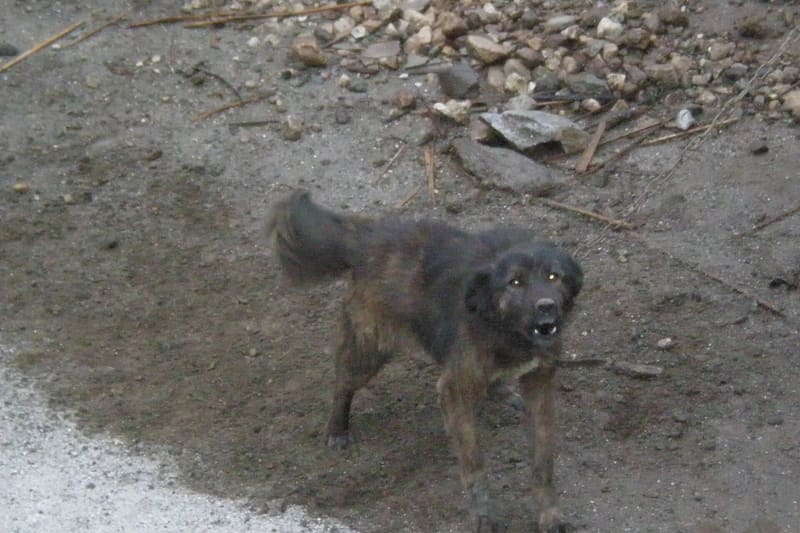
BrokenSphere — CC BY-SA 3.0 — Wikimedia Commons Livestock guardian and watchdog breeds were selected to announce anything approaching. A breed developed to warn a farm is not going to make an exception for the postman.
-
Number 4: Sitting where they can see the whole room
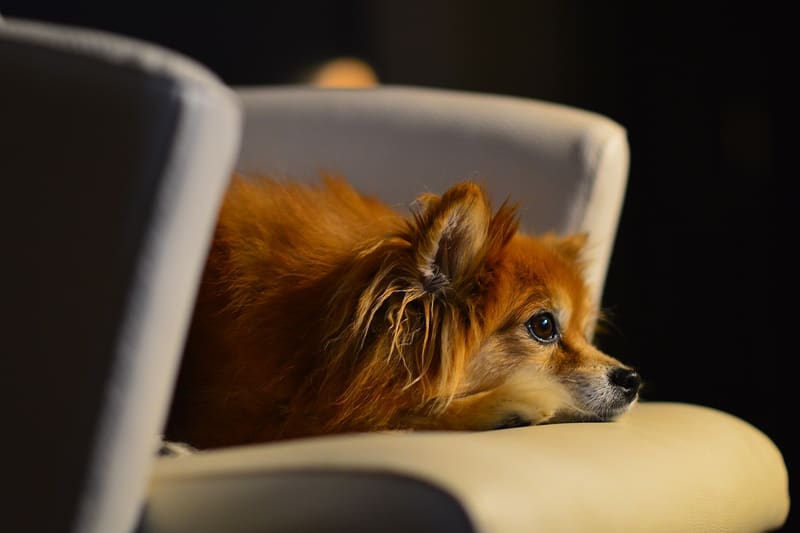
Natalia King from Austin, Texas, United States — CC BY 2.0 — Wikimedia Commons Guarding breeds tend to position themselves at chokepoints — doorways, the top of stairs, the middle of a hallway — which is inconvenient domestically and entirely logical for the original job.
-
Number 3: Nipping at heels
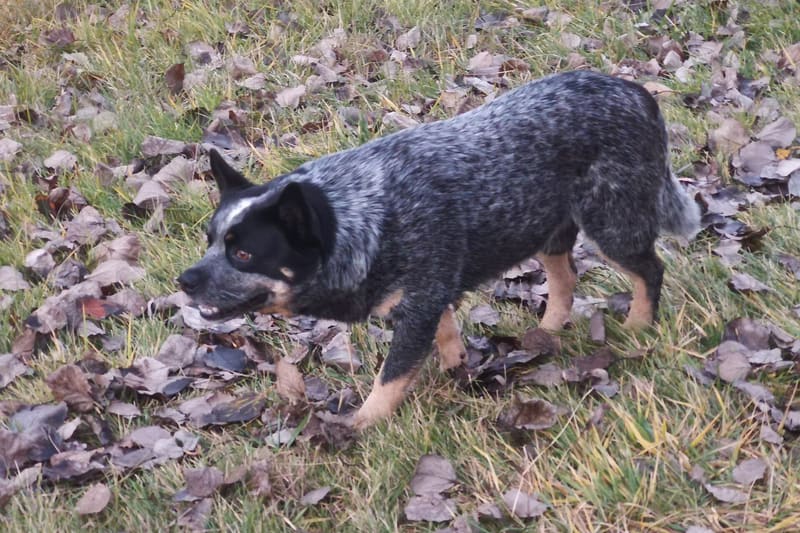
Guilbrynski — CC0 — Wikimedia Commons Several cattle-droving breeds were bred to move animals many times their size by nipping low at the heels and then ducking the kick. The low nip and the duck are often still visible together.
-
Number 2: Refusing to be left alone
Illustration: World of Curious Breeds developed to work in constant close partnership with a handler, rather than independently, tend to find separation harder. It is not a training failure so much as a mismatch between what the dog was shaped for and how modern households live.
-
And the strangest one of the lot
Number 1: Watching your face, constantly
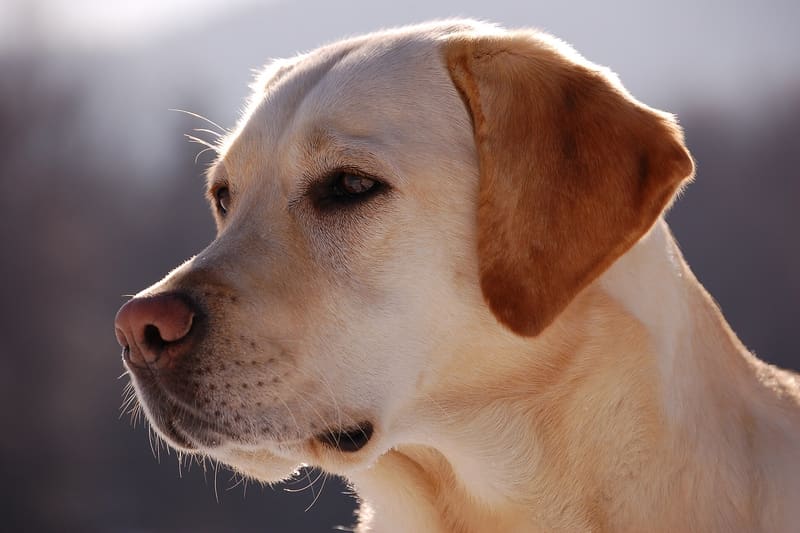
Herwig Kavallar — Public domain — Wikimedia Commons This is the one that underlies all the others. Domestic dogs pay an unusual amount of attention to human faces, follow human pointing gestures, and check in with people when they encounter a problem — behaviours that have been demonstrated in controlled studies and that are markedly weaker in hand-raised wolves. Whatever else a particular breed was selected for, every breed was selected on top of a species already shaped by tens of thousands of years of close attention to us. The specific jobs explain the quirks. The staring explains the dog.


.jpg)


.jpg)


.jpg)


Knowing the original job is the most useful single piece of information about a breed, and it is usually in the name.
Editor's note: This is general interest writing about behaviour, not veterinary advice. A sudden change in your dog's behaviour is worth a conversation with a vet rather than a website.
Where this came from
- Domestic dog behaviour and breed history — Royal Veterinary College
- Working dogs and breed development — Encyclopaedia Britannica
- Animal behaviour research summaries — Natural History Museum
Read next
 Countdown
 Nine Animals That Use Tools, and How We Actually Know
Tool use in animals is often overstated. Nine cases with genuine experimental or field evidence, and a note on what each study did and did not show.
 Countdown
 Nine Farm Breeds That Nearly Disappeared, and Why They Came Back
Regional livestock breeds were nearly wiped out by twentieth-century agriculture. What happened, who saved them, and why the reason they survived is not sentiment.
 Countdown
 Ten Animals You Have Almost Certainly Never Heard Of
Small, strange and rarely photographed species that never make the documentaries, plus the reason the same few animals always do.