
Cute & Unusual Animals Countdown
Ten Animals You Have Almost Certainly Never Heard Of
Small, strange and rarely photographed species that never make the documentaries, plus the reason the same few animals always do.

Most animals are small, and most of them have no public profile whatsoever.
That is not a comment on their interest. It is a comment on what gets filmed, and the filter is far more severe than people realise.
Ten of them below, counting up to the reason you have not met them before.
-
Number 10: The sengi, or elephant shrew
Salwa Farwaneh Dameh — CC0 — Wikimedia Commons Small, long-nosed African mammals that look like mice with trunks. Despite the name, they are not shrews: genetic work placed them in the group that also contains elephants, aardvarks and manatees. Some species maintain networks of cleared trails and patrol them.
-
Number 9: The olm
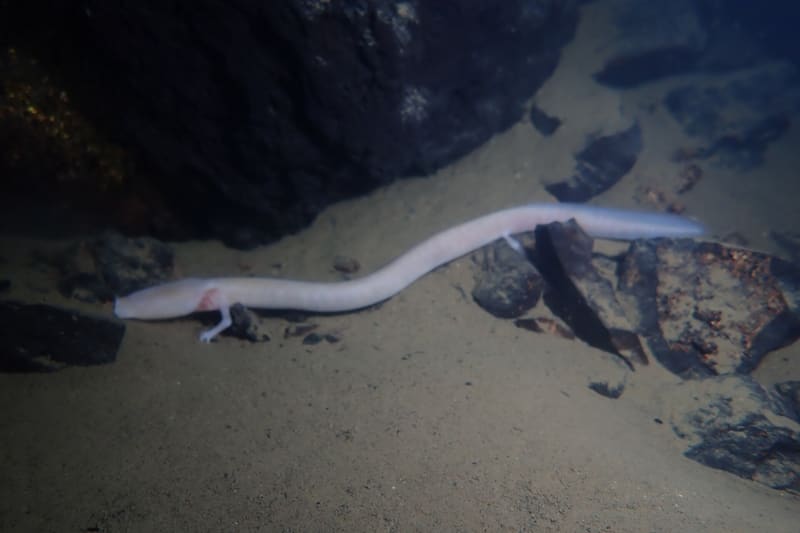
Julien Renoult — CC BY 4.0 — Wikimedia Commons A pale, blind, aquatic salamander living in caves in south-eastern Europe. It can survive extremely long periods without food, has a lifespan measured in decades, and retains larval features throughout life. Local folklore once held that they were baby dragons washed out of the caves.
-
Number 8: The tardigrade
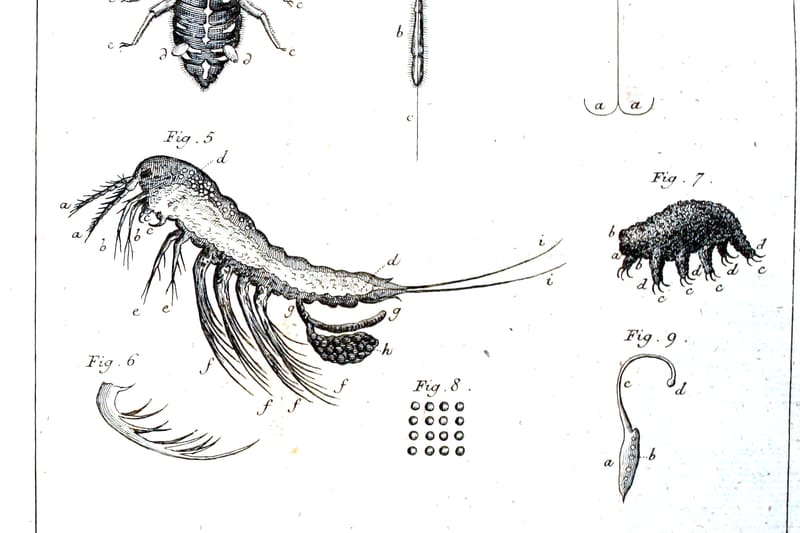
J A E Goeze — Public domain — Wikimedia Commons Microscopic animals, often called water bears, found in moss, soil and sediment almost everywhere. They survive drying out by suspending their metabolism, and in that state have withstood extremes of temperature, pressure and radiation in experiments.
-
Number 7: The pangolin
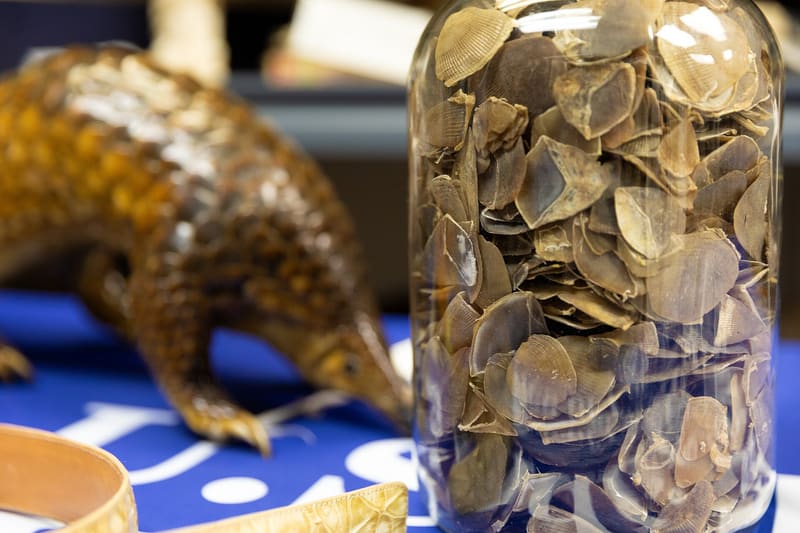
USFWS Headquarters — Public domain — Wikimedia Commons The only mammals covered in keratin scales, which they use as armour by rolling into a ball. They eat ants and termites and have no teeth. They are among the most heavily trafficked wild mammals in the world, which is the main reason they now appear in the news at all.
-
Number 6: The aye-aye
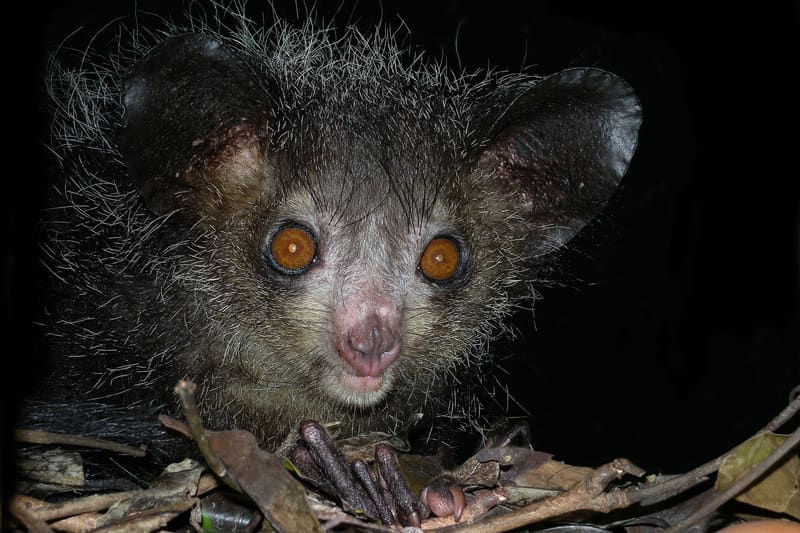
Frank Vassen from Brussels, Belgium — CC BY 2.0 — Wikimedia Commons A nocturnal lemur with an elongated, thin middle finger used to tap on wood, listen for cavities and extract grubs. It occupies an ecological role filled elsewhere by woodpeckers, and it is one of the clearest examples of convergent problem-solving in evolution.
-
Number 5: The maned wolf
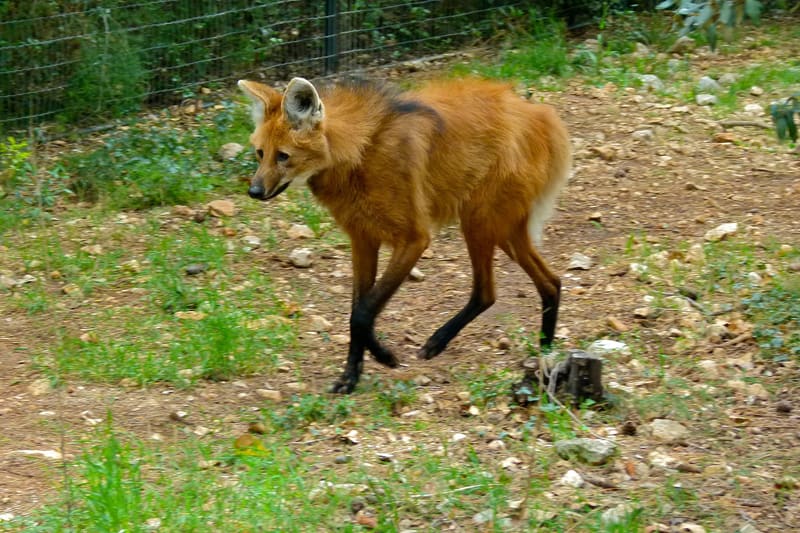
Bernard DUPONT from FRANCE — CC BY-SA 2.0 — Wikimedia Commons Neither a wolf nor a fox, and not closely related to either. A tall, long-legged South American canid adapted for seeing over tall grassland, with a diet that includes a substantial amount of fruit.
-
Number 4: The tuatara
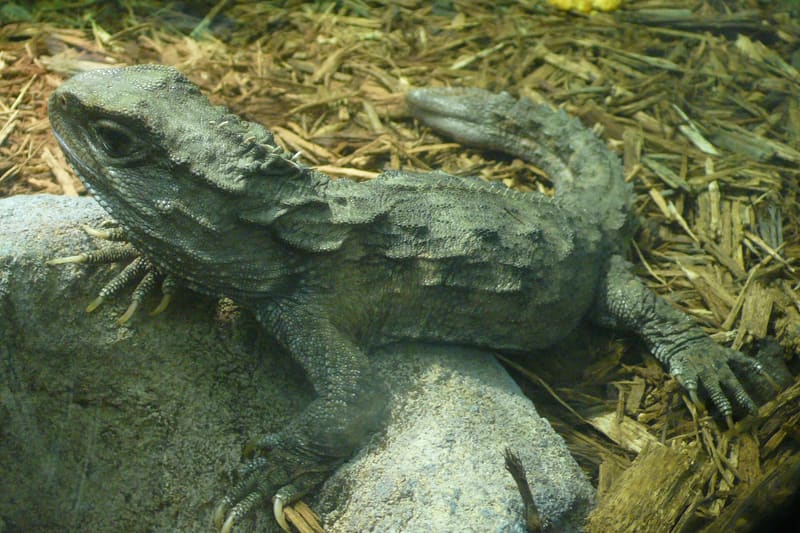
TimVickers — Public domain — Wikimedia Commons A reptile found only in New Zealand and the sole survivor of an order that otherwise died out long ago. It is not a lizard, despite appearances, and it is notable for an extremely slow metabolism and a very long lifespan.
-
Number 3: The saiga antelope
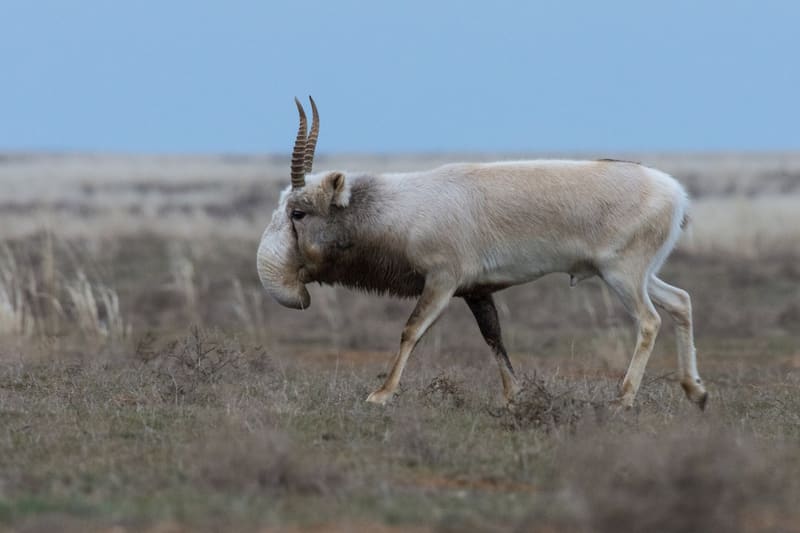
Лариса Артемьева — CC0 — Wikimedia Commons A steppe antelope with a distinctive inflatable nose that filters dust and warms cold air. Populations have fluctuated dramatically, including a mass die-off in 2015 attributed to a bacterial infection triggered by unusual weather conditions.
-
Number 2: The shoebill
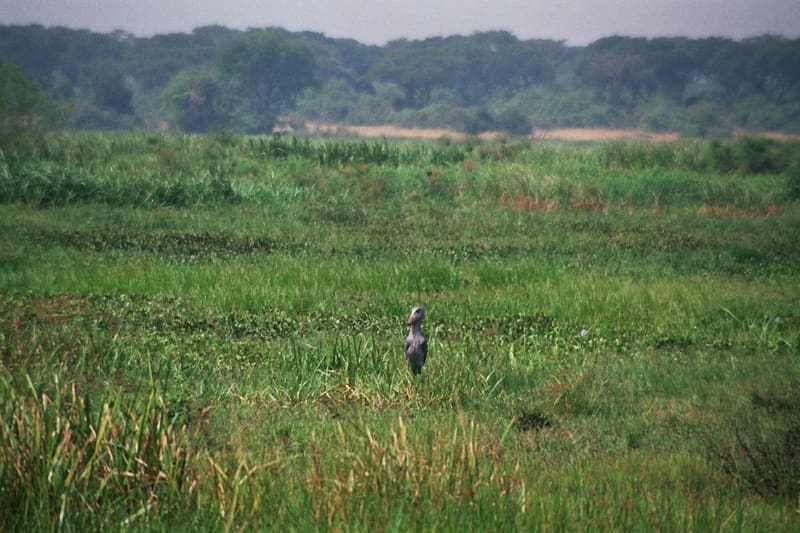
Lestari — CC BY-SA 3.0 — Wikimedia Commons A very large African bird with an enormous clog-shaped bill, known for standing almost motionless for long periods while hunting. It has an unusual habit of clattering its bill loudly, which is used in greeting displays.
-
And the strangest one of the lot
Number 1: Why it is always the same twenty animals
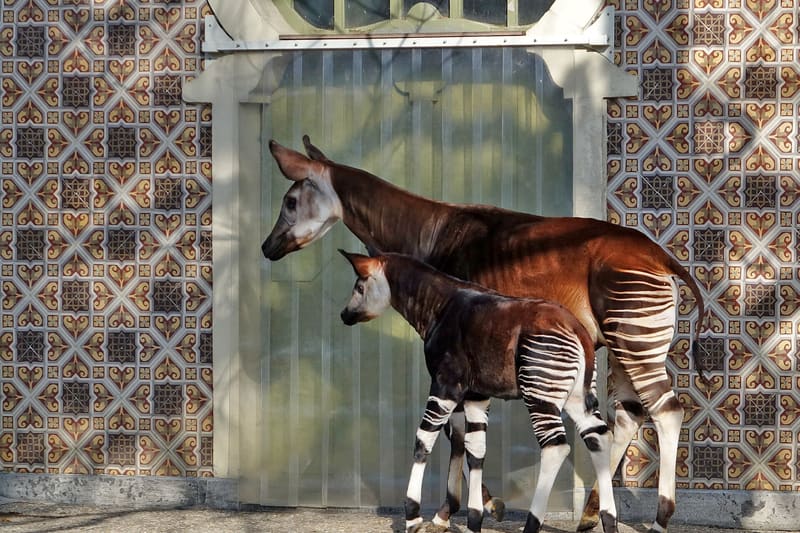
Alan Eng from Brussels, Belgium — CC BY 2.0 — Wikimedia Commons There is a reason you have heard of lions and not sengis, and it is mostly about filming. Wildlife documentaries need animals that are large enough to film at distance, active during daylight, present in predictable places, tolerant of vehicles, and doing something visually dramatic. That filter removes the overwhelming majority of species immediately: most animals are small, most are nocturnal, most are cryptic, and most spend their time doing things that do not read on camera. The result is a public picture of the animal kingdom weighted almost entirely towards large diurnal mammals on open plains, which is a tiny and unrepresentative slice of it. Better low-light cameras and remote sensors are changing this, and a noticeable amount of recent behavioural research involves species nobody could previously film at all.


.jpg)
,_Tsimbazaza_Zoo,_Madagascar_(3897947810).jpg)
_(6978551408).jpg)
.jpg)


If you want a genuinely good measure of how much is out there, consider that new species are still described at a rate of many thousands a year.
Where this came from
- Species collections and research — Natural History Museum
- Species profiles and conservation status — International Union for Conservation of Nature
- Zoology reference — Encyclopaedia Britannica
Read next
 Countdown
 Ten Animal Facts That Sound Completely Invented
Ten documented pieces of animal biology and behaviour that read like a wind-up, with the sources attached and the shaky ones left out.
 Countdown
 Ten Facts About the Platypus That Sound Invented
Venomous, electroreceptive, egg-laying and without a stomach. Ten documented facts about an animal that European scientists initially assumed was a hoax.
 Countdown
 Nine Deep-Sea Creatures That Barely Look Real
The deep ocean is the largest habitat on Earth and the least visited. Nine of its residents, and the specific problem each one has evolved to solve.