Mystery The Giant Stone Spheres of Costa Rica Nobody Can Fully Explain
More than 400 carved stone balls, some weighing 26 tonnes, made by hand over a thousand years ago. We know who made them and roughly how. Nobody can say why.
🏛️ Section
History is more interesting when it stays honest about what we do not know. These pieces separate the documented from the disputed, label reconstructions as reconstructions, and never dress an illustration up as an archival photograph.
Mystery More than 400 carved stone balls, some weighing 26 tonnes, made by hand over a thousand years ago. We know who made them and roughly how. Nobody can say why.

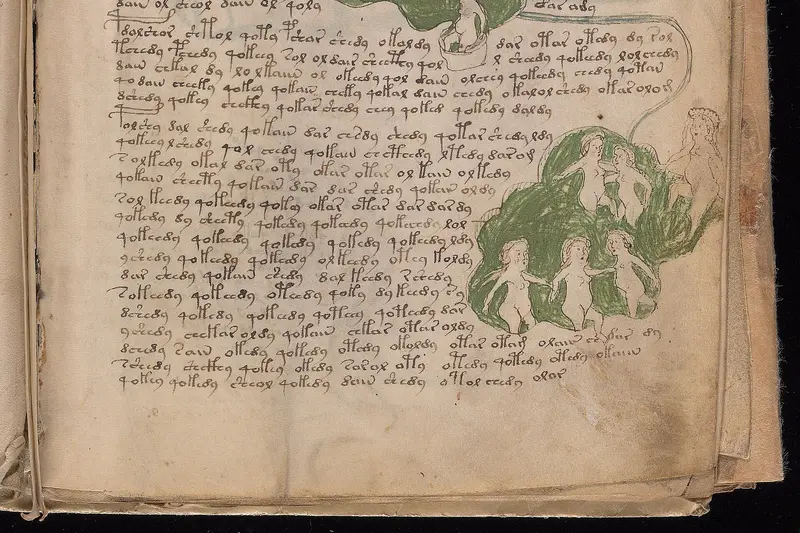
Mystery A 240-page medieval book written in an unknown script, illustrated with plants that do not exist. Here is what is actually established about it, and what is not.
Myth or Fact Slaves, aliens, mummy curses and the cat that was worshipped. Eight widely repeated claims about ancient Egypt, checked against the evidence.
How It Works A practical method for working out when a family photograph was taken, using the process, the mount, the clothing, the background and the details in the corners.
Countdown Takeaway food, block-of-flats living, graffiti about the neighbours and complaints about the landlord. Ten details of Roman daily life from the surviving evidence.
Countdown Mourning rules, post-mortem photographs, arsenic wallpaper and a bathing machine. Eight Victorian habits, and the entirely logical reasons behind each one.
Myth or Fact Nobody bathed, everyone died at thirty, and the world was grey and filthy. Ten medieval myths, checked against the documentary and archaeological record.
Feature Reservoirs, gunnery ranges, mining subsidence and an emptied valley. Eight places that were cleared on purpose, and what happened to the people who lived there.
Countdown Short-lived states, federations that dissolved and republics that lasted months. Seven examples, and what each one reveals about how borders actually work.
Countdown Sin eaters, waking services, mourning warnings and a professional knocker-up. Nine historical customs, and the practical problem each one solved.
The same object in 1925 and today, and the specific reason each one changed: new materials, new rules, cheaper manufacturing or a job that disappeared.