
Medieval Life Myth or Fact
Ten Things About Medieval Life That Films Get Wrong
Nobody bathed, everyone died at thirty, and the world was grey and filthy. Ten medieval myths, checked against the documentary and archaeological record.

The Middle Ages have a public image assembled almost entirely from films, and it is remarkably consistent: mud, brown clothes, bad teeth, early death and superstition.
The documentary record does not support most of it. Manorial court rolls, wills, inventories, archaeological finds and manuscript illustration give a picture that is more colourful, more regulated and considerably more varied.
Ten of them, counting up to the mistake that makes the rest possible.
-
Number 10: MYTH — Nobody bathed
Illustration: World of Curious Public bathhouses were common in medieval towns, and washing was a normal part of life. Soap was manufactured and traded. Attitudes did shift later, partly in response to disease outbreaks, but the filthy medieval peasant is mostly a Victorian invention repeated by film.
-
Number 9: MYTH — Everyone died at about thirty
Illustration: World of Curious Average life expectancy figures for the period are dragged down enormously by infant and child mortality. Someone who survived to adulthood had a reasonable chance of reaching their sixties. Medieval records are full of people in their seventies and eighties.
-
Number 8: MYTH — Everything was brown and grey
Illustration: World of Curious Dyes were available and used widely: madder for red, woad for blue, weld for yellow. Surviving textiles, manuscript illustrations and painted interiors all show strong colour. The muted palette of screen medievalism is an aesthetic choice, not a historical one.
-
Number 7: FACT — Beer was drunk at breakfast, but not because water was unsafe
Illustration: World of Curious Small beer was a normal part of the diet, including for children, largely because it was nutritious and kept well. The claim that people drank it because all water was dangerous is overstated — medieval sources discuss water quality and people drank water regularly.
-
Number 6: MYTH — Peasants worked every day from dawn to dusk
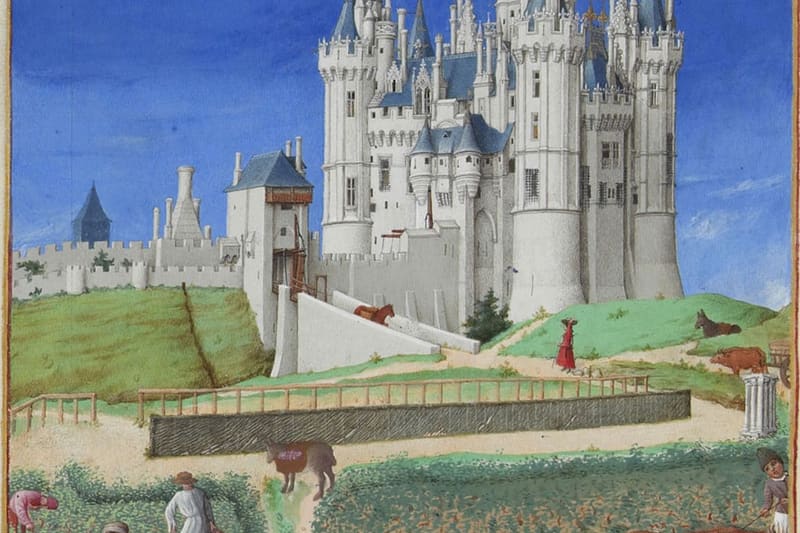
Limbourg brothers / Barthélemy d'Eyck / Jean Colombe — Public domain — Wikimedia Commons The agricultural year had enormous seasonal variation, and the church calendar included a substantial number of feast days on which work was restricted. Harvest was brutal; February was not.
-
Number 5: FACT — The diet included far more vegetables than films suggest
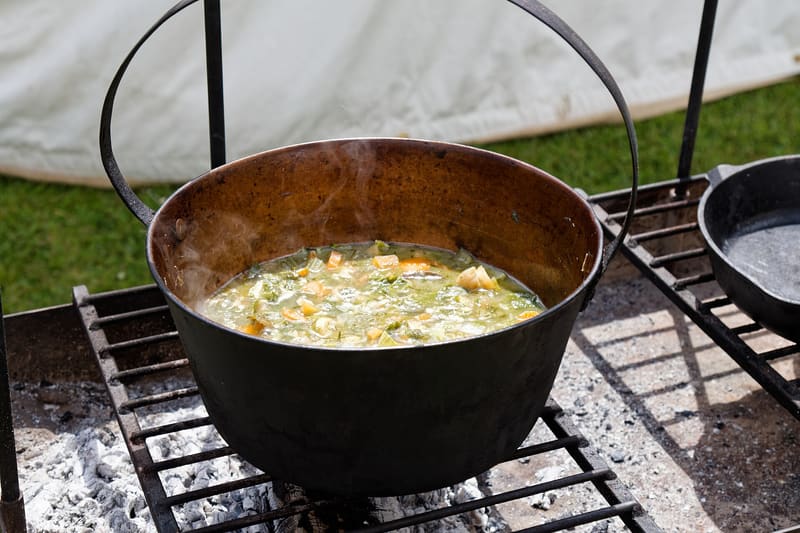
Acabashi — CC BY-SA 4.0 — Wikimedia Commons Pottage — a thick vegetable and grain stew — was the staple, with meat as a supplement rather than the centrepiece for most people. The groaning banquet table belongs to a tiny minority.
-
Number 4: MYTH — Everyone believed the Earth was flat
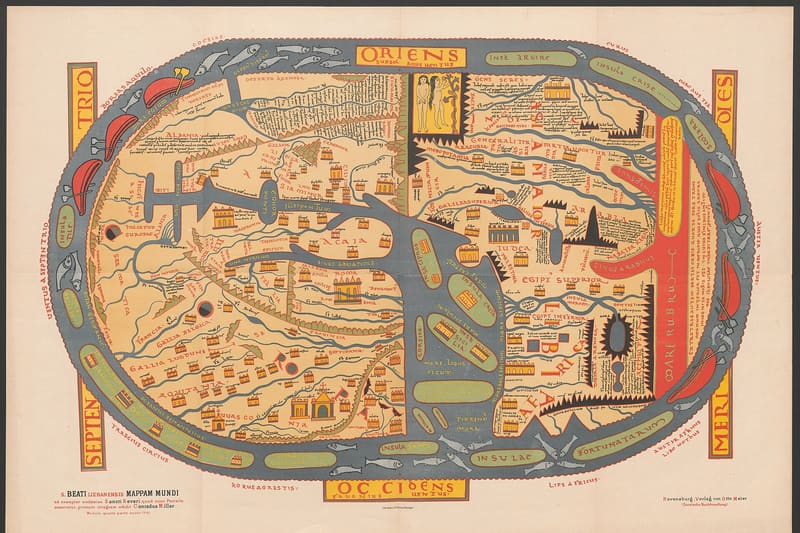
Unknown author Konrad Miller — Public domain — Wikimedia Commons Educated medieval Europeans knew the Earth was a sphere; the point is made explicitly in widely read texts of the period. The flat-earth story about medieval belief was largely popularised in the nineteenth century.
-
Number 3: MYTH — Marriages were arranged for everyone at twelve
Illustration: World of Curious Aristocratic marriages were negotiated, sometimes young, for property and alliance. Ordinary people in much of northern Europe married considerably later, often in their twenties, once they could support a household.
-
Number 2: FACT — Village life was heavily regulated, and the records survive
Illustration: World of Curious Manorial court rolls record fines for letting animals stray, poor ale, blocked ditches and boundary disputes. They are extraordinarily detailed and are one of the best sources for how ordinary people actually lived.
-
And the strangest one of the lot
Number 1: MYTH — The Middle Ages were a single thing
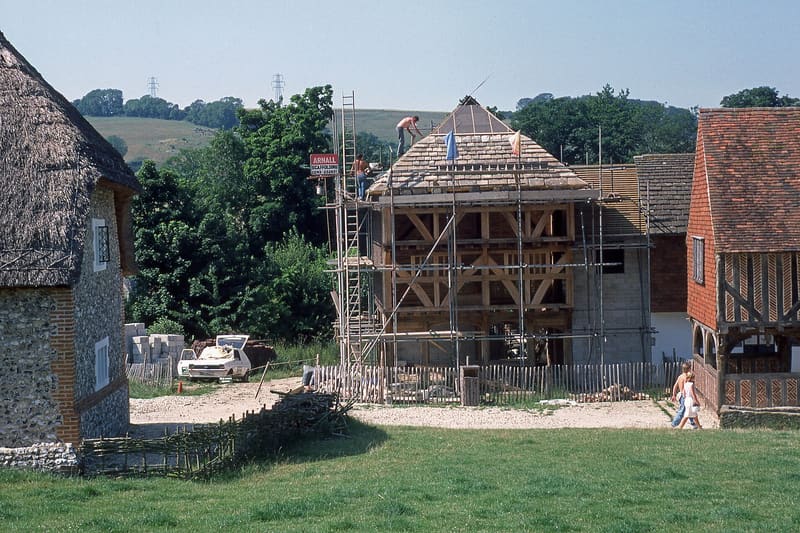
Peter Shimmon — CC BY-SA 2.0 — Wikimedia Commons This is the error underneath all the others. The medieval period as usually defined covers roughly a thousand years and the whole of Europe. A Northumbrian farmer in 700, a Venetian merchant in 1300 and a Flemish weaver in 1450 have about as much in common as a Georgian farmhand has with someone living today. Screen medievalism flattens all of it into one muddy village with one castle, and almost every myth on this list survives because that flattening makes them hard to test. Ask when and where, and most of them fall apart immediately.


_-_geograph.org.uk_-_7784484.jpg)
The best single question to ask of any medieval claim is which century and which region. Very few of the myths survive it.
Where this came from
- Medieval collections and research — The British Library
- Medieval life and material culture — Museum of London
- Medieval history reference — Encyclopaedia Britannica

Read next
 Countdown
 Eight Everyday Victorian Habits That Seem Bizarre Now
Mourning rules, post-mortem photographs, arsenic wallpaper and a bathing machine. Eight Victorian habits, and the entirely logical reasons behind each one.
 Myth or Fact
 Myth or Fact: Eight Things Everyone Says About the Pyramids
Slaves, aliens, mummy curses and the cat that was worshipped. Eight widely repeated claims about ancient Egypt, checked against the evidence.
 Myth or Fact
 Eight Famous Film Production Stories, and Which Ones Hold Up
Film sets generate legends faster than any other workplace. Eight of the most repeated stories, sorted into the documented, the disputed and the invented.