
Ancient Egypt Myth or Fact
Myth or Fact: Eight Things Everyone Says About the Pyramids
Slaves, aliens, mummy curses and the cat that was worshipped. Eight widely repeated claims about ancient Egypt, checked against the evidence.

Ancient Egypt attracts more invented facts than almost any other subject, and the reason is partly that the real material is so good. Grave goods, painted tombs and monumental architecture make it visually irresistible, and the gaps in the record are easy to fill with something dramatic.
The gaps are also smaller than people think. Egypt produced a lot of paperwork, quite a lot of it survives, and archaeology has been working on the same sites for two centuries.
Eight claims below, counting up to the one that causes the most trouble.
-
Number 8: MYTH — The pyramids were built by slaves
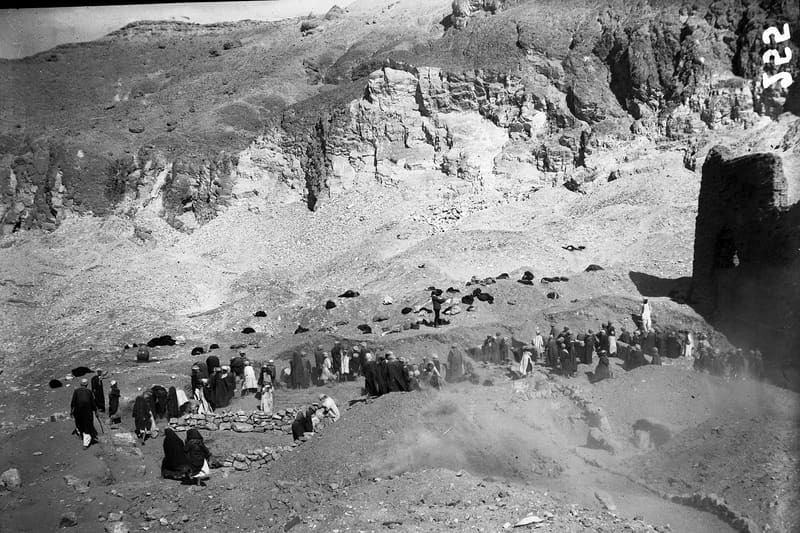
Creator unknown — CC0 — Wikimedia Commons Excavations at Giza from the 1990s onwards uncovered a workers' settlement including bakeries, breweries, dormitories and cemeteries. The workers were buried near the pyramids with grave goods, some with evidence of medical treatment for injuries. The current view among Egyptologists is that they were a paid, organised workforce, drawn in part from a seasonal labour obligation.
-
Number 7: MYTH — There was a curse on Tutankhamun's tomb
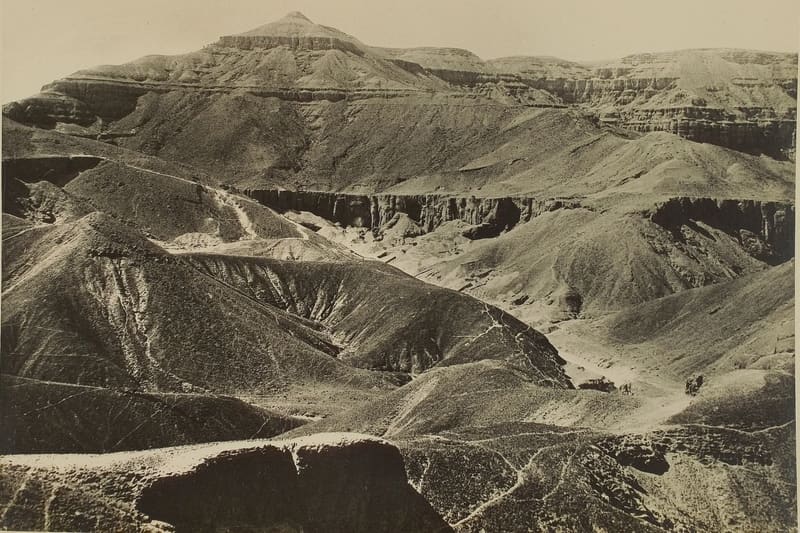
Harry Burton (1879-1940) — Public domain — Wikimedia Commons The curse story was largely a press creation following the 1922 excavation, amplified after the death of Lord Carnarvon from an infected mosquito bite. Studies looking at the survival of people present at the opening have found no unusual pattern of early death. Howard Carter, the man most involved, lived another sixteen years.
-
Number 6: FACT — Egyptians used a form of contract and legal complaint
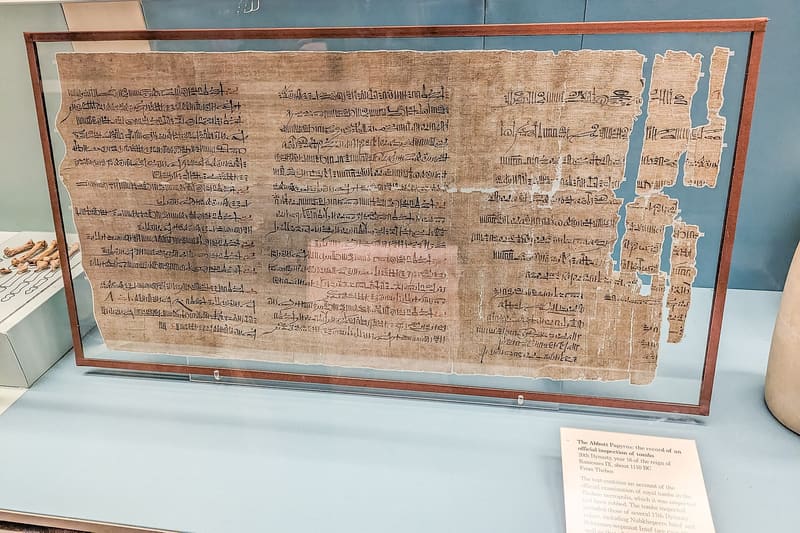
Sourabh.biswas003 — CC BY-SA 4.0 — Wikimedia Commons Surviving papyri include contracts, court records, wills and complaints. One of the best known documents from the workers' village at Deir el-Medina records what amounts to a strike over late payment of rations.
-
Number 5: MYTH — The Great Pyramid was built in a single reign by chance alignment with the stars
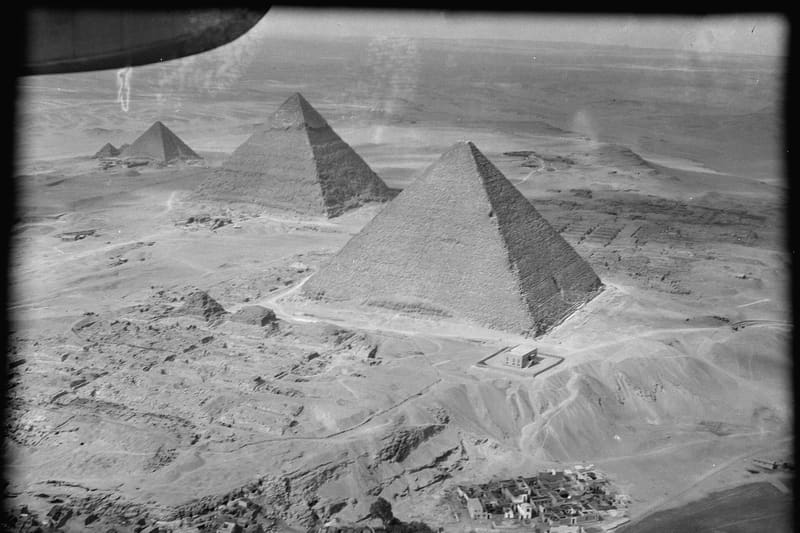
Matson Collection — Public domain — Wikimedia Commons The alignment to the cardinal directions is remarkably accurate, and that is genuinely impressive. But it is explicable with careful observation of stars or the sun and simple instruments, and Egyptologists have proposed several practical methods. Accuracy is not evidence of outside assistance.
-
Number 4: FACT — Cats were genuinely significant, but not in the way people mean
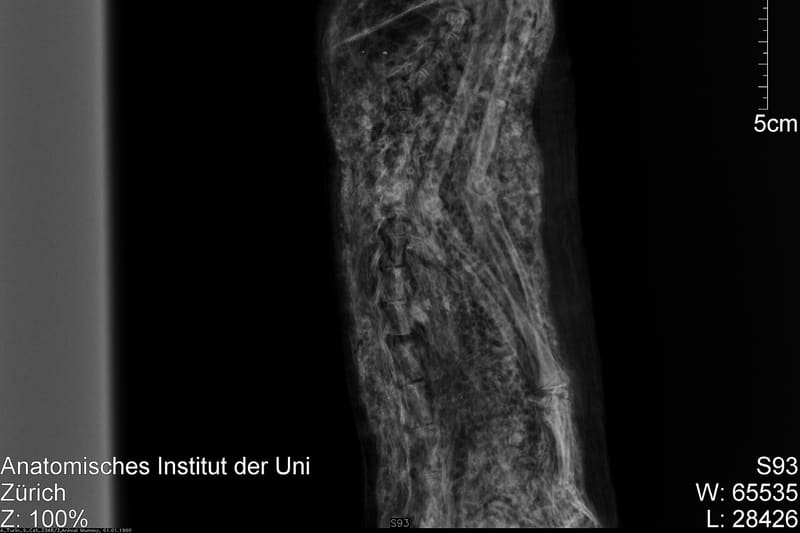
Creator unknown — CC0 — Wikimedia Commons Cats were associated with particular deities and were mummified in very large numbers as votive offerings. That is different from a household cat being worshipped. Millions of animal mummies have been found, and studies of some have shown they were bred for the purpose.
-
Number 3: MYTH — Hieroglyphs are picture writing you read as pictures
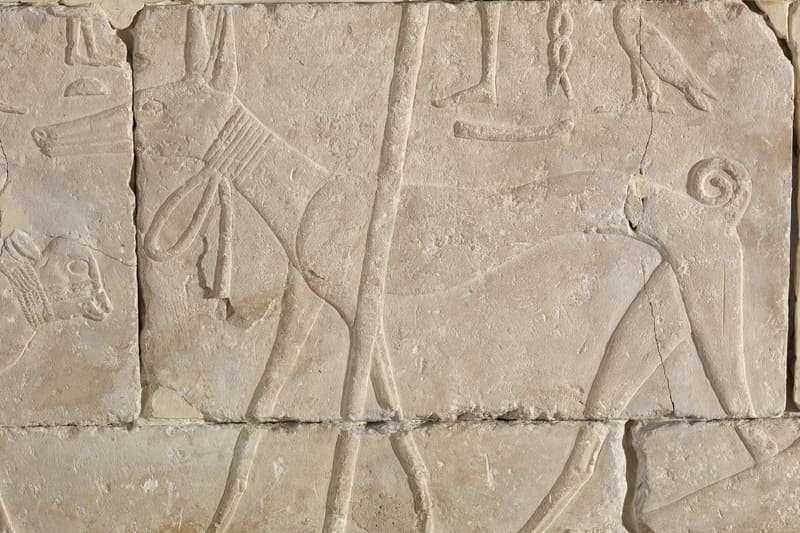
Anonymous ( Egypt ) Unknown author — Public domain — Wikimedia Commons The script is a mixed system. Some signs stand for sounds, some for concepts, and some are determinatives that clarify meaning without being pronounced. Reading it requires knowing which role each sign is playing, which is exactly why decipherment took so long.
-
Number 2: FACT — Workers were paid partly in beer and bread
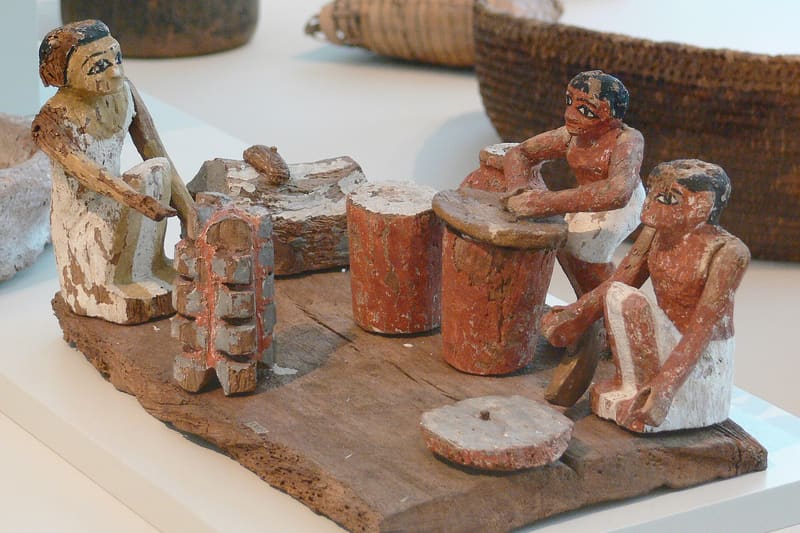
Photo: Andreas Praefcke — Public domain — Wikimedia Commons Rations were a standard form of payment, and bread and beer were staples of the diet rather than luxuries. The bakeries found at the Giza workers' settlement were industrial in scale.
-
And the strangest one of the lot
Number 1: MYTH — We do not know how the pyramids were built
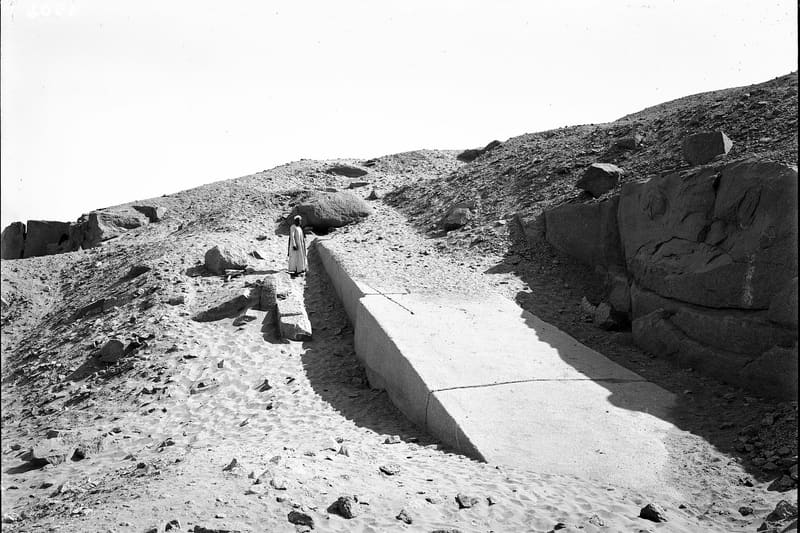
Creator unknown — CC0 — Wikimedia Commons This is the claim that does the most damage, because it is the foundation for everything sillier. We do not have a single complete construction manual, which is true of nearly all ancient engineering. But we have quarries with tool marks and partly cut blocks still in place, we have ramps and their remains, we have records of workforce organisation and supply, we have an unfinished obelisk showing the cutting process interrupted, and we have the pyramids themselves, which show clear development from earlier, less successful attempts. There is genuine debate about ramp configuration and the details of lifting. There is no serious debate about whether Egyptians of the period could build them.


.jpg)


The pattern is consistent: the real answers are better documented and more interesting than the mysteries invented to replace them.
Where this came from
- Ancient Egypt collections and research — The British Museum
- Giza Plateau excavation findings — Ancient Egypt Research Associates
- Egyptology reference — Encyclopaedia Britannica
Read next
 Mystery
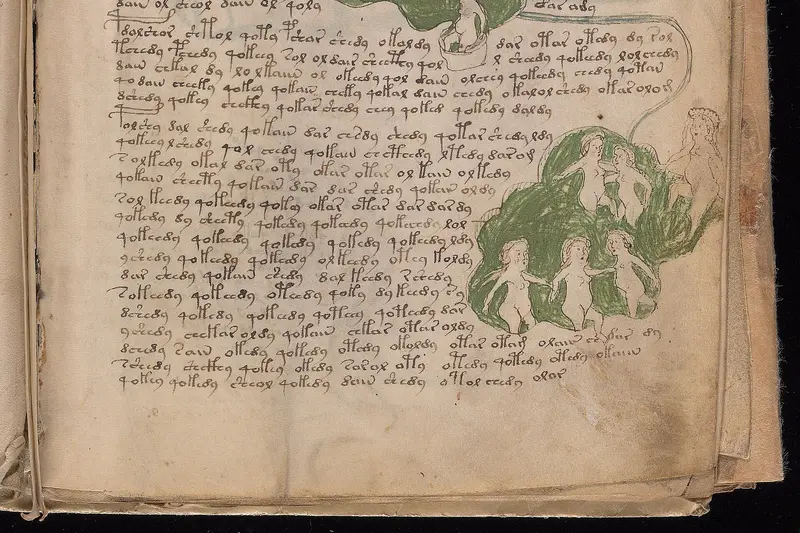
 The Manuscript Nobody Has Ever Read
A 240-page medieval book written in an unknown script, illustrated with plants that do not exist. Here is what is actually established about it, and what is not.
 Myth or Fact
 Ten Things About Medieval Life That Films Get Wrong
Nobody bathed, everyone died at thirty, and the world was grey and filthy. Ten medieval myths, checked against the documentary and archaeological record.
 Myth or Fact
 Eight Famous Film Production Stories, and Which Ones Hold Up
Film sets generate legends faster than any other workplace. Eight of the most repeated stories, sorted into the documented, the disputed and the invented.