
Classic Movies Myth or Fact
Eight Famous Film Production Stories, and Which Ones Hold Up
Film sets generate legends faster than any other workplace. Eight of the most repeated stories, sorted into the documented, the disputed and the invented.

Film sets produce more folklore per square metre than almost any other workplace, and the reason is structural: a production is a temporary organisation of hundreds of people doing something expensive and stressful, which is then talked about for decades afterwards.
Some of it is superbly documented. Studios generated enormous quantities of paperwork, and much of it survives in archives.
Eight of the most repeated stories below, counting up to the reason so many of them are unreliable.
-
Number 8: DOCUMENTED — Mechanical failures reshaped famous films

Captain Galaxy — CC BY 4.0 — Wikimedia Commons Several celebrated films ended up with their most effective sequences because a prop or effect refused to work, forcing the director to suggest rather than show. This is one of the best-evidenced categories of production story, because it turns up in shooting schedules and budget records as well as in later interviews.
-
Number 7: DISPUTED — The improvised line that made the film
Illustration: World of Curious Almost every famous film has one line attributed to on-set improvisation. Some are confirmed by multiple people present and by surviving script drafts showing the line absent. Many rest on a single much-later interview, and memory at a distance of decades is not strong evidence.
-
Number 6: DOCUMENTED — The studio wanted a different ending
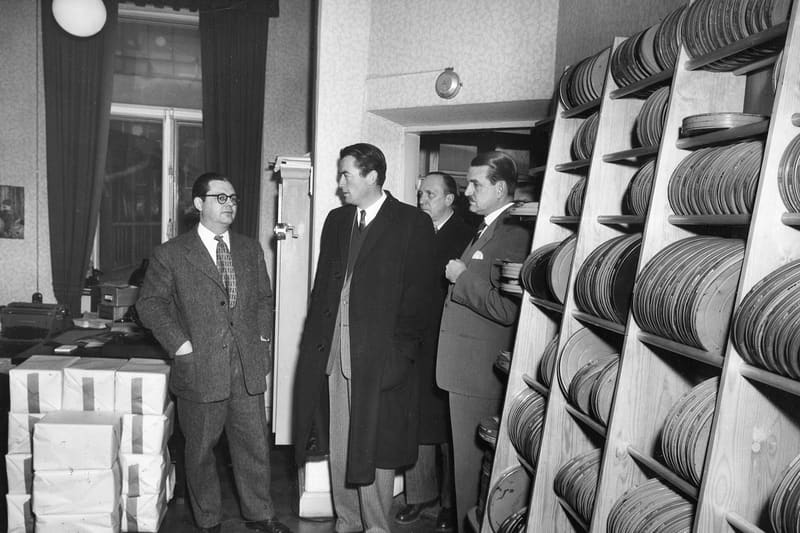
usembfinland — Public domain — Wikimedia Commons Studio interference is extremely well documented, because it generates paperwork. Preview cards, memos and alternative endings survive in archives, and in several cases the version released differs substantially from what was shot.
-
Number 5: LARGELY INVENTED — The curse on the production
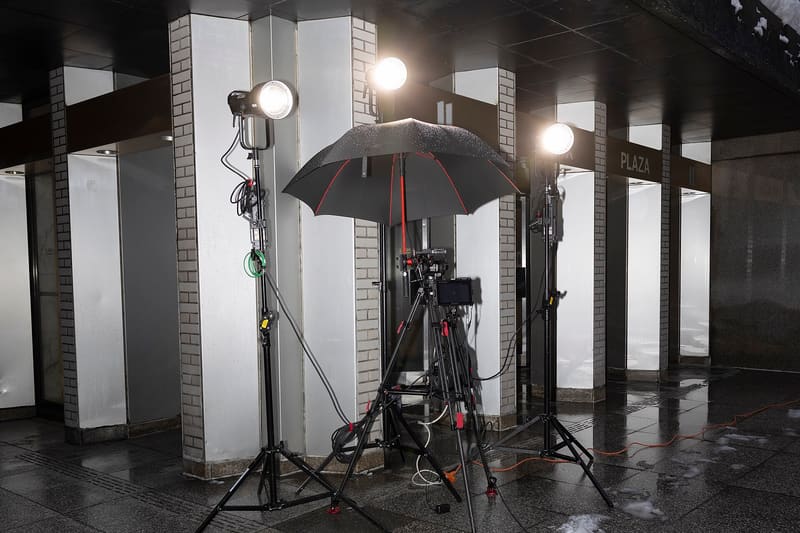
Tessa Bury — CC BY 4.0 — Wikimedia Commons Cursed film stories follow a predictable shape: a run of accidents or deaths, retrospectively linked. Given the number of people who work on a large production over several years, coincidence does most of the work, and the stories are usually assembled by publicists or journalists after the fact.
-
Number 4: DOCUMENTED — The actor who was not the first choice
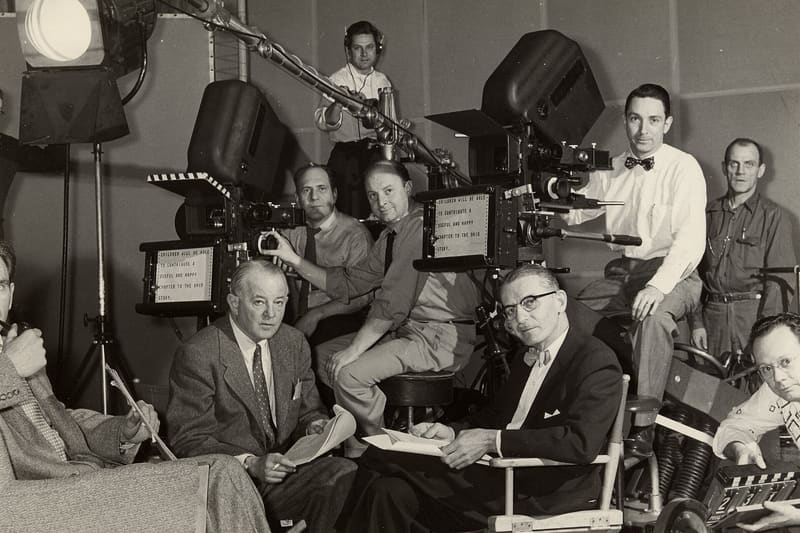
75Portlewes — CC BY-SA 4.0 — Wikimedia Commons Casting records, contracts and correspondence survive in studio archives, and they confirm a great many near-misses. This is one area where the popular story is often correct, because the paperwork exists to check it.
-
Number 3: DISPUTED — The animal that did the thing
Illustration: World of Curious Stories about animal performers are rarely well evidenced and frequently contradicted by people who worked on the film. Modern productions have oversight arrangements; historic ones often did not, and the accounts that survive tend to come from publicity rather than records.
-
Number 2: DOCUMENTED — The budget overran because of weather

AS Photography from Poland — CC BY 4.0 — Wikimedia Commons Weather delay is the single most common cause of cost overrun on location shoots, and it is recorded meticulously because it determines insurance claims. Films with reputations for chaotic production frequently turn out to have been rained on.
-
And the strangest one of the lot
Number 1: WHY SO MANY ARE WRONG — The publicity department invented the genre
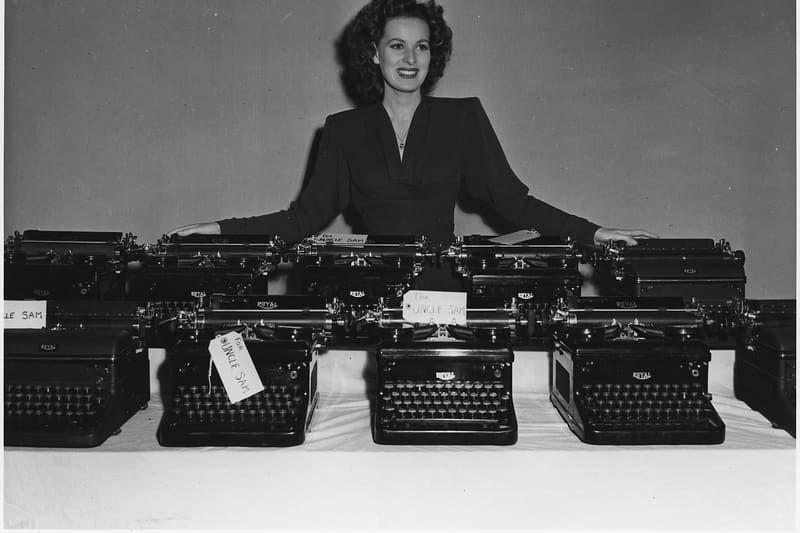
Office for Emergency Management. Office of War Information. (06/13/1942 — Public domain — Wikimedia Commons During the studio era, publicity departments manufactured stories as a matter of routine: invented biographies, staged romances, dramatic accounts of production difficulties. That material was distributed to newspapers as fact, printed as fact, and has been cited as fact ever since, including in reference books. The result is that a great deal of what everyone knows about classic Hollywood originated as marketing. The rule that works best when assessing any production anecdote is to ask where it first appeared and when. A story that surfaces in a contemporary production document or a contract is usually solid. A story that first appears in a studio press release, or in a memoir published forty years later, deserves considerably more caution.


.jpg)

Where a production story is true it is usually available in an archive. Where it is not, the trail tends to stop at a press release.
Where this came from
- Film history collections and archives — British Film Institute
- Motion picture history and production records — Library of Congress
- Cinema history reference — Encyclopaedia Britannica
Read next
 Myth or Fact
 Ten Word Origins: Six Are Real and Four Are Completely Invented
Etymology attracts more invented stories than almost any subject. Ten origins, honestly sorted, plus the one test that catches nearly every fake.
 Myth or Fact
 Myth or Fact: Eight Things Everyone Says About the Pyramids
Slaves, aliens, mummy curses and the cat that was worshipped. Eight widely repeated claims about ancient Egypt, checked against the evidence.
 Explainer
 How the Hollywood Studio System Actually Worked
Contracts, loan-outs, block booking and a publicity department that invented biographies. The industrial machinery behind the glamour, explained.