
Amazing Word Origins Myth or Fact
Ten Word Origins: Six Are Real and Four Are Completely Invented
Etymology attracts more invented stories than almost any subject. Ten origins, honestly sorted, plus the one test that catches nearly every fake.
Etymology attracts invented stories more than almost any other area of general knowledge, and the reason is that the fakes are better designed than the facts.
A real word history is usually a slow drift across several languages with an uncertain first appearance. An invented one is a tidy anecdote with a date, a character and a punchline, which makes it far easier to remember and far more fun to repeat.
Ten below, honestly labelled, counting up to the test that catches most of them.
-
Number 10: REAL — Sandwich is named after a person
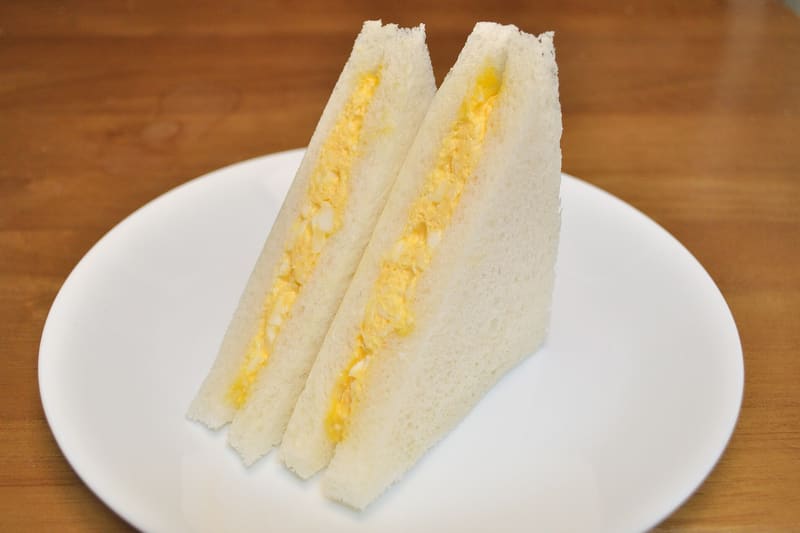
Ocdp — CC0 — Wikimedia Commons The word derives from the title of the Earl of Sandwich in the eighteenth century, and the association with the food is contemporary rather than retrospective. This is a genuine eponym, of which English has many.
-
Number 9: INVENTED — Posh stands for port out, starboard home
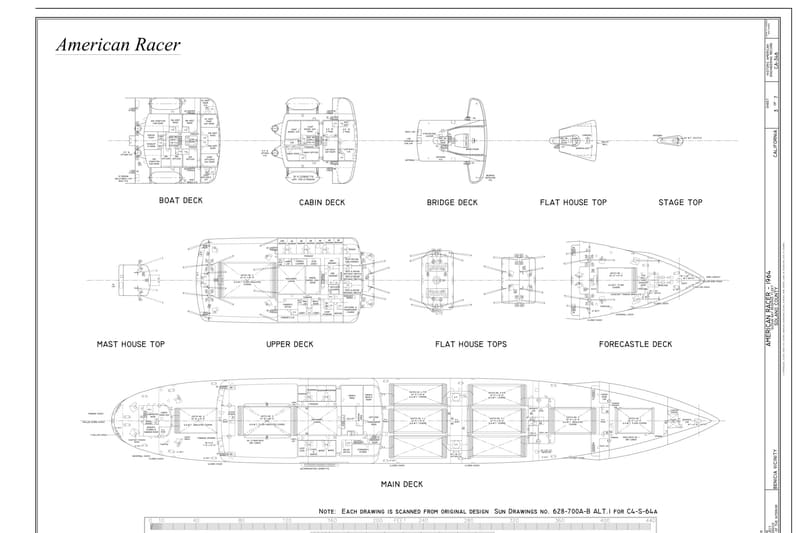
Dubard, Bryana Related names: Freide and Goldman, Inc., Naval — Public domain — Wikimedia Commons One of the most repeated false etymologies in English. No documentary evidence of the phrase being used this way on tickets has ever been produced, and the acronym story appears well after the word was already in use.
-
Number 8: REAL — Quarantine comes from a number
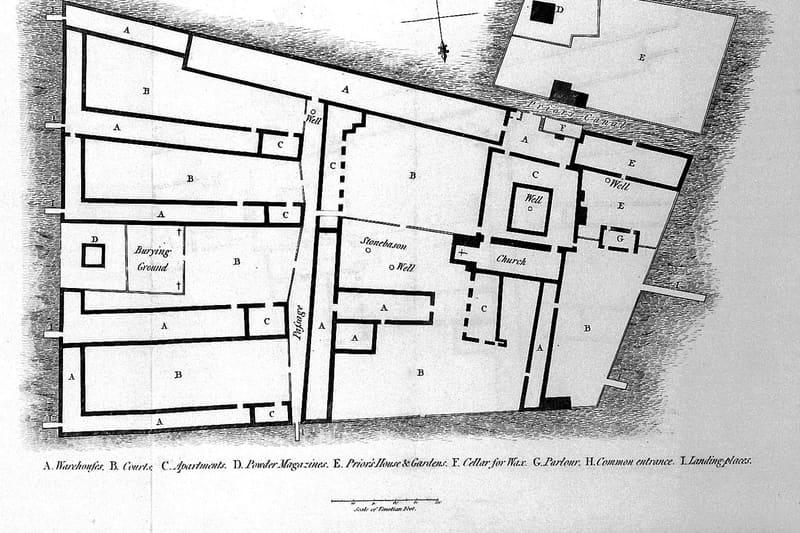
Creator unknown — CC BY 4.0 — Wikimedia Commons It derives from the Italian for forty, referring to the forty-day isolation period imposed on ships in Venetian-controlled ports during outbreaks of plague. The number is embedded in the word itself, which is why this one is checkable.
-
Number 7: INVENTED — Golf stands for gentlemen only, ladies forbidden

Creator unknown — Public domain — Wikimedia Commons The word predates the acronym era in English by centuries and derives from a Scots term related to a Dutch word for a club or bat. Acronym-based origins are almost always a sign of invention.
-
Number 6: REAL — Salary is connected to salt

Nate Steiner — CC0 — Wikimedia Commons The Latin root relates to salt, and the connection to payment is well attested. The commonly added detail that Roman soldiers were paid literally in salt is not well supported; the linguistic link is real, the vivid anecdote is shakier.
-
Number 5: REAL — Nightmare has nothing to do with horses
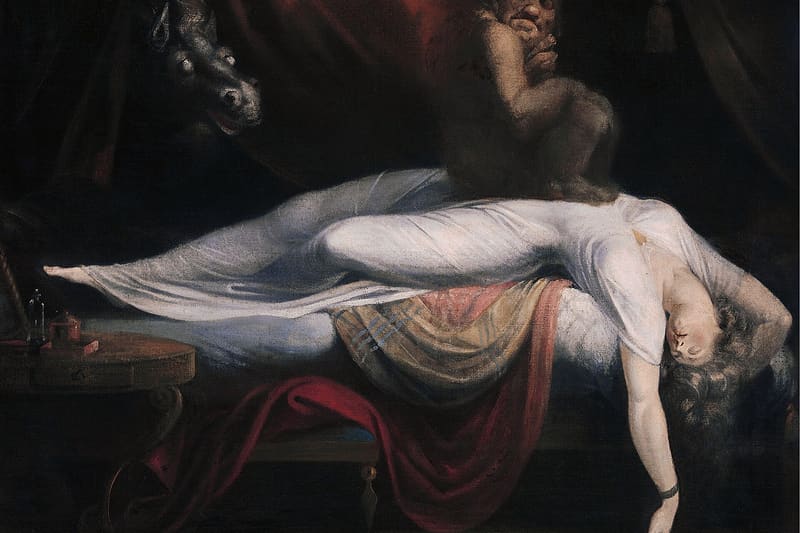
Henry Fuseli — Public domain — Wikimedia Commons The second element comes from an Old English word for an oppressive spirit believed to sit on a sleeper's chest. The equine mare is a separate word with a separate origin that happens to have converged in spelling.
-
Number 4: INVENTED — The whole family of rude-word acronyms
Creator unknown — Public domain — Wikimedia Commons There is a well-known set of claims that various profanities are acronyms from legal or naval usage. None of them holds up. The words involved are old, they have clear continental cousins, and acronyms as a productive way of making words are essentially a twentieth-century phenomenon.
-
Number 3: REAL — Clue was originally a ball of thread
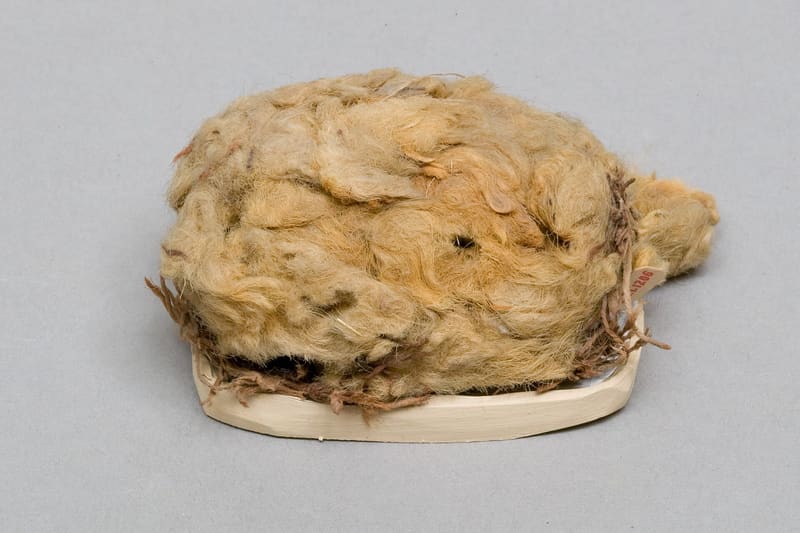
Creator unknown — CC0 — Wikimedia Commons It comes from an older word for a ball of yarn, and the modern sense derives from the story of a thread used to find a way back out of a labyrinth. The metaphor became the literal meaning, which is a common route for words to travel.
-
Number 2: INVENTED — Rule of thumb comes from a law about beating
Illustration: World of Curious The claim that the phrase refers to a legal limit on the thickness of an implement has been widely repeated and does not survive checking. The phrase appears in print in the sense of a rough practical measurement, and the legal story appears much later.
-
And the strangest one of the lot
Number 1: THE TEST — If it is an acronym, it is almost certainly false
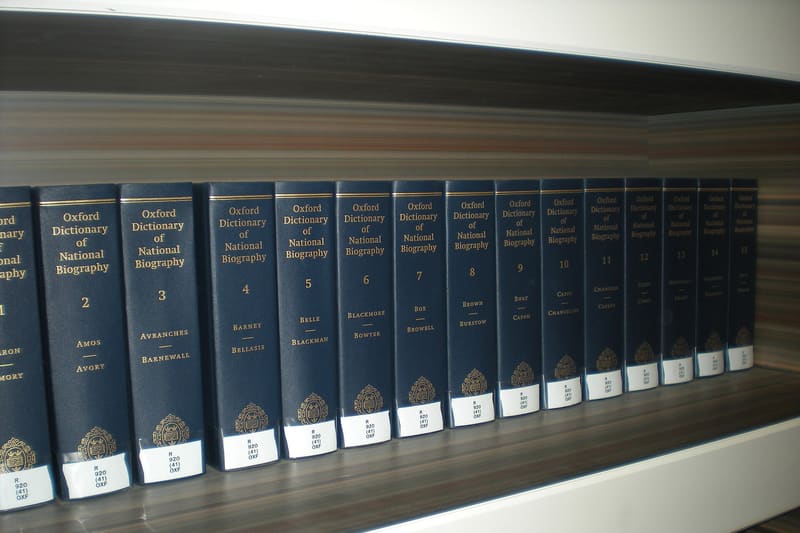
Mgoutsidou — CC BY-SA 3.0 — Wikimedia Commons This single rule catches the large majority of invented etymologies. Acronyms barely existed as a way of forming English words before the twentieth century; the deliberate coining of words from initial letters is a modern habit. So any claim that a word from before about 1900 is an acronym is suspect on its face. Two secondary rules help as well. First, be suspicious of a neat backstory involving a specific occupation, a tax, a monarch or a pub — real etymologies are usually messier and involve a word drifting through two or three other languages. Second, check whether the word has obvious relatives in other languages, because a word with cousins in German, Dutch or Norse did not originate in an English acronym. All three tests take about a minute with a good dictionary, and a good dictionary will tell you outright when an origin is uncertain.


.png)


The honest answer for a great many words is simply unknown, and a dictionary that says so is doing its job properly.
Where this came from
- Etymology and word histories — Oxford English Dictionary
- Historical linguistics reference — Encyclopaedia Britannica
- Manuscripts and early printed English collections — The British Library
Read next
 Countdown
 Nine Books That Were Nearly Very Different
Rejected manuscripts, changed titles, altered endings and pen names. Nine publishing decisions that reshaped books everybody now knows in one form only.
 Explainer
 The Grammar Rule You Follow Perfectly and Could Not State
Native speakers obey dozens of rules they were never taught and cannot explain. Here is the most famous one, plus five more you are using right now.
 Myth or Fact
 Myth or Fact: Eight Things Everyone Says About the Pyramids
Slaves, aliens, mummy curses and the cat that was worshipped. Eight widely repeated claims about ancient Egypt, checked against the evidence.