
Books & Authors Countdown
Nine Books That Were Nearly Very Different
Rejected manuscripts, changed titles, altered endings and pen names. Nine publishing decisions that reshaped books everybody now knows in one form only.

Publishing archives are one of the best correctives available to the romantic view of how books get written.
They contain rejection letters, editorial arguments, proof corrections, marketing memos and successive drafts, and they show something consistently different from the legend: books are made in stages, by several people, under commercial pressure.
Nine examples below, counting up to the pattern that runs through all of them.
-
Number 9: The title that changed at the last minute
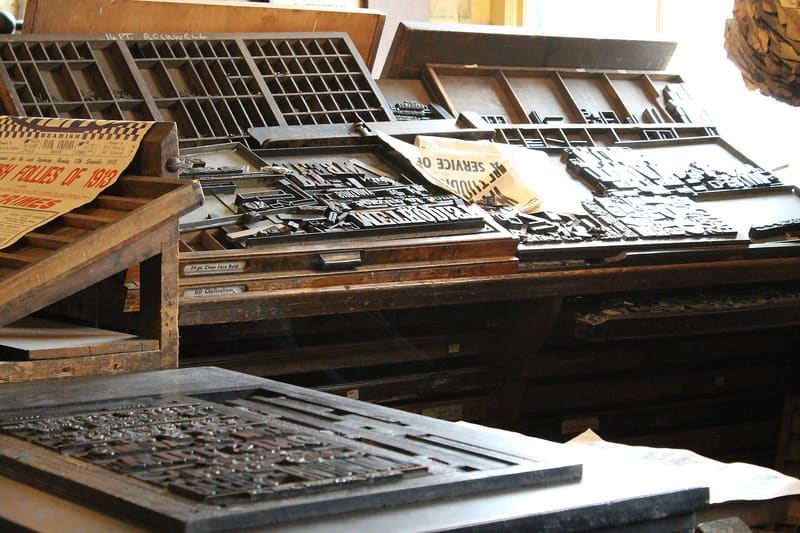
Maggie Stephens from London, UK — CC BY 2.0 — Wikimedia Commons Working titles survive in publishing correspondence and in proof copies, and they are frequently much worse than the final version. Title changes are usually driven by the sales department rather than the author, which is a source of long-running friction.
-
Number 8: The manuscript rejected many times over
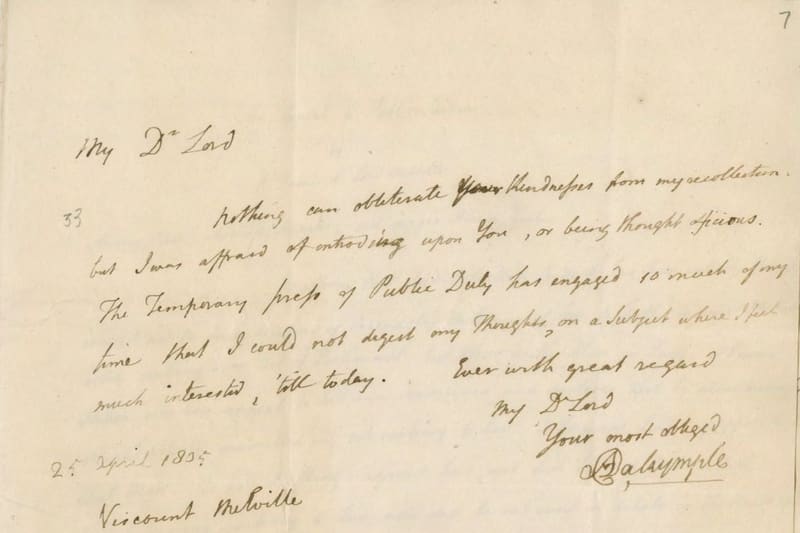
Dalrymple, Alexander, 1737-1808 — Public domain — Wikimedia Commons Serial rejection is extremely common in the history of successful books, and the rejection letters survive in archives. What they usually show is not stupidity but risk aversion: editors declining something because they could not see how to sell it, which is a different judgement from thinking it was bad.
-
Number 7: The pen name adopted for commercial reasons
Creator unknown — Public domain — Wikimedia Commons Women writing under male or ambiguous names is the best-known case and continued well into the twentieth century. Authors also adopted pen names to publish in a second genre without confusing their readership, or because a contract prevented them publishing under their own name.
-
Number 6: The ending changed after a bad reaction
Sun, Shijun — Public domain — Wikimedia Commons Alternative endings exist in manuscript for a number of well-known novels, changed after a publisher's or a friend's response. In a few cases both versions were published in different territories, which produces genuine disagreement among readers about what the book says.
-
Number 5: The book that was serialised first
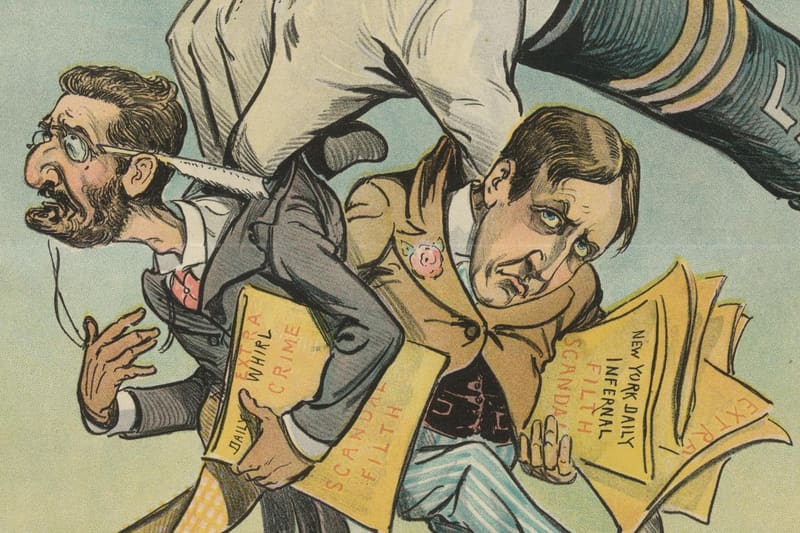
Uploader Hasanov Jasurbek — Public domain — Wikimedia Commons A large number of nineteenth-century novels were written and published in instalments, which shaped their structure enormously: recurring cliffhangers, large casts, and a pace calibrated to a monthly reading rhythm. Some were revised significantly for book publication.
-
Number 4: The character that was cut
Illustration: World of Curious Surviving drafts frequently contain characters removed before publication, often for length. Where the manuscripts are held in public collections these are readable, and they sometimes explain oddities in the published text — a subplot that goes nowhere, a name mentioned once.
-
Number 3: The book that was censored or bowdlerised
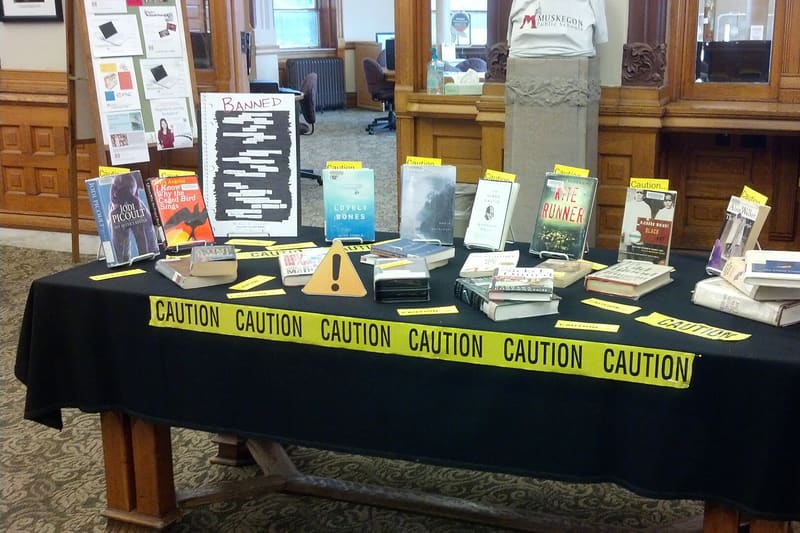
Charles Hackey — CC BY 2.0 — Wikimedia Commons Editions differ. Books have been altered for legal reasons, for moral objections, for particular markets and for school use, and the version someone read may not be the version someone else read. Checking which edition is being discussed is a basic and often-skipped step.
-
Number 2: The book published after the author's death
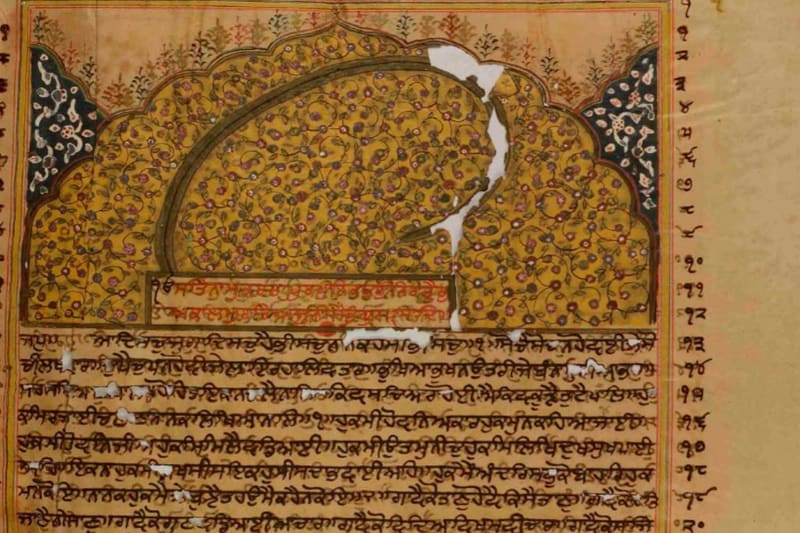
Baba Deep Singh — Public domain — Wikimedia Commons Posthumous publication raises a question that has no clean answer: whether an unfinished or unrevised manuscript represents what the author wanted. Several well-known works were published against explicit instructions to destroy them, which has been argued about ever since.
-
And the strangest one of the lot
Number 1: The thing archives keep proving — the myth of the sudden masterpiece
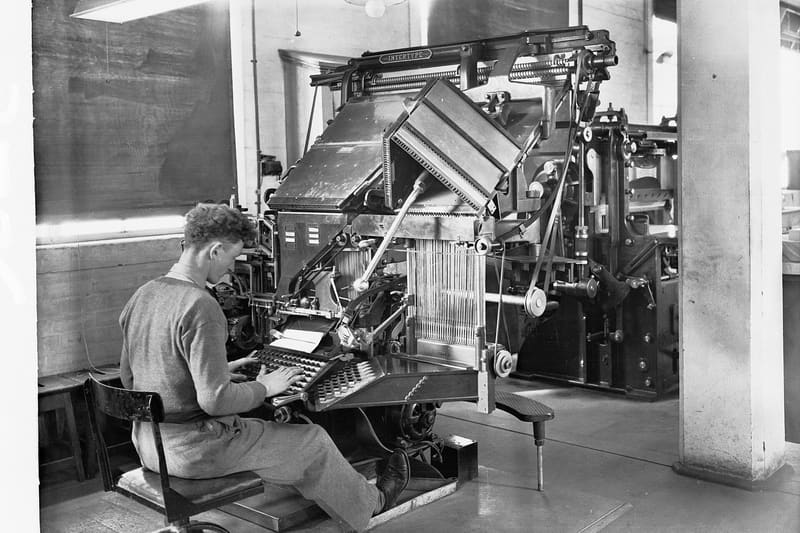
State Government Photographer — CC0 — Wikimedia Commons The single most consistent finding from publishing archives is how much work happens after the manuscript is finished. Editorial correspondence, marked-up proofs and multiple drafts show titles being argued over, structures rebuilt, characters removed, endings rewritten and openings replaced entirely. The popular image of a book arriving whole from a single mind, and being recognised immediately, is contradicted by almost every archive that has been catalogued. What survives instead is a long record of collaboration, disagreement, commercial pressure and revision — which is considerably more encouraging for anybody currently writing something.


.jpg)


.jpg)
Most of this material is publicly accessible. National libraries hold enormous quantities of literary correspondence and manuscripts, and much of it is now digitised.
Where this came from
- Literary manuscripts and publishing archives — The British Library
- Publishing history collections — Library of Congress
- Literature reference — Encyclopaedia Britannica
Read next
 Trivia
 Ten Jobs Famous People Had Before They Were Famous
Career facts rather than gossip: the documented jobs, trades and professions that well-known people held before the work they are known for.
 Explainer
 Ten Television Formats That Were Invented Once and Never Improved
The quiz, the soap, the sitcom, the makeover and the panel show. Where each format came from, and why almost every one of them arrived from radio.
 Countdown
 Ten Music Formats and How Long Each One Actually Lasted
From wax cylinder to streaming, with the lifespan of each format and the specific thing that killed it. The shortest lasted about six years.