
Music Nostalgia Countdown
Ten Music Formats and How Long Each One Actually Lasted
From wax cylinder to streaming, with the lifespan of each format and the specific thing that killed it. The shortest lasted about six years.

Recorded music has run through more formats than almost any other medium, and the lifespans are surprisingly uneven. One lasted half a century. One lasted about four years.
What is consistent is the cause of death. In almost every case the winning format was more convenient rather than better sounding, and the losing format was technically superior at least as often as not.
Ten of them, counting up to the one that changed the rules.
-
Number 10: The wax cylinder — roughly 1890s to 1920s
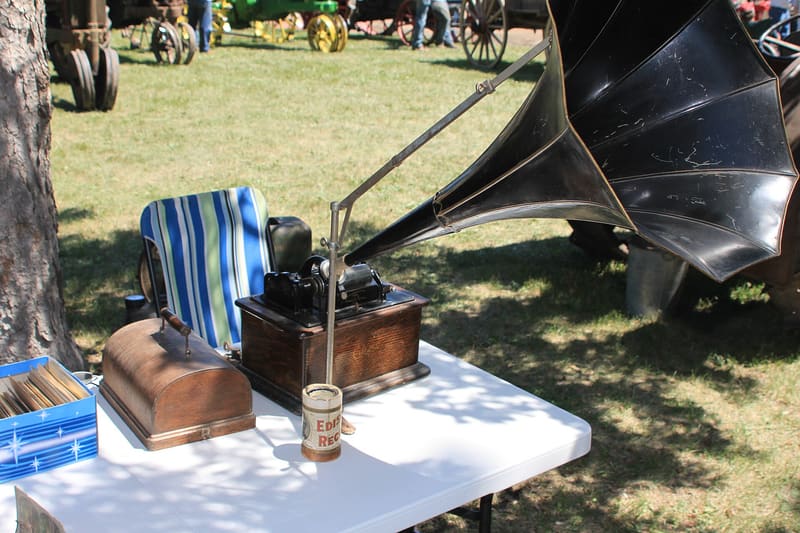
Ben Franske — CC BY-SA 4.0 — Wikimedia Commons The first commercially successful recorded music format. Each cylinder had to be recorded individually in the earliest years, which made mass production difficult. Killed by the flat disc, which could be pressed in quantity from a master and stored far more easily.
-
Number 9: The 78rpm shellac disc — roughly 1900s to 1950s
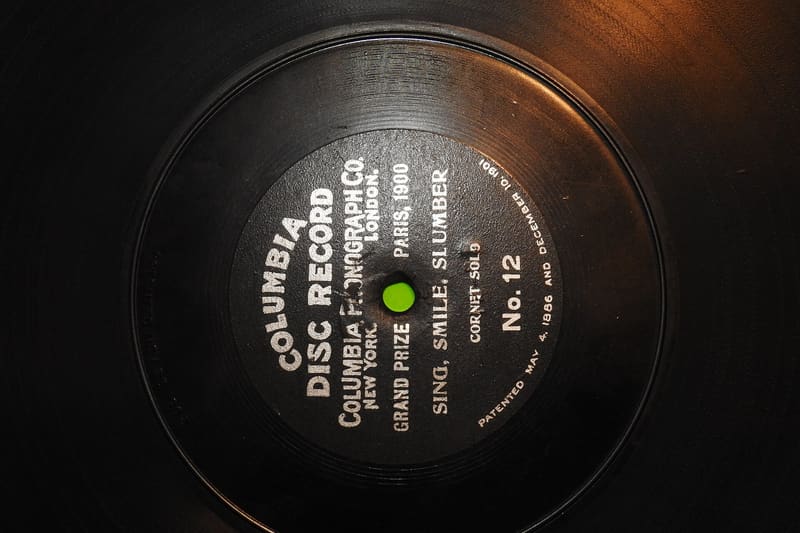
Columbia Records — Public domain — Wikimedia Commons Brittle, heavy, and limited to around three to five minutes per side, which is a large part of why popular songs settled at around three minutes. Killed by vinyl, which was lighter, tougher and allowed far longer playing times.
-
Number 8: The vinyl LP — 1948 to now
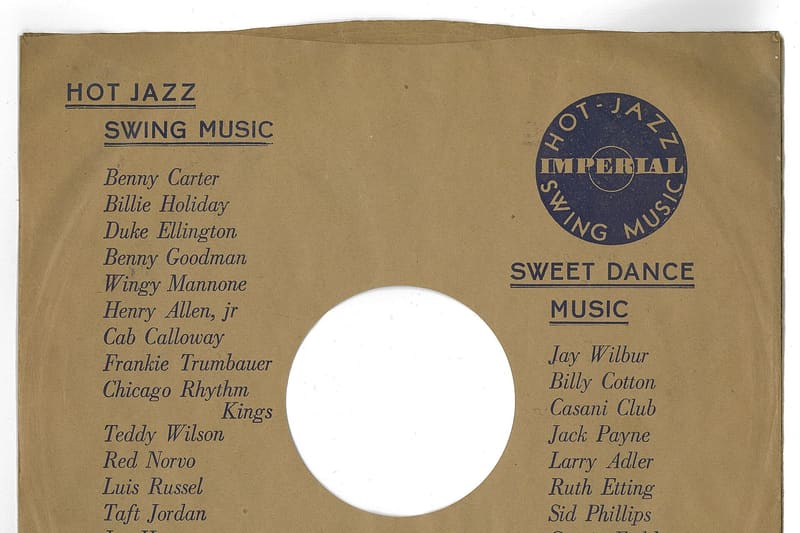
Anonymous Unknown author — Public domain — Wikimedia Commons The longest-lived format on this list, and the only one to have been declared dead and then returned commercially. The long playing time created the album as an artistic unit, which had not previously existed.
-
Number 7: The 7-inch single — 1949 to roughly the 1990s
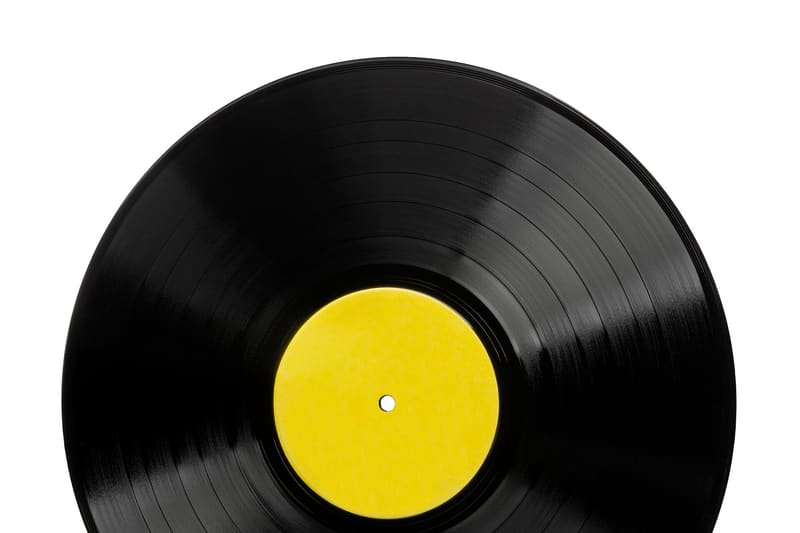
Evan-Amos — Public domain — Wikimedia Commons Cheap, portable, and the foundation of the singles chart and the jukebox. Killed by the cassette single and then the CD single, and latterly revived as a collectors' format.
-
Number 6: The 8-track cartridge — roughly 1965 to 1982
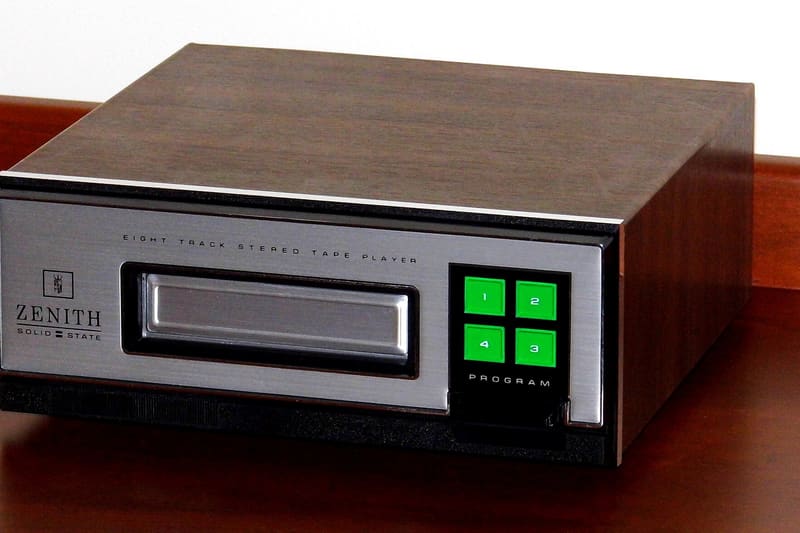
Joe Haupt from USA — CC BY-SA 2.0 — Wikimedia Commons Popular mainly in cars in North America. It could not rewind, and it frequently faded out mid-song to change track, which is a genuinely remarkable design compromise. Killed decisively by the compact cassette.
-
Number 5: The compact cassette — 1963 to roughly 2000
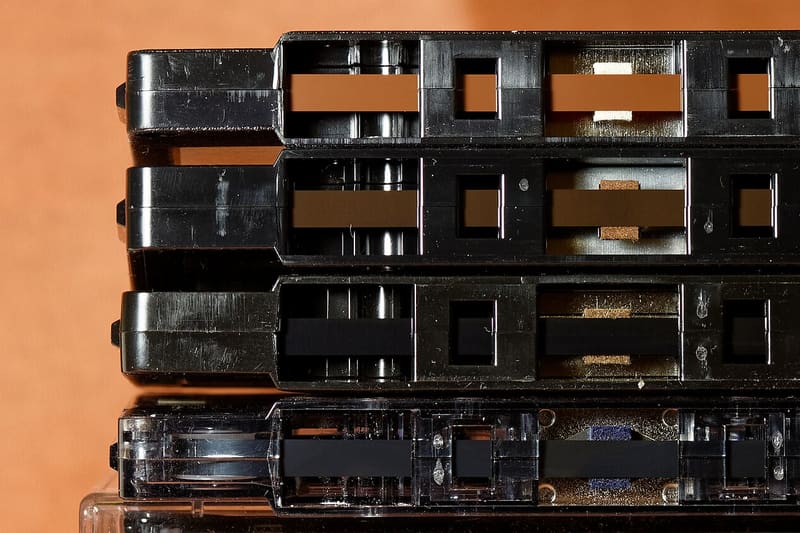
Retired electrician — CC0 — Wikimedia Commons The format that made recording at home normal. Home taping created the mixtape, the bootleg and the first serious industry panic about copying. Killed by the CD for sound quality, and then finished off by digital files.
-
Number 4: The compact disc — 1982 to roughly 2010
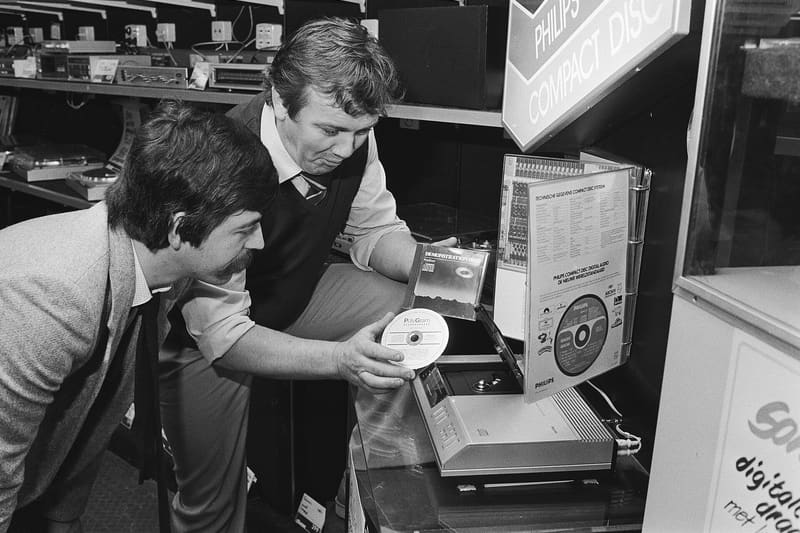
Marcel Antonisse / Anefo — CC0 — Wikimedia Commons Sold on durability and sound quality, and hugely profitable for the industry. Killed by the fact that it was digital and unencrypted, which meant its contents could be copied perfectly and, once broadband arrived, shared.
-
Number 3: MiniDisc — 1992 to roughly 2013
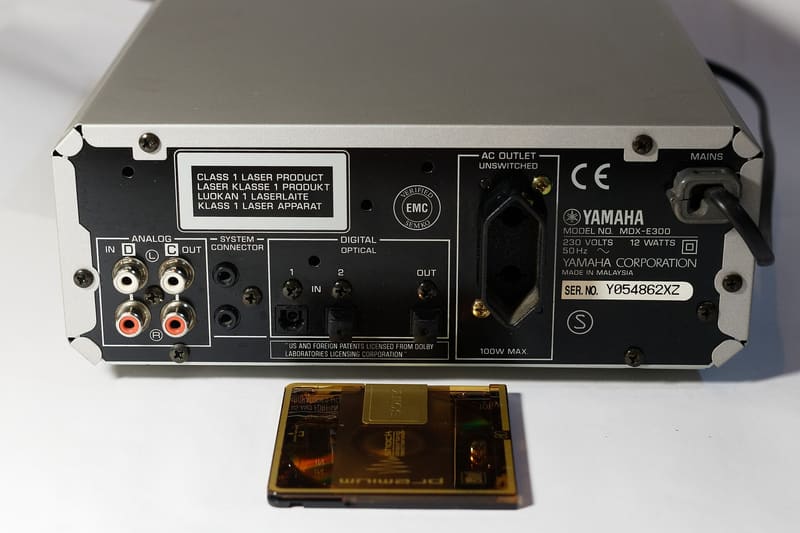
Retired electrician — CC0 — Wikimedia Commons Technically excellent: recordable, editable, skip-resistant and small. It arrived at almost exactly the wrong moment, caught between the CD it was meant to replace and the hard-drive players that arrived a few years later. One of the clearest examples of a good product with bad timing.
-
Number 2: Digital Compact Cassette — 1992 to 1996
Illustration: World of Curious The shortest-lived format here, at about four years on the market. It was designed to be backwards compatible with analogue cassettes, which added cost and complexity, and it lost the format war to MiniDisc, which then lost to everything else.
-
And the strangest one of the lot
Number 1: The download, and what it changed permanently
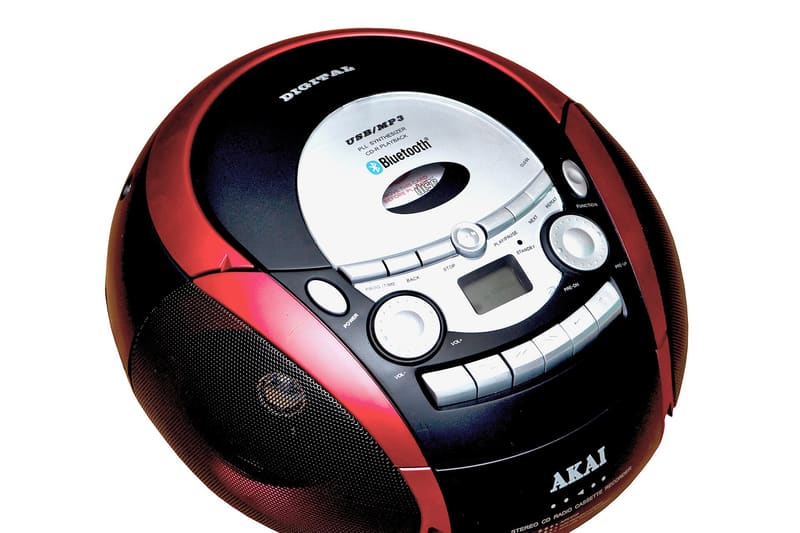
Akai APRC-90.jpg : Rsocol derivative work: Pittigrilli — CC BY-SA 4.0 — Wikimedia Commons The download had a shorter commercial life than almost anyone expected — roughly 2003 to the mid-2010s — before streaming overtook it. But it is the most consequential entry on this list, because it broke the link between music and a physical object for the first time in a century. Every format above it was a thing you owned, stored, lent and lost. Once that stopped being true, almost everything downstream changed: the album as a unit weakened, the single recovered, back catalogue became permanently available, and the economics shifted from sale to rental. Streaming is a refinement of that break rather than a new one.


.jpg)


.jpg)
The pattern across the whole list: formats are almost never killed by sound quality. They are killed by convenience, price and copying.
Where this came from
- Sound recording collections and history — National Science and Media Museum
- Recorded sound history — Library of Congress
- History of recorded music — Encyclopaedia Britannica
Read next
 Countdown
 Twelve Things That Lived in an Ordinary 1980s Bedroom
The poster, the radio-cassette, the pencil case with a combination lock: twelve objects that were in almost every 1980s bedroom and are now in almost none.
 Countdown
 How Many of These 15 Things From a 90s Childhood Do You Remember?
Fifteen very specific objects, sounds and rituals from a 1990s childhood, from the tape-deck pause button to the phone cord that reached exactly nowhere.
 Countdown
 Ten Things Everybody Did Online in 2004 That Nobody Does Now
Burned CDs, away messages and the family computer in the hallway: ten online habits from the mid-2000s that have disappeared completely.