
90s Nostalgia Countdown
How Many of These 15 Things From a 90s Childhood Do You Remember?
Fifteen very specific objects, sounds and rituals from a 1990s childhood, from the tape-deck pause button to the phone cord that reached exactly nowhere.

There is a particular category of memory that only works if you were there: not the big events, but the small mechanical ones. The exact resistance of a pause button. The weight of a phone handset. The specific two seconds of silence before a modem gave up.
The 1990s are close enough to feel recent and far enough away that the everyday details have quietly disappeared. Most of the things on this list were not special at the time. They were just how things worked, which is exactly why nobody photographed them.
Here are fifteen of them, counting up to the one that changed most.
-
Number 15: The tape deck pause button
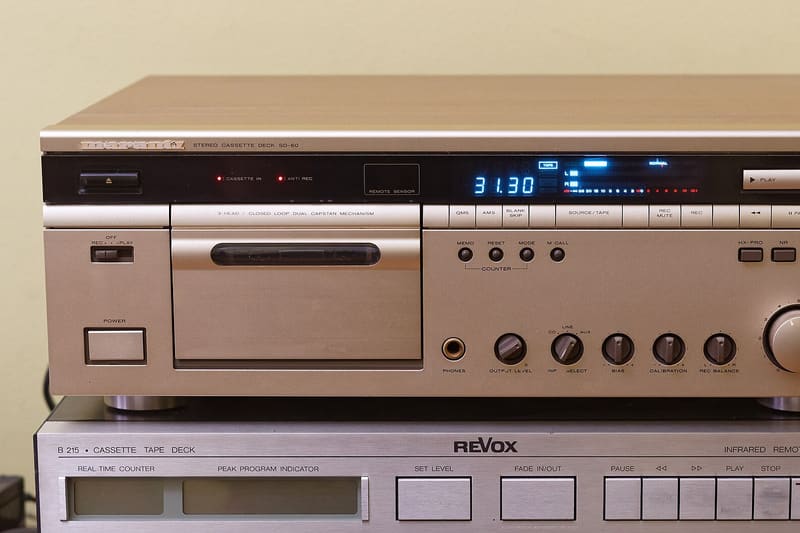
Retired electrician — CC0 — Wikimedia Commons Recording off the radio meant standing guard by the stereo with a finger on pause, waiting for the DJ to stop talking. Get it wrong and the first two seconds of the song were a voice saying the station name. Everyone had at least one tape like that, and everyone learned to sing along with the mistake.
-
Number 14: The phone cord that reached exactly nowhere
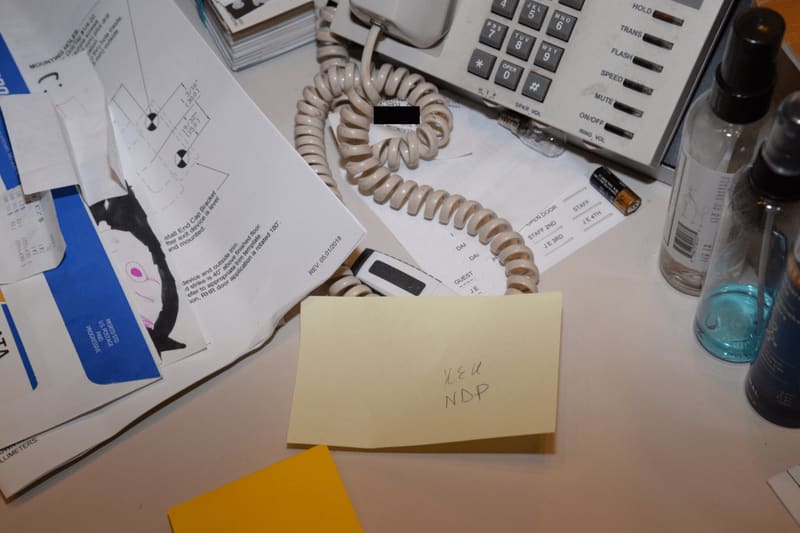
Federal Bureau of Investigation — Public domain — Wikimedia Commons The house phone lived in the hallway, on a little table, attached to the wall by a curly cord that stretched just far enough to sit on the bottom stair and no further. Private conversations happened in a draught, in full view of the front door, with somebody else waiting to use it.
-
Number 13: Rewinding before you returned it
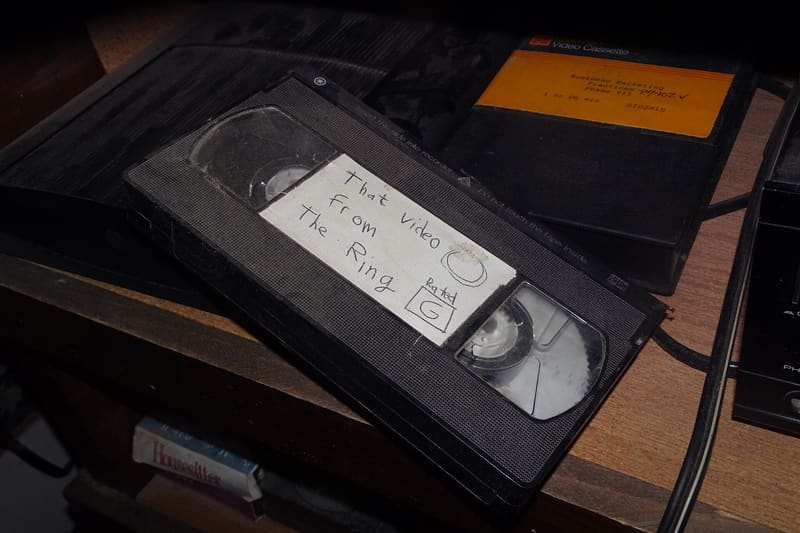
B137 — CC BY-SA 4.0 — Wikimedia Commons Video shops charged for tapes returned unrewound, so the last job before a film went back was sitting through the whistle of the rewind. Some households owned a separate rewinding machine for exactly this, which in hindsight was a very strange object to own.
-
Number 12: The disposable camera you had to finish
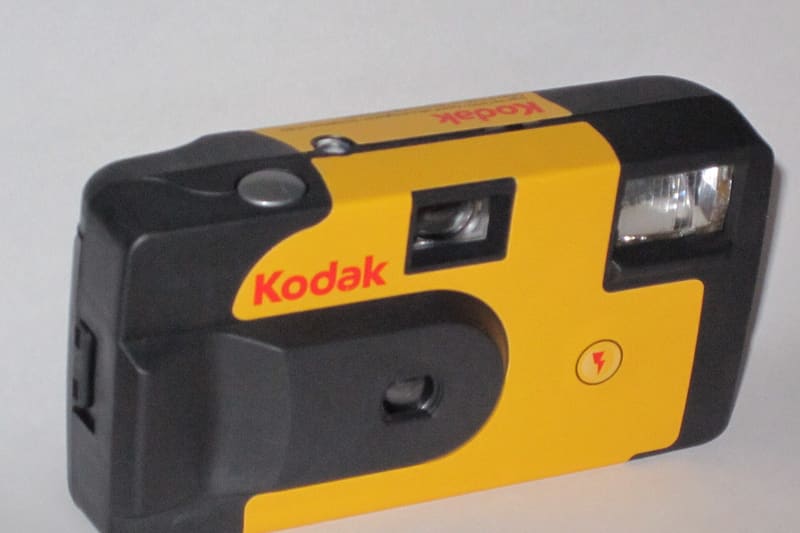
Rept0n1x — CC BY-SA 3.0 — Wikimedia Commons Twenty-seven exposures, no screen, no second attempt. You could not see what you had taken until the envelope came back from the chemist, usually a fortnight later, and roughly a third of the photos were a thumb, a blur, or someone blinking.
-
Number 11: Blowing into the cartridge
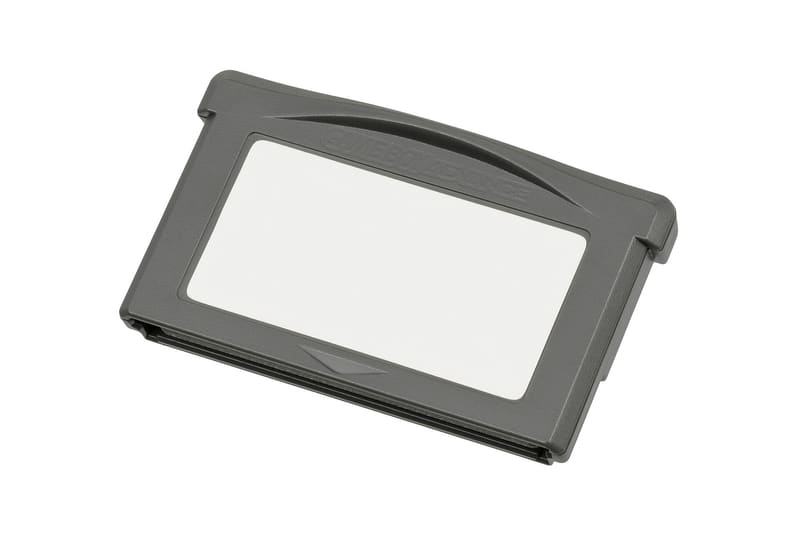
Evan-Amos — Public domain — Wikimedia Commons A game cartridge that would not load got taken out and blown into, then wiped on a sleeve, then put back in at a very slightly different angle. Whether this actually helped is debatable. Whether everyone did it is not.
-
Number 10: The screensaver you watched on purpose
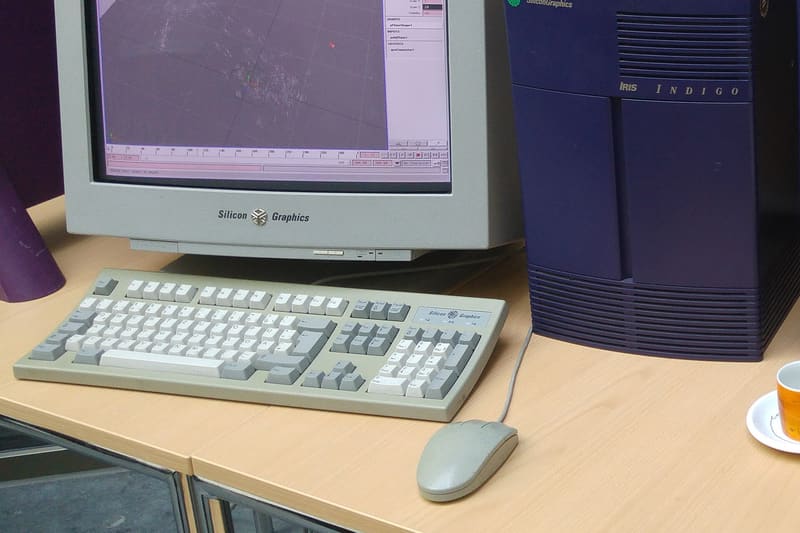
Wolfgang Stief from Tittmoning, Germany — CC0 — Wikimedia Commons Flying toasters, bouncing pipes, a logo drifting around waiting to hit the corner exactly. Computers were slow enough that watching the screensaver counted as something to do, and the corner-hit was genuinely satisfying.
-
Number 9: Saturday morning television as an appointment
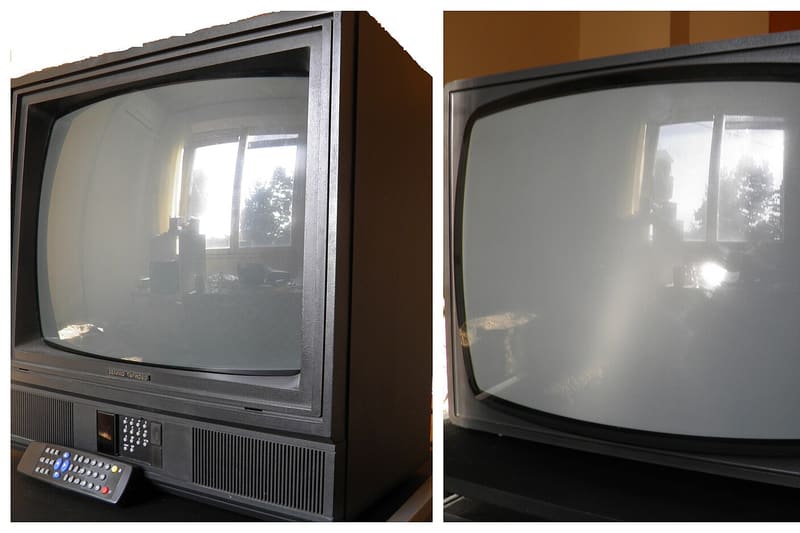
Powerfox — CC BY-SA 4.0 — Wikimedia Commons There was no catch-up. If you missed it, you missed it, and on Monday everyone else had seen it. Getting up early on a Saturday was a choice children made voluntarily, which never happened on a school day.
-
Number 8: The argument about the TV aerial
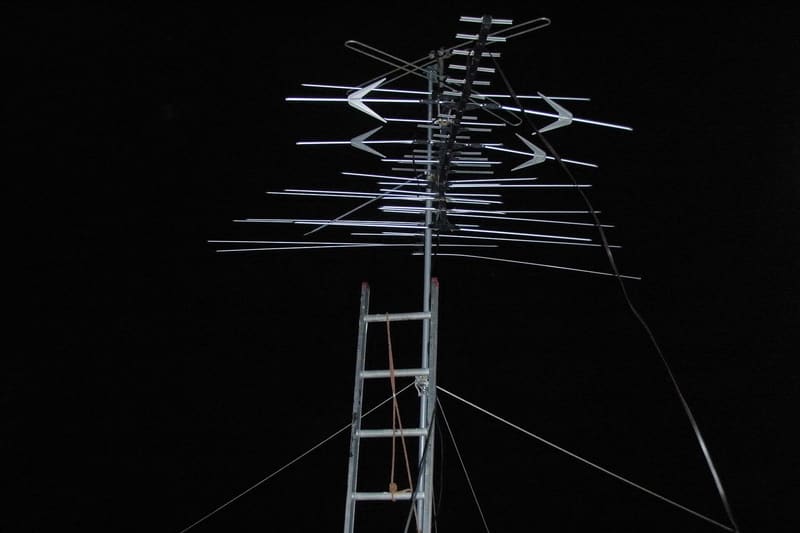
Daniel Christensen — CC BY 3.0 — Wikimedia Commons Portable sets came with a telescopic aerial that had to be held at one exact angle, often by a person standing in the corner of the room, who therefore could not watch. Tin foil was involved more often than anyone admits.
-
Number 7: Writing on a floppy disk label
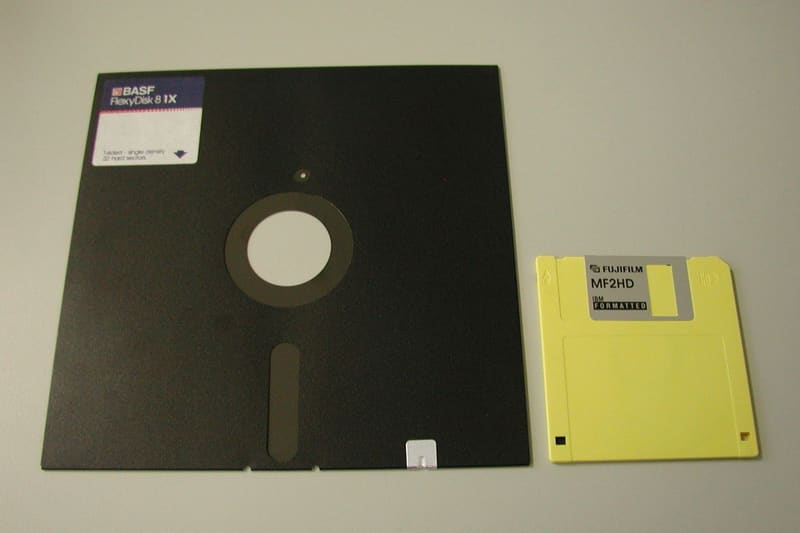
Thomas Bohl — Public domain — Wikimedia Commons Three and a half inches of plastic holding less than a modern photograph, with a paper label you wrote on in biro and then scribbled out four times. The metal shutter slid back if you fiddled with it, which everyone was told not to do and everyone did.
-
Number 6: The sound of dial-up
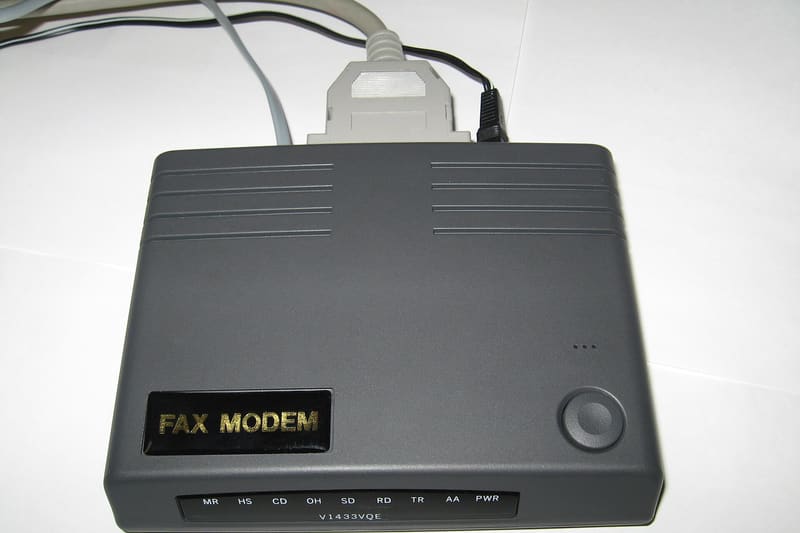
Frunze103 — CC0 — Wikimedia Commons A sequence of tones and static that meant the phone line was now busy and nobody could ring the house. It took long enough that you could go and make a drink, and it failed often enough that you learned the noise it made when it was not going to work.
-
Number 5: The school book covered in wallpaper

Creator unknown — No restrictions — Wikimedia Commons Exercise books were covered in offcuts of wallpaper or sticky-backed plastic, applied by a parent, with bubbles. The bubbles were then pressed towards the edge with a thumb, forever, without ever fully disappearing.
-
Number 4: Knowing phone numbers by heart
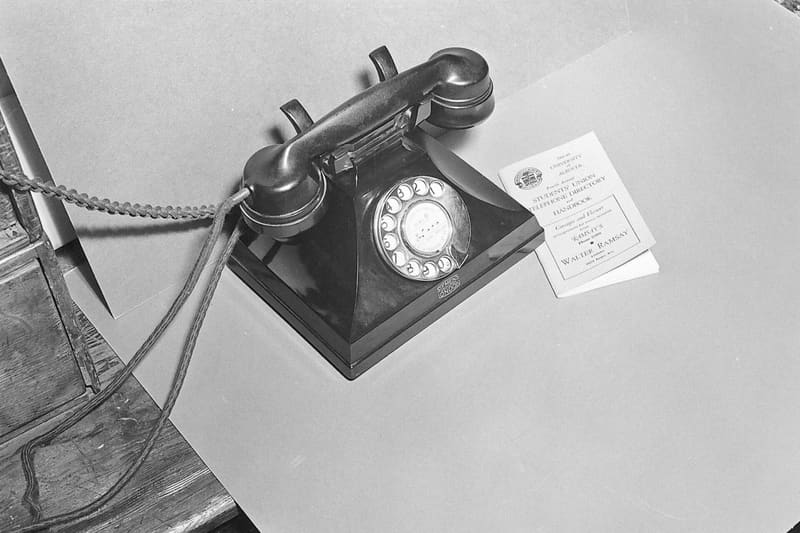
Creator unknown — Public domain — Wikimedia Commons Not one or two. Ten or fifteen: home, grandparents, three friends, the place your mother worked. They are still in there somewhere, decades after the last time any of them was dialled.
-
Number 3: The video shop on a Friday
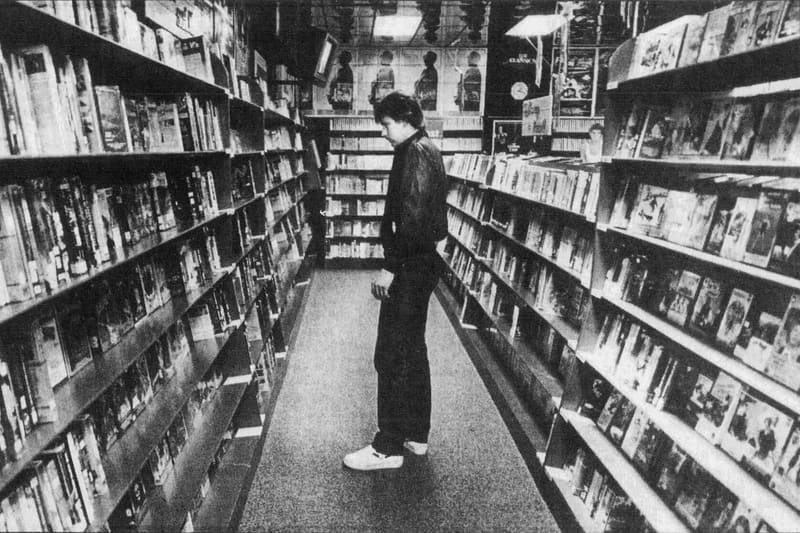
The News Tribune/ staff photographer — Public domain — Wikimedia Commons A wall of boxes, most of them empty display cases, and a specific sinking feeling when the film everybody wanted had one copy and it was already out. The compromise film was chosen quickly, with resentment, and was usually fine.
-
Number 2: The fax machine that lived in the corner
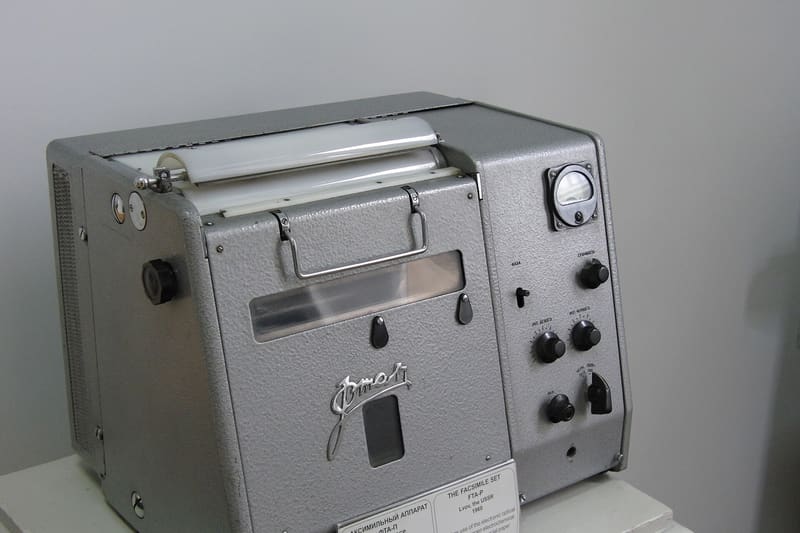
Mikhail (Vokabre) Shcherbakov — CC BY-SA 2.0 — Wikimedia Commons Not every house had one, but every house knew someone who did, and it printed on shiny paper that curled up and faded within a year. It also rang like a phone and screamed at you if you picked it up.
-
And the strangest one of the lot
Number 1: Being genuinely uncontactable
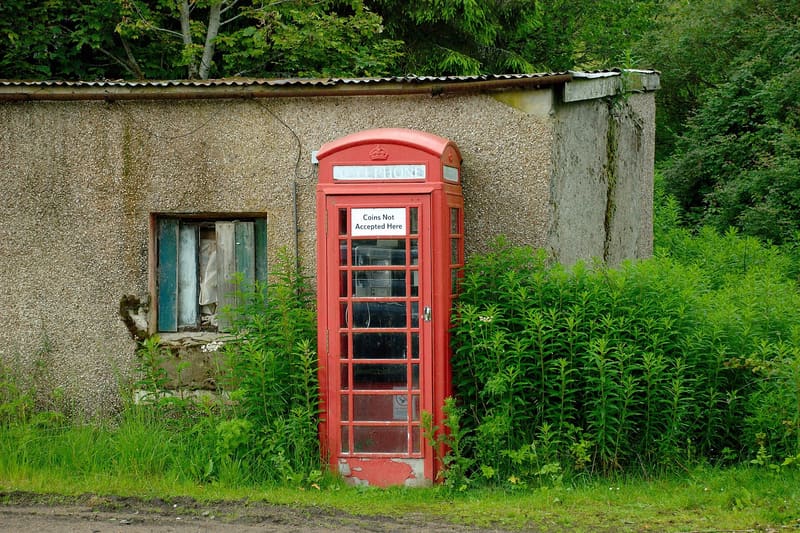
Karora — Public domain — Wikimedia Commons This is the one that separates the decades. You left the house, and until you came back, nobody could reach you. Not your parents, not your friends, not work. You agreed a time and a place in advance, and then you turned up, because there was no way to change the plan. It is the thing people who did not live through it find hardest to picture, and the thing people who did miss most.


_with_large_CRT_monitor_displaying_a_window_of_IRIX_operating_system.jpg)


.jpg)

.jpg)


The odd part is how quickly all of it went. Most of these things were completely ordinary in 1996 and almost entirely gone by 2006 — one decade to appear, one decade to vanish.
Where this came from
- History of the compact cassette — Science Museum Group (Background on cassette formats and home taping.)
- A short history of the disposable camera — National Science and Media Museum
Read next
 Countdown
 Ten Things Everybody Did Online in 2004 That Nobody Does Now
Burned CDs, away messages and the family computer in the hallway: ten online habits from the mid-2000s that have disappeared completely.
 Countdown
 Twelve Things That Lived in an Ordinary 1980s Bedroom
The poster, the radio-cassette, the pencil case with a combination lock: twelve objects that were in almost every 1980s bedroom and are now in almost none.
 Countdown
 Twelve Playground Rules That Every School Somehow Shared
Nobody wrote them down, nobody taught them, and yet children hundreds of miles apart played by the same rules. Twelve of them, and why they spread.