
Childhood Memories Countdown
Twelve Playground Rules That Every School Somehow Shared
Nobody wrote them down, nobody taught them, and yet children hundreds of miles apart played by the same rules. Twelve of them, and why they spread.

Playground culture is one of the few genuinely oral traditions left in a literate society. The rules are not written down anywhere, are not taught by adults, and yet they are remarkably consistent across enormous distances.
They also change slowly. Researchers who have recorded playground games over decades find the same structures surviving with local variations in wording, exactly the way dialects behave.
Here are twelve of them, counting up to the one that explains how the rest travel.
-
Number 12: Calling it, and it counting
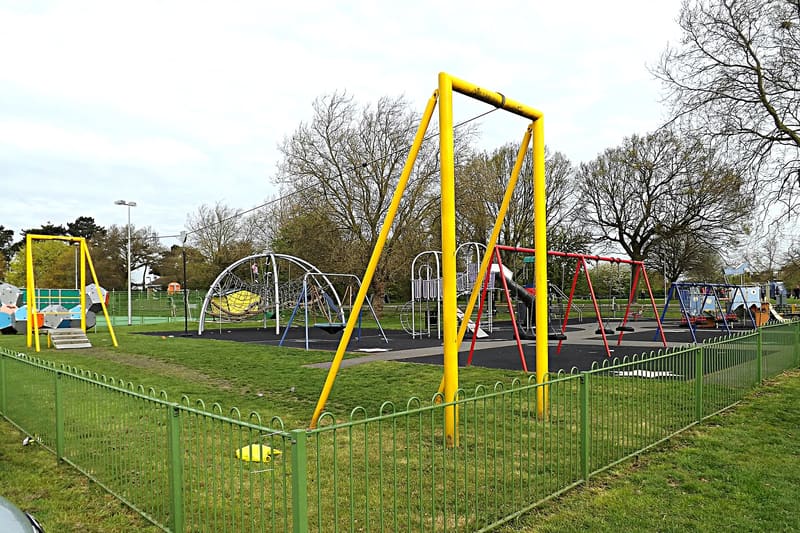
Geographer — CC BY-SA 2.0 — Wikimedia Commons Saying a word first gave you a claim that everyone honoured, whether it was a seat, a turn or a colour. There was no appeal, and there was no adult involved.
-
Number 11: The rule about crossing your fingers
Illustration: World of Curious A promise made with crossed fingers did not count, provided the fingers were visible afterwards. This produced long arguments about whether anyone had actually seen them.
-
Number 10: Counting-out rhymes to pick who was on
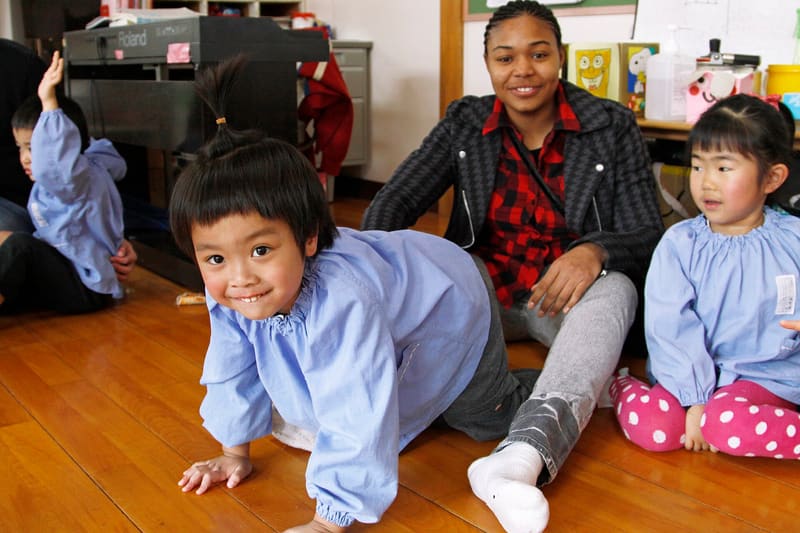
Creator unknown — Public domain — Wikimedia Commons A rhyme, a pointing finger, one syllable per person. Several versions existed regionally, and children knew instinctively which one their school used.
-
Number 9: The truce word
Illustration: World of Curious One word that paused any game instantly, so you could tie a lace or catch your breath. It varied enormously by region, which is one of the best-documented facts about playground culture.
-
Number 8: Two touches on the wall meant safe

Simon Cobb — CC0 — Wikimedia Commons Safe zones were negotiated at the start and defended vigorously afterwards, usually by people who had just reached them.
-
Number 7: Nobody was ever allowed to be on twice
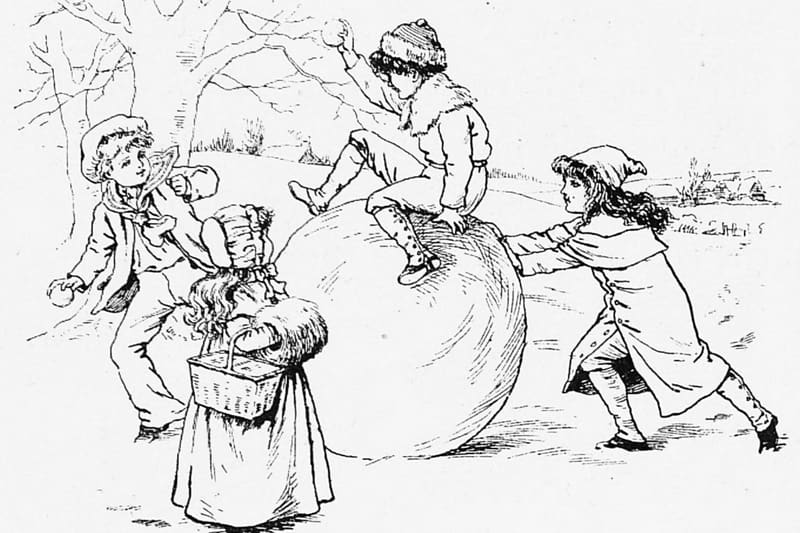
Creator unknown — Public domain — Wikimedia Commons The person who had just been it could not be it again immediately, however obviously they had been caught. This was treated as a matter of natural justice.
-
Number 6: The swap had to be agreed before the reveal
Illustration: World of Curious Cards, stickers, marbles. Once you had seen what you were getting, the deal was closed. Attempting to renegotiate afterwards damaged your standing for weeks.
-
Number 5: Standing on a drain was unlucky

Billie Grace Ward from New York, USA — CC BY 2.0 — Wikimedia Commons Along with cracks in the pavement and certain paving slabs. The specific superstition varied; the seriousness with which it was observed did not.
-
Number 4: First-come rules on equipment
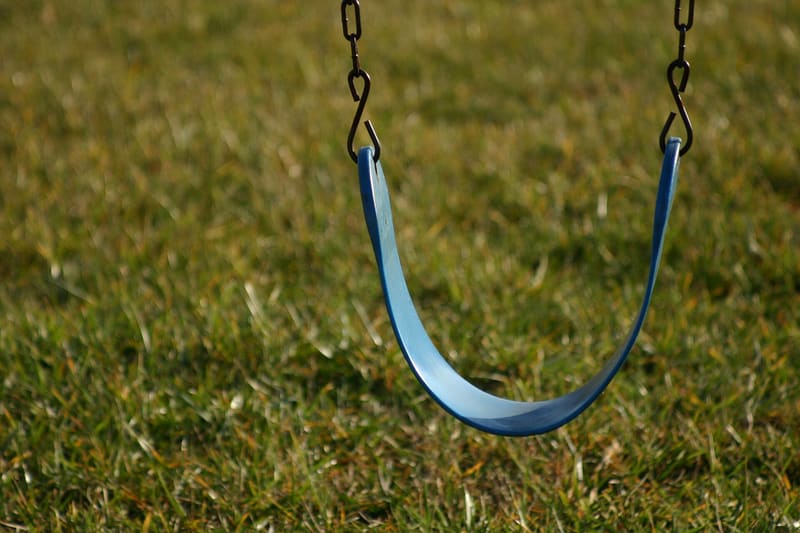
Mschel — Public domain — Wikimedia Commons The swing, the good bit of wall, the corner where the ball did not roll away. All allocated by arrival time, all defended by the person who had arrived first.
-
Number 3: The bell did not end the argument

Larry D. Moore — CC BY 4.0 — Wikimedia Commons Games stopped when the bell went, but disputes carried over to the next break, and sometimes to the next day, with the details remembered perfectly by both sides.
-
Number 2: You could not laugh at someone who was hurt

Scraped Knee — CC BY 2.0 — Wikimedia Commons A strict and universally observed rule, with one exception: if the person themselves laughed first, everyone else was released.
-
And the strangest one of the lot
Number 1: The rules were whatever the oldest child said they were
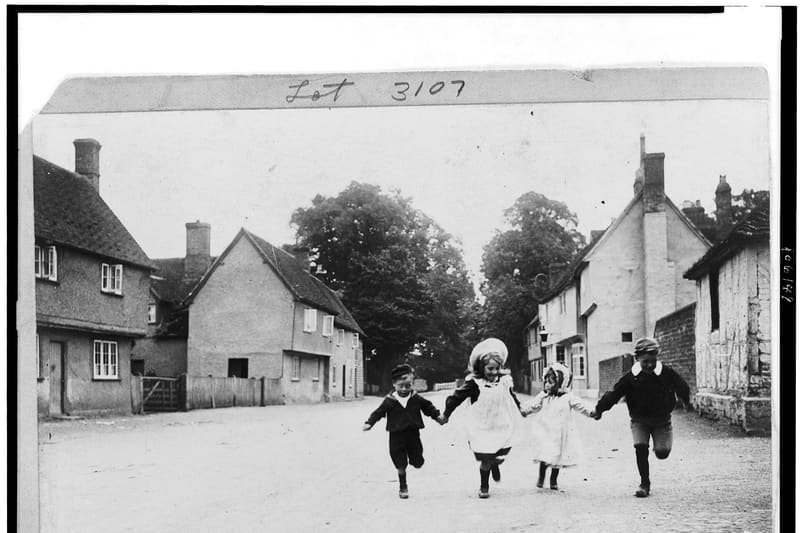
Miscellaneous Items in High Demand, PPOC, Library of Congress — Public domain — Wikimedia Commons This is the one that explains all the others. Playground games are passed down, not taught, and the transmission is almost entirely from slightly older children to slightly younger ones. That is why the same rule turns up in schools hundreds of miles apart with small local variations, and why it changes so slowly. A game a ten-year-old learns at six is a game they will still be teaching at ten, and by then a whole new set of six-year-olds is learning it. Folklorists have studied this for well over a century and the mechanism has barely changed.


_With_Playground_Wall_To_Front_And_Side.jpg)

.jpg)


The interesting part is not that children invent rules. It is that they enforce them so carefully, without anyone checking.
Where this came from
- Childhood and play collections — V&A Museum of Childhood
- Research on children's playground games and rhymes — British Library (The British Library holds recordings and studies of children's folklore, including regional variation in playground rules.)
Read next
 Countdown
 15 Things From a 1970s Kitchen Younger People Might Not Recognise
Fifteen objects that sat on the bench, in the drawer or under the sink of an ordinary 1970s kitchen, and what each one was actually for.
 Quiz
Quiz Which Toy Came First? A Quiz That Catches Almost Everyone Out
Eight pairs of famous toys and games. One in each pair is far older than most people assume. Can you pick the right one every time?
 Countdown
 Twelve Things That Lived in an Ordinary 1980s Bedroom
The poster, the radio-cassette, the pencil case with a combination lock: twelve objects that were in almost every 1980s bedroom and are now in almost none.