
70s Nostalgia Countdown
15 Things From a 1970s Kitchen Younger People Might Not Recognise
Fifteen objects that sat on the bench, in the drawer or under the sink of an ordinary 1970s kitchen, and what each one was actually for.

A kitchen is a good place to date a decade, because almost nothing in it is chosen for show. It is all chosen to solve a problem, and when the problem goes away, the object goes with it.
The 1970s kitchen was the last one built around a set of assumptions that no longer hold: that bread went stale in two days, that butter lived on the bench, that a washing machine needed supervising, and that somebody was at home during the day to do all of it.
Here are fifteen of those objects, counting up to the one that explains the decade best.
-
Number 15: The pressure cooker with the rattling weight
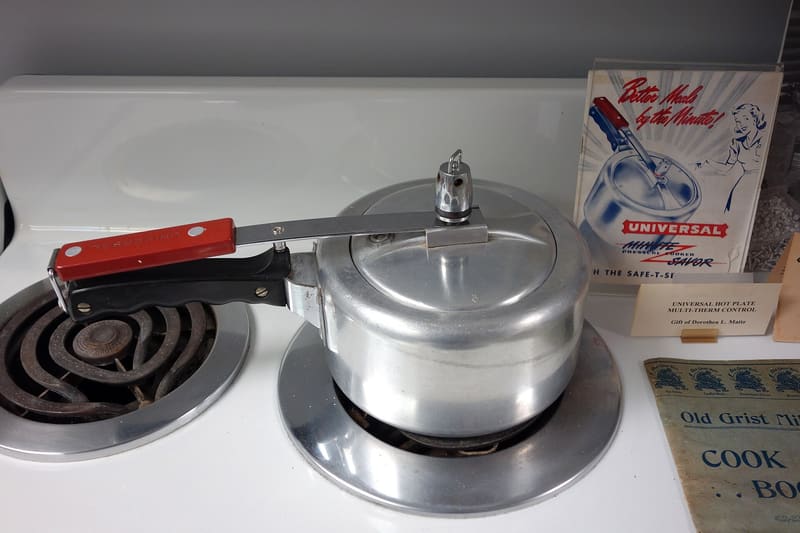
Daderot — CC0 — Wikimedia Commons A heavy pot with a small metal weight that jiggled and hissed on top. When it got going it was the loudest object in the house, and every family had one story about the lid, usually involving a ceiling. They never really went away, but the modern ones are quiet and sealed, which removes most of the drama.
-
Number 14: The tin opener that was basically a blade on a handle
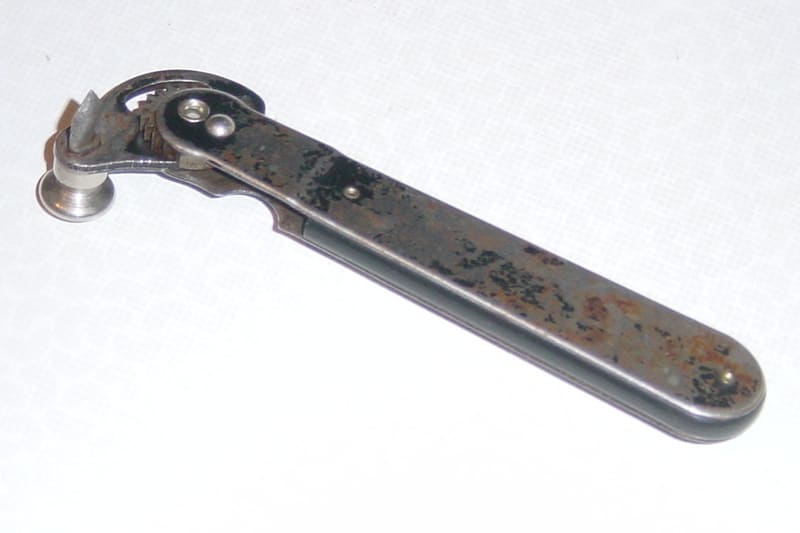
ProfessorX — Public domain — Wikimedia Commons Before the smooth-edge opener there was a simple lever with a cutting point that you worked around the rim in short, aggressive stabs. It left a lid like a saw blade, which is why everyone was told never to reach into an opened tin.
-
Number 13: The bread bin that held actual bread
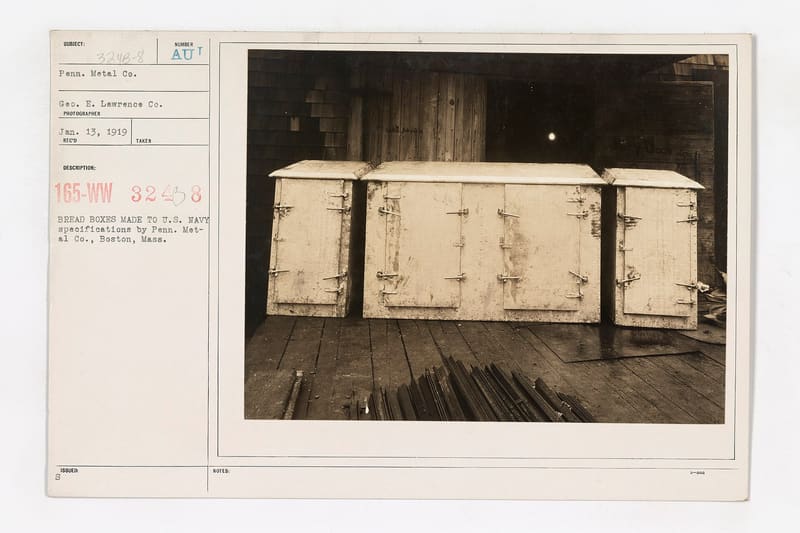
War Department. 1789-9/18/1947 — Public domain — Wikimedia Commons A metal or wooden box on the bench, with a roll-top or a hinged lid, holding a loaf that had come from a baker and would be stale in two days. It existed because bread was bought unwrapped and needed somewhere dark and dry to sit.
-
Number 12: The hand-cranked rotary beater
Illustration: World of Curious Two beaters, one big cog and a handle, powered entirely by the arm of whoever drew the short straw. Electric mixers existed, but they were expensive, so plenty of kitchens whipped cream the hard way well into the decade.
-
Number 11: The melamine dinner service
Tati Photo Studios, Jakarta — Public domain — Wikimedia Commons Almost unbreakable plates in bold oranges, browns and greens, often with a pattern that has since become extremely collectable. They scratched, they stained, and they made a distinctive clatter that no ceramic plate has ever matched.
-
Number 10: The potato ricer
Illustration: World of Curious A giant hinged garlic press for potatoes, producing a pile of fine strands that made lighter mash than any masher could. It disappeared from most kitchens and then reappeared in cookery programmes decades later, as though it were new.
-
Number 9: The fondue set nobody used twice
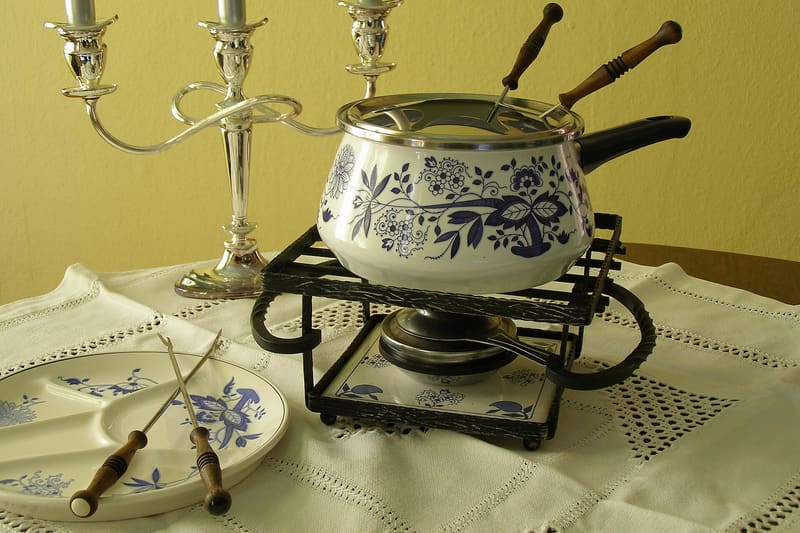
jkb — CC BY 2.5 — Wikimedia Commons A ceramic or enamelled pot, a tiny burner, long forks with colour-coded handles. It came out for one dinner party, lived in the back of a cupboard for fifteen years, and ended up at a jumble sale in the 1990s.
-
Number 8: The glass butter dish with a lid
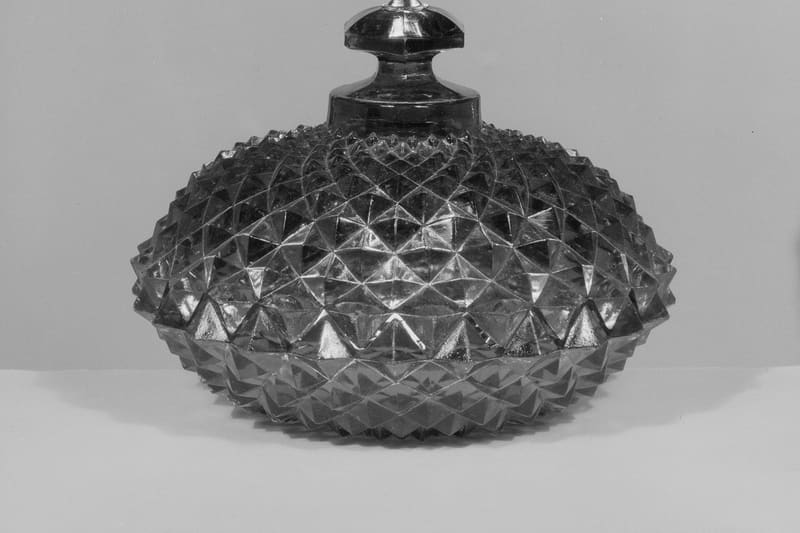
Creator unknown — CC0 — Wikimedia Commons Butter sat on the bench rather than in the fridge, in a dish with a fitted lid to keep flies off and keep it spreadable. Central heating and different food-safety advice gradually moved it indoors, and the dish went with it.
-
Number 7: The pyramid-shaped tea infuser
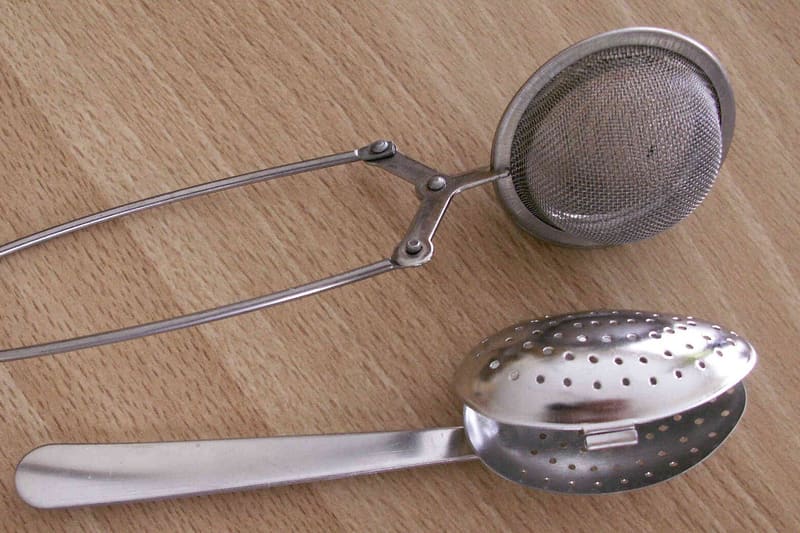
KVDP — Public domain — Wikimedia Commons A perforated metal ball or spoon on a chain, for loose tea. Tea bags existed and were spreading fast, but plenty of households still measured leaves into a pot, and the infuser was the compromise for a single cup.
-
Number 6: The soda siphon
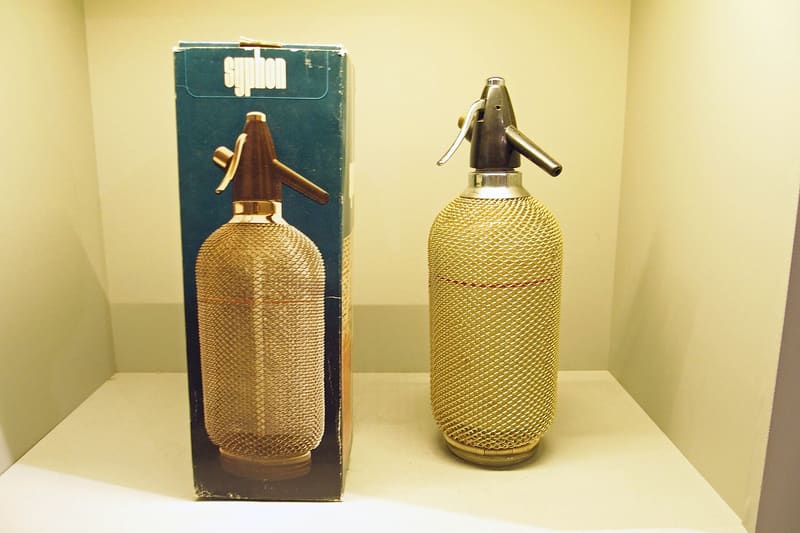
Kotivalo — CC0 — Wikimedia Commons A heavy glass or metal bottle with a lever on top that delivered fizzy water under pressure. It was a piece of drinks-cabinet theatre more than a practical object, and it had a particular sound that anyone who grew up near one can still reproduce.
-
Number 5: The egg coddler
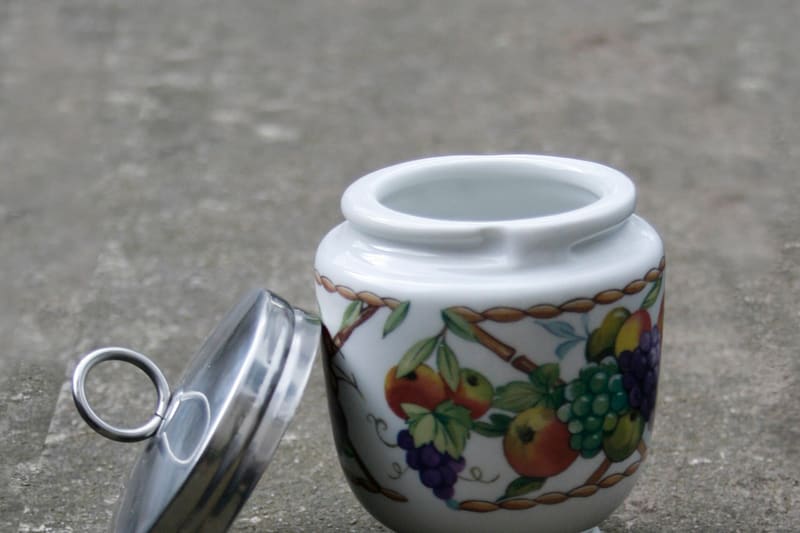
Sozi — Public Domain — Wikimedia Commons A small lidded porcelain pot for cooking an egg gently in hot water. Enormously fiddly, produced a texture somewhere between poached and baked, and existed in a lot of kitchens because someone had been given one as a present.
-
Number 4: The knife sharpener screwed to the wall
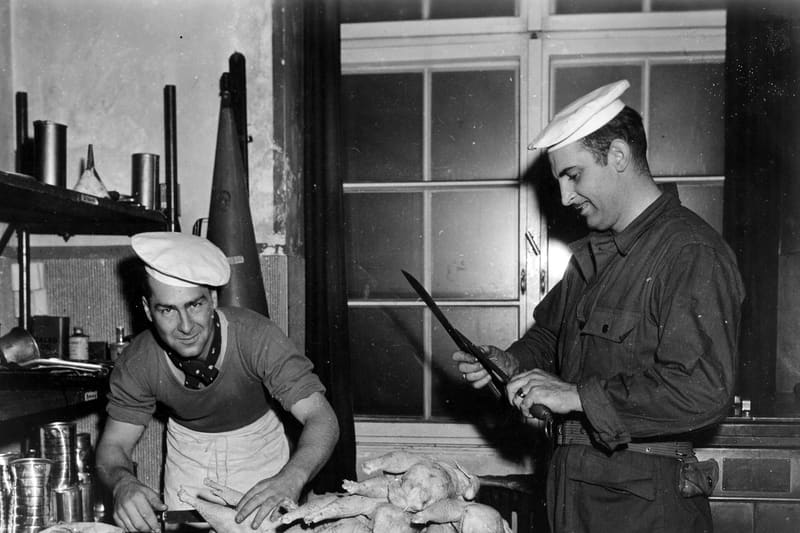
Signal Corps Archive from United States — Public domain — Wikimedia Commons Two crossed steel wheels in a bracket, mounted by the back door. You drew the blade through it a few times, it made a sound like a small machine shop, and the knife was sharp enough for another week.
-
Number 3: The kitchen scales with brass weights
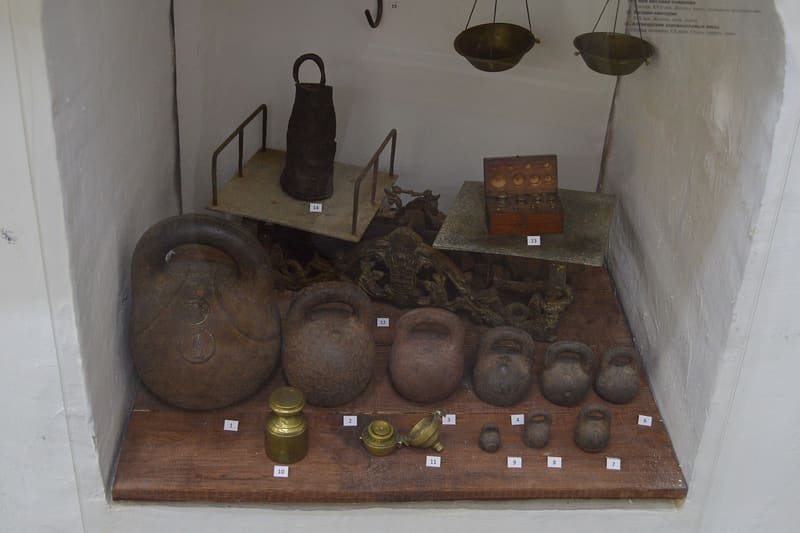
Лапоть — CC0 — Wikimedia Commons A balance with a pan on one side and a nest of weights on the other, kept in order from a quarter of an ounce upwards. Losing one weight made the whole set awkward, which is why so many surviving sets are incomplete.
-
Number 2: The stovetop whistling kettle
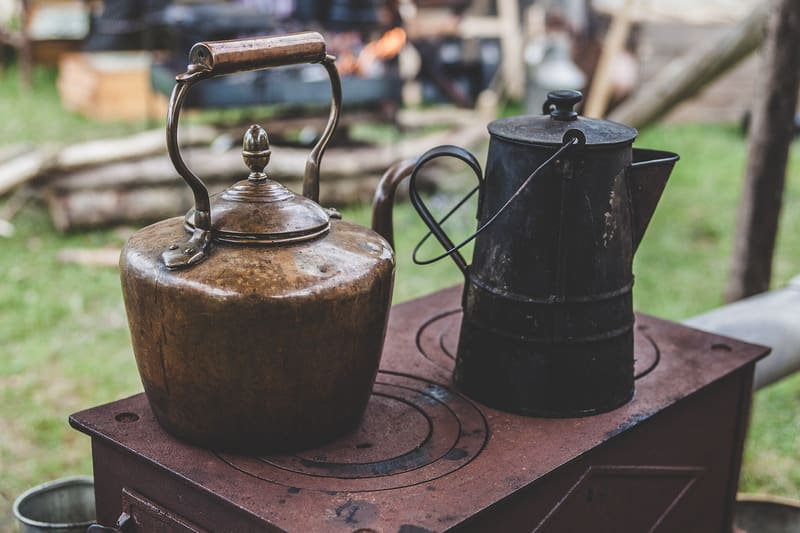
Clem Onojeghuo clemono2 — CC0 — Wikimedia Commons No element, no switch, no automatic cut-off. It sat on the hob and screamed until somebody moved it. Electric kettles took over in most kitchens, and then the stovetop kettle came back as a design object at roughly ten times the price.
-
And the strangest one of the lot
Number 1: The twin-tub washing machine parked by the sink
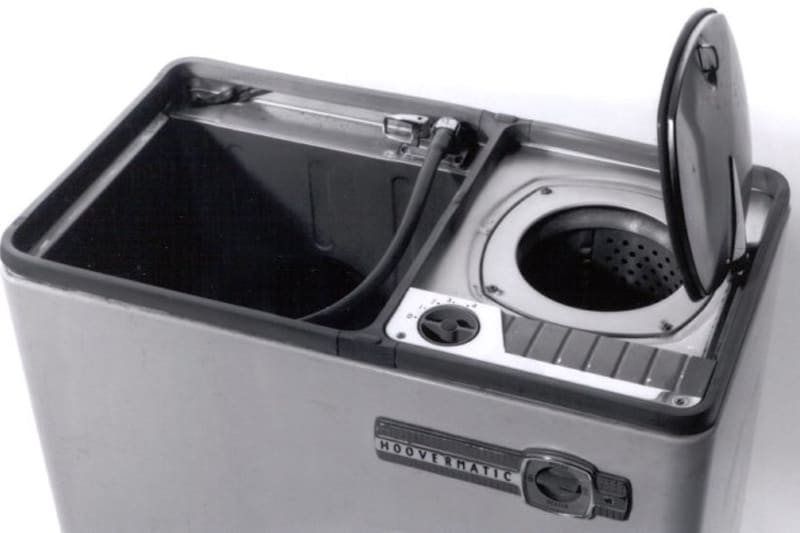
National Museum of Finland — CC BY 4.0 — Wikimedia Commons Not strictly a kitchen tool, but it lived in the kitchen, because that was where the taps were. One tub washed, the other spun, and you moved the wet clothes between them by hand with a pair of wooden tongs. It had to be wheeled to the sink, filled with a hose, and drained into the same sink afterwards, which meant washing day genuinely took a day. Automatic machines existed and were arriving fast, but the twin tub is the object that best explains how much time the decade spent on housework.


.jpg)


.jpg)

.jpg)
.jpg)
The pattern is worth noticing: the things that vanished completely were the ones that took effort, and the things that came back were the ones that were simply well designed.
Where this came from
- Kitchen and household collections — Science Museum Group (Background on domestic appliances and utensils of the period.)
- Home and domestic life collections — Museums Victoria
Read next
 Countdown
 Twelve Things That Lived in an Ordinary 1980s Bedroom
The poster, the radio-cassette, the pencil case with a combination lock: twelve objects that were in almost every 1980s bedroom and are now in almost none.
 Countdown
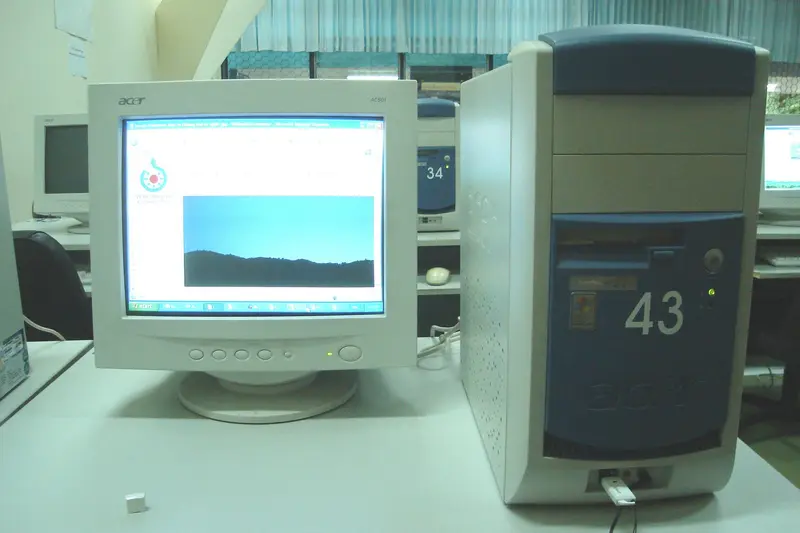
 Ten Things Everybody Did Online in 2004 That Nobody Does Now
Burned CDs, away messages and the family computer in the hallway: ten online habits from the mid-2000s that have disappeared completely.
 Countdown
 Fifteen Objects That Were in Every House and Are Now in Almost None
Not antiques. Ordinary things, so common that nobody photographed them, which is exactly why they are so hard to picture now.