
2000s Nostalgia Countdown
Ten Things Everybody Did Online in 2004 That Nobody Does Now
Burned CDs, away messages and the family computer in the hallway: ten online habits from the mid-2000s that have disappeared completely.

There is a short window, roughly 2001 to 2007, when the internet was fast enough to be genuinely useful and slow enough to still feel like a place you visited. Almost every habit from that window has now gone.
None of these disappeared because anyone decided to stop. They disappeared because one device arrived that made all of them unnecessary at once.
Here are ten of them, counting up to the one that changed everything else.
-
Number 10: Putting the computer in the hallway
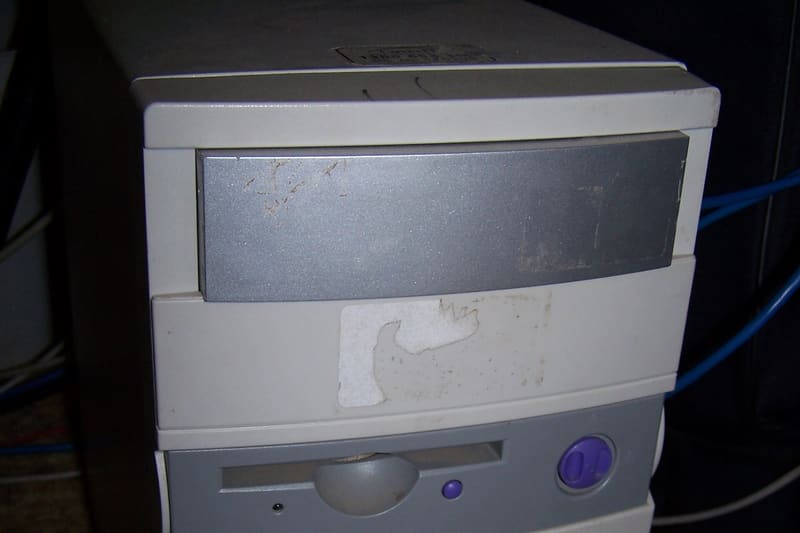
TheJosh — Public domain — Wikimedia Commons It was a family object, not a personal one, and it lived somewhere public on purpose. Half of the internet experience of the era was conducted standing up, with someone walking past.
-
Number 9: Burning a CD for someone

Asanagi — CC0 — Wikimedia Commons Eighty minutes, chosen carefully, written on the disc in marker. The order of the tracks was the message, and getting it wrong was noticed.
-
Number 8: Setting an away message
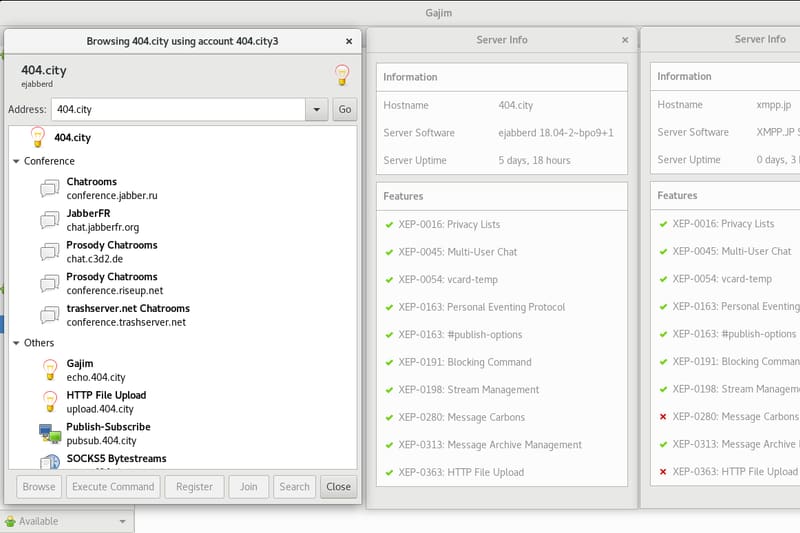
Nanane94 — CC BY-SA 4.0 — Wikimedia Commons A line of text telling everyone on your contact list that you had gone out, or were doing homework, or were in a mood about something. Statuses replaced them and made them permanent.
-
Number 7: Waiting for a single image to load
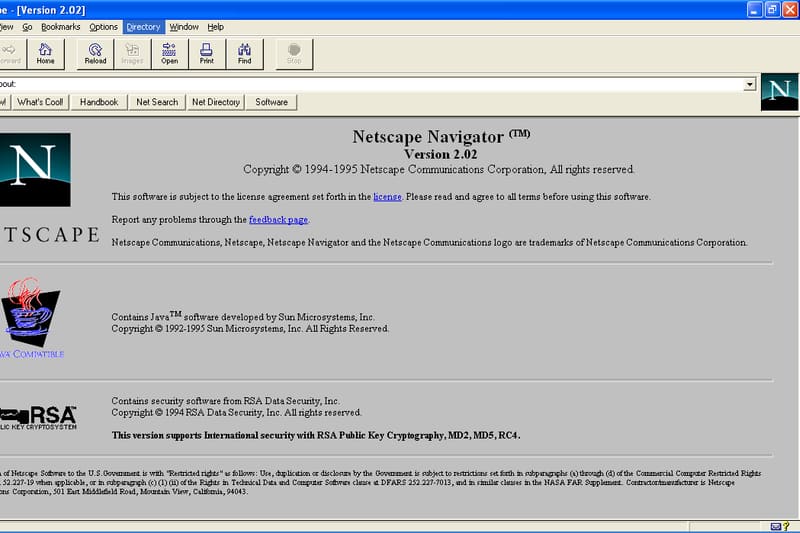
Indolering — CC0 — Wikimedia Commons Photographs arrived in horizontal bands from the top down, slowly enough that you could usually tell whether it was worth waiting for before it finished.
-
Number 6: Keeping your files on a memory stick
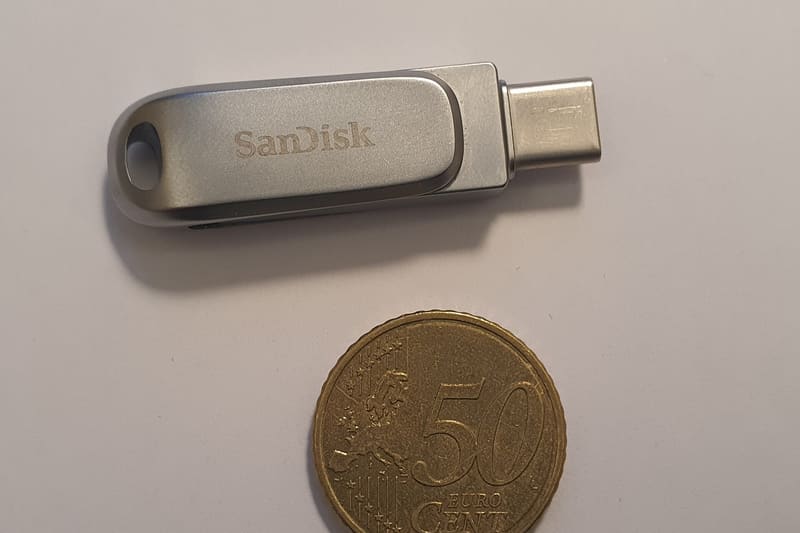
EU+Mexico — CC0 — Wikimedia Commons A small plastic object on a keyring holding the only copy of everything that mattered, regularly left in a computer at school or work and retrieved in a panic.
-
Number 5: Checking whether the phone line was free
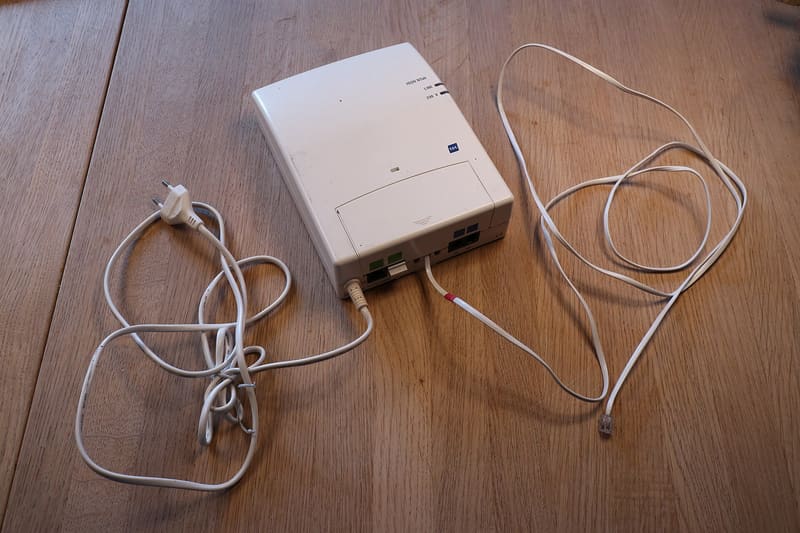
Fod — CC BY 2.5 dk — Wikimedia Commons Broadband was spreading, but plenty of households were still dialling up, which meant negotiating with everyone else about who needed the phone and when.
-
Number 4: Using a website exactly as wide as your screen
Illustration: World of Curious Layouts were fixed, usually 800 or 1024 pixels wide, and sat in the middle of the window with grey margins. Nothing reflowed, because nothing needed to.
-
Number 3: Signing a guestbook

Staff Sgt. Steve Cortez — Public domain — Wikimedia Commons Personal sites had a page where visitors left a message to prove they had been. It was a visitor counter with sentences, and it made the early web feel like somebody's front room.
-
Number 2: Printing directions before leaving the house
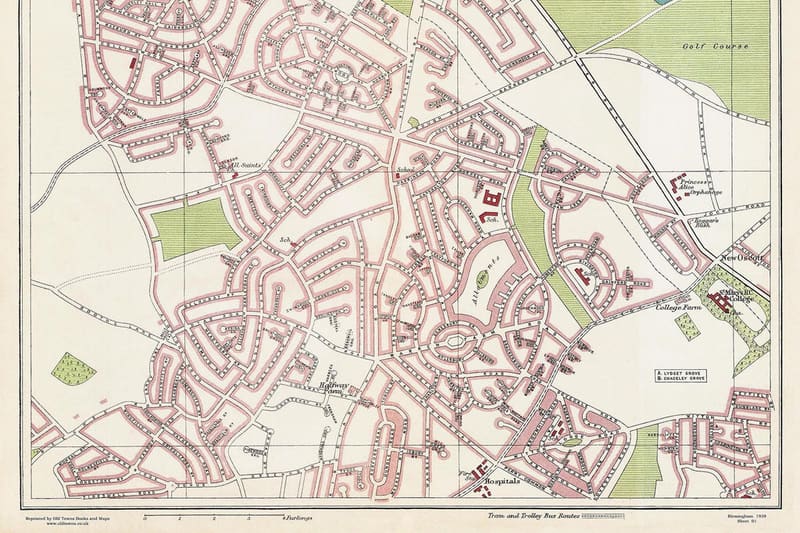
Anonymous Unknown author — Public domain — Wikimedia Commons You looked up the route, printed two pages of instructions, and then followed them from the passenger seat. Getting lost meant stopping and reading, because there was no live map.
-
And the strangest one of the lot
Number 1: Going offline
Illustration: World of Curious This is the one that has genuinely gone. Being online was an activity with a beginning and an end: you sat down, you connected, you did the thing, and then you disconnected and the internet stopped existing until next time. There was no notification waiting, because there was nothing to notify. The whole experience had edges, and the edges are what disappeared.


The 2000s are recent enough that most of this feels like last week, which is exactly what makes it strange when you list it out.
Where this came from
- Computing and networks collections — Science Museum Group
- History of the compact disc — National Science and Media Museum
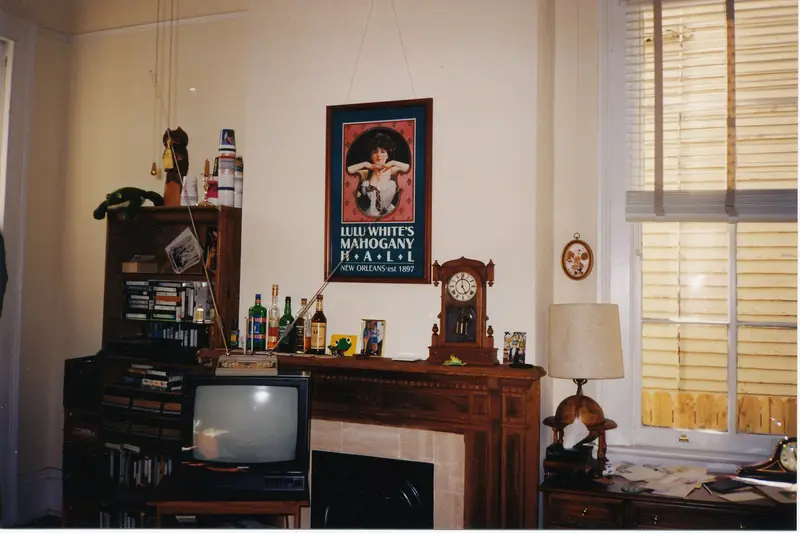
Read next
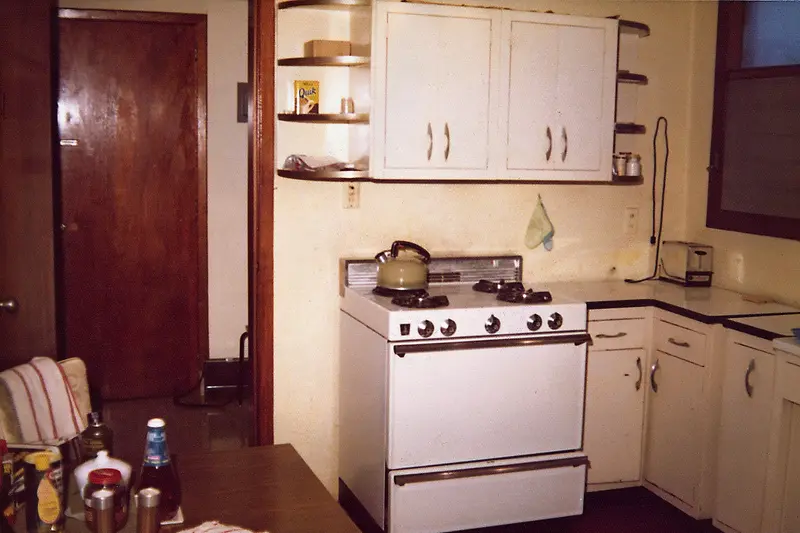 Countdown
 15 Things From a 1970s Kitchen Younger People Might Not Recognise
Fifteen objects that sat on the bench, in the drawer or under the sink of an ordinary 1970s kitchen, and what each one was actually for.
 Countdown
 Twelve Things That Lived in an Ordinary 1980s Bedroom
The poster, the radio-cassette, the pencil case with a combination lock: twelve objects that were in almost every 1980s bedroom and are now in almost none.
 Countdown
 Fifteen Objects That Were in Every House and Are Now in Almost None
Not antiques. Ordinary things, so common that nobody photographed them, which is exactly why they are so hard to picture now.