
Celebrity Trivia Trivia
Ten Jobs Famous People Had Before They Were Famous
Career facts rather than gossip: the documented jobs, trades and professions that well-known people held before the work they are known for.

Celebrity trivia is an area where accuracy matters and is often absent, so this category sticks to one kind of fact: documented career history.
No private life, no invented quotations, nothing that rests on a single unsourced claim. Just what people did for a living before they did the thing they are known for.
Ten of them below, counting up to the pattern underneath.
-
Number 10: Teaching, which turns up constantly
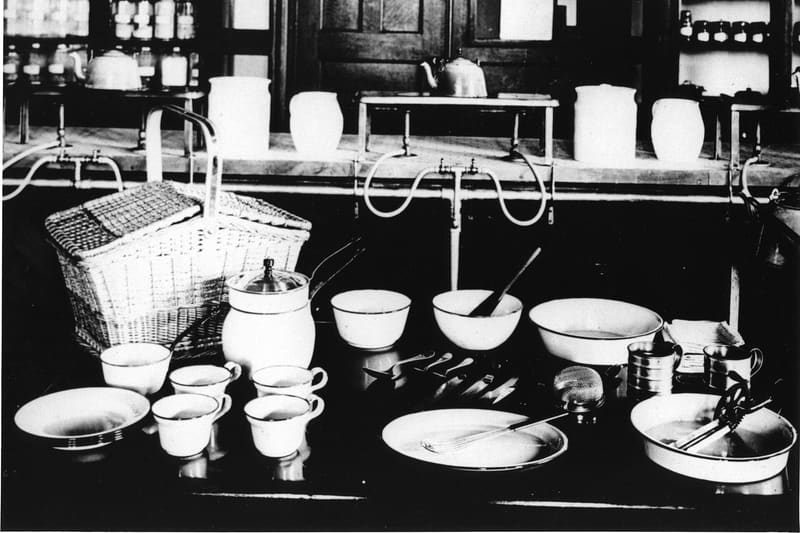
Creator unknown — Public domain — Wikimedia Commons A striking number of performers, writers and musicians trained or worked as teachers first. The reasons are practical: it was a route into secure employment for people from backgrounds without money, and the timetable left evenings and holidays free for other work.
-
Number 9: The trades
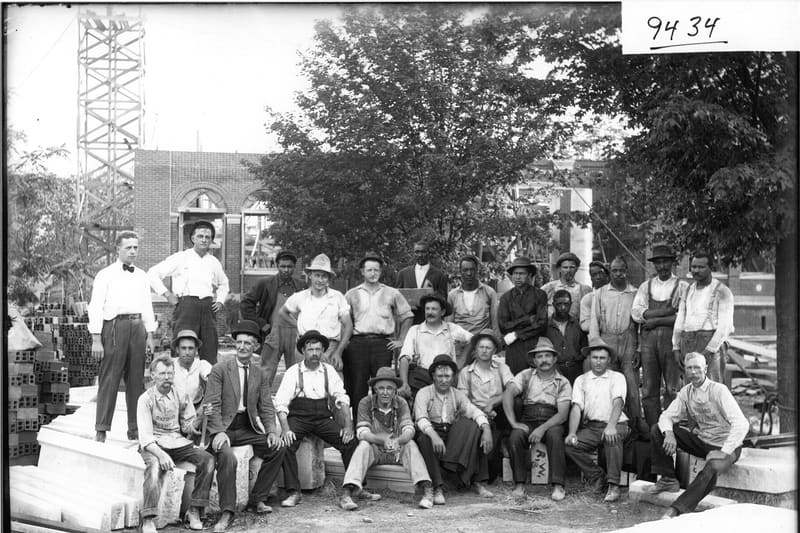
Snyder, Frank R. Flickr: Miami U. Libraries - Digital Collections — Public domain — Wikimedia Commons Bricklaying, plumbing, carpentry and electrical work appear frequently in the early biographies of musicians in particular, because apprenticeships were a normal path and the work was compatible with playing in the evening.
-
Number 8: Merchant shipping and the armed forces

U.S. Navy photo by Ensign Elizabeth Tree — Public domain — Wikimedia Commons For several generations, national service or a period at sea was simply part of the record for a large share of the male population, and it appears in the biographies of an enormous number of people who became known for something else entirely.
-
Number 7: Clerical and secretarial work
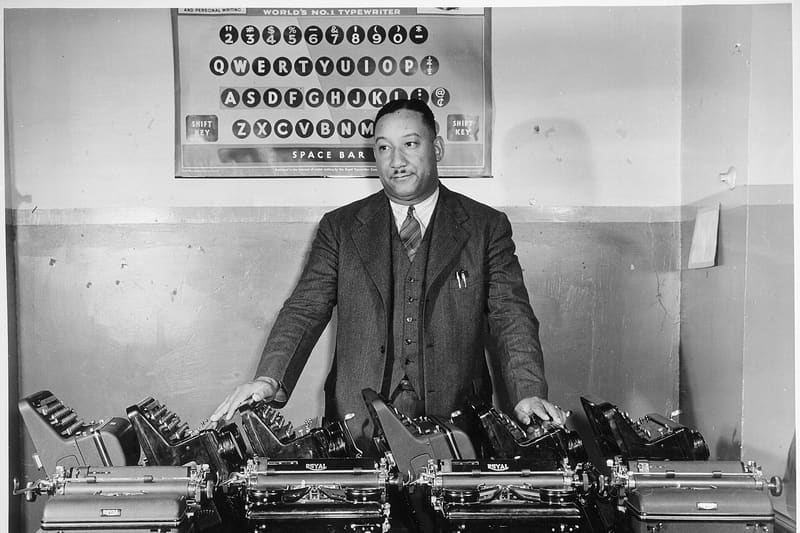
Creator unknown — Public domain — Wikimedia Commons Office work was the most common first job for women entering the workforce for much of the twentieth century, and it turns up in the early career records of many writers and performers, often alongside evening classes.
-
Number 6: Nursing and care work
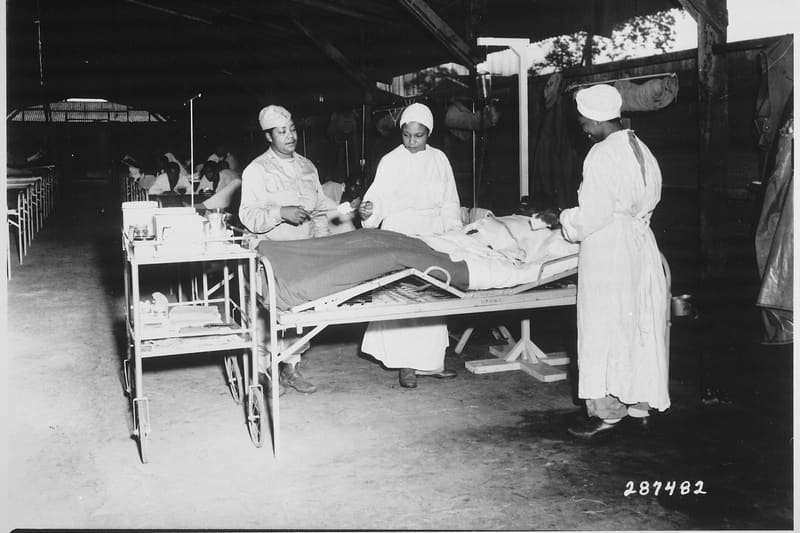
Creator unknown — Public domain — Wikimedia Commons Another route that combined training, secure employment and shift patterns that left daytime free, which made it compatible with auditions and study.
-
Number 5: Driving
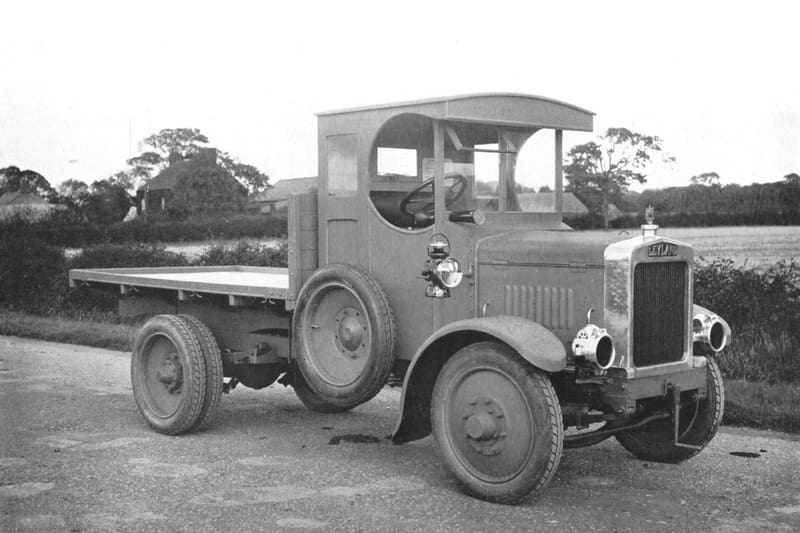
Unknown uncredited photographers. Some photographs are well-known as — Public domain — Wikimedia Commons Lorry driving, delivery and taxi work appear repeatedly, and for the same reason as the trades: the hours are flexible, the work is available, and it does not require a long training period.
-
Number 4: Retail and hospitality

Kartoman — CC0 — Wikimedia Commons The most common category of all, and the least remarked on. Shop work, bar work and waiting tables are the default first jobs for people trying to establish themselves in any performing field, and they still are.
-
Number 3: Advertising and copywriting
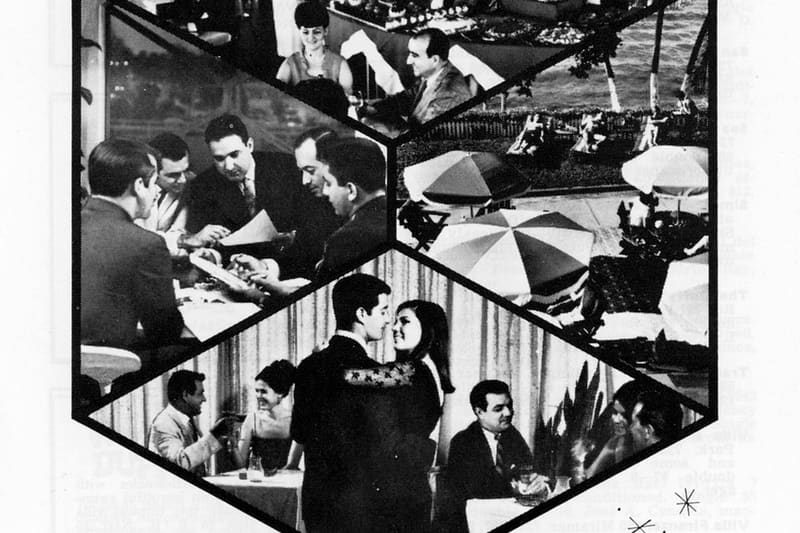
Creator unknown — Public domain — Wikimedia Commons A recognised route into writing careers for much of the twentieth century, because it paid, it was competitive enough to be a genuine training, and it taught concision.
-
Number 2: The family business

Michael Garlick — CC BY-SA 2.0 — Wikimedia Commons Butchers, bakers, market traders, publicans and farmers appear constantly. In periods with less educational mobility, the default assumption was that a child joined the family trade, and leaving it was the notable act.
-
And the strangest one of the lot
Number 1: Why this pattern is the actual story
Illustration: World of Curious Individual first jobs make good trivia, but the aggregate is more interesting. The jobs that recur — teaching, nursing, the trades, office work, hospitality — are almost all jobs with either a reliable training route or flexible hours. That is not a coincidence. It is what it looks like when people without family money try to build a career in an insecure field: you need something that pays now and leaves a gap for the thing you are actually trying to do. The biographies where the first job is nothing at all, because the family could support several years of unpaid attempts, are a different and much smaller category, and they tend to belong to a particular social background. Read enough of these lists and you are really reading a history of who could afford to try.


.jpg)
.jpg)


_VI.jpg)


The safest trivia is career trivia: it is documented, it is uncontroversial, and it is usually more interesting than gossip.
Editor's note: This category sticks to documented career facts. We do not publish speculation about anybody's private life, and we do not fabricate quotations.
Where this came from
- Biographical records and career histories — Encyclopaedia Britannica
- Oral history and career interviews collections — British Library
- Performing arts collections — Victoria and Albert Museum
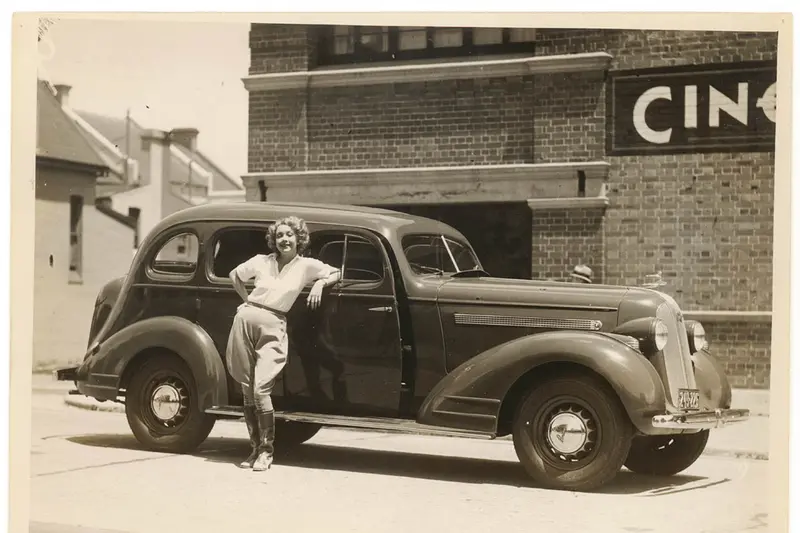
Read next
 Explainer
 Ten Television Formats That Were Invented Once and Never Improved
The quiz, the soap, the sitcom, the makeover and the panel show. Where each format came from, and why almost every one of them arrived from radio.
 Countdown
 Nine Books That Were Nearly Very Different
Rejected manuscripts, changed titles, altered endings and pen names. Nine publishing decisions that reshaped books everybody now knows in one form only.
 Explainer
 How the Hollywood Studio System Actually Worked
Contracts, loan-outs, block booking and a publicity department that invented biographies. The industrial machinery behind the glamour, explained.