
Victorian Life Countdown
Eight Everyday Victorian Habits That Seem Bizarre Now
Mourning rules, post-mortem photographs, arsenic wallpaper and a bathing machine. Eight Victorian habits, and the entirely logical reasons behind each one.

The Victorians are close enough that their houses are still standing and their photographs still look like people, which makes the habits that seem strange feel stranger than they otherwise would.
None of it was irrational. Every item below solved a real problem — signalling grief, keeping a likeness, managing an expanding social world, relieving pain — using the materials, technology and knowledge available at the time.
Eight of them, counting up to the one that explains the others.
-
Number 8: Mourning dress with a published timetable
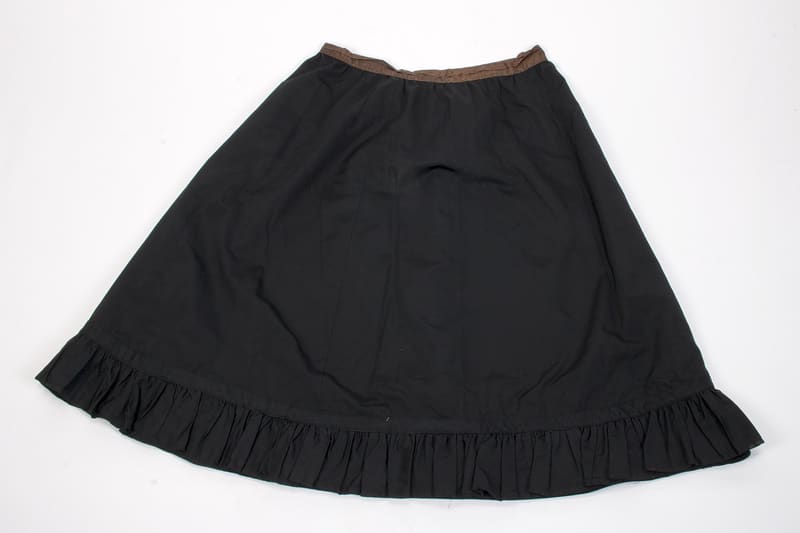
Creator unknown — CC BY 4.0 — Wikimedia Commons Widows were expected to wear full black for a fixed period, then move through half-mourning in greys and purples. The rules were specific enough to be printed in etiquette manuals, and the whole system was an efficient way of signalling to strangers how to treat you.
-
Number 7: Photographing the dead
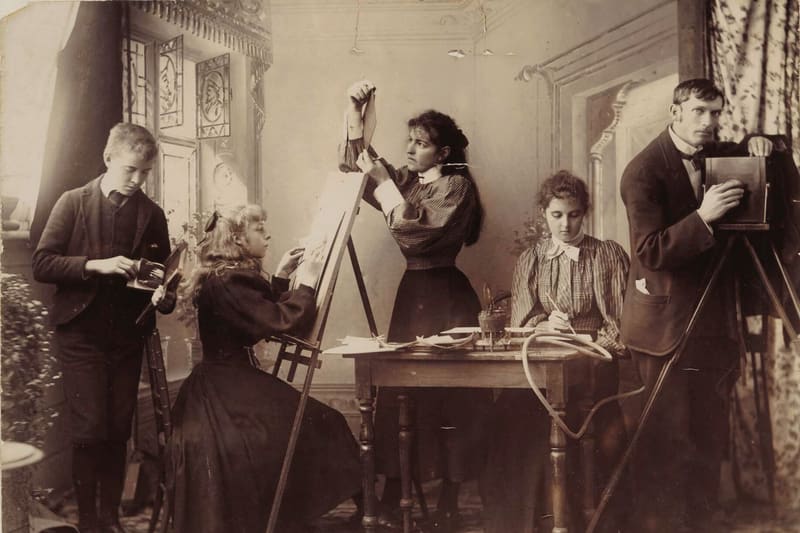
Creator unknown — Public domain — Wikimedia Commons Post-mortem photography was a normal part of mourning. Photographs were expensive and many families had never had one taken; when a relative died, particularly a child, it was often the only chance to have a likeness at all.
-
Number 6: Green wallpaper made with arsenic
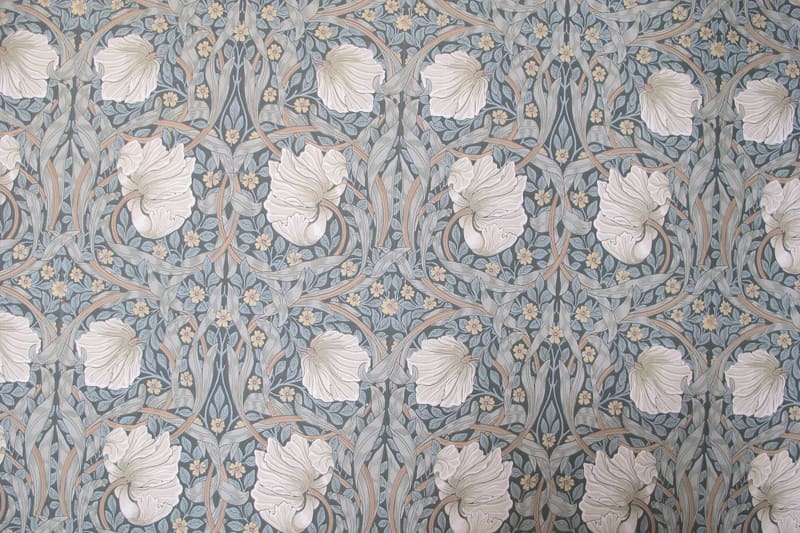
David Hawgood — CC BY-SA 2.0 — Wikimedia Commons Scheele's green and related pigments contained arsenic compounds and were enormously popular. Concerns about illness in rooms hung with the paper were raised during the period and argued over publicly. Manufacturers largely stopped only when public pressure and alternatives made it commercially necessary.
-
Number 5: Bathing machines
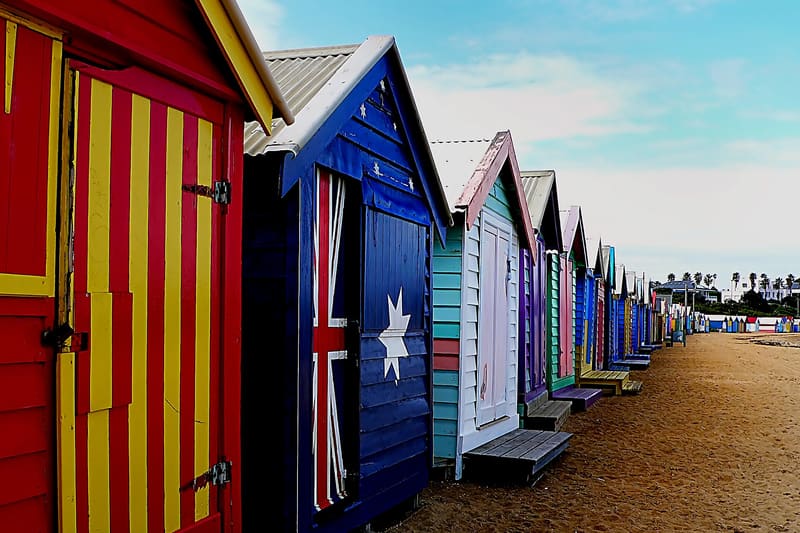
Bernard Spragg. NZ from Christchurch, New Zealand — CC0 — Wikimedia Commons Wheeled huts towed into the sea so that a swimmer could enter the water without being seen from the beach. They existed because of strict expectations about modesty in public, and they disappeared as those expectations changed.
-
Number 4: Hair jewellery
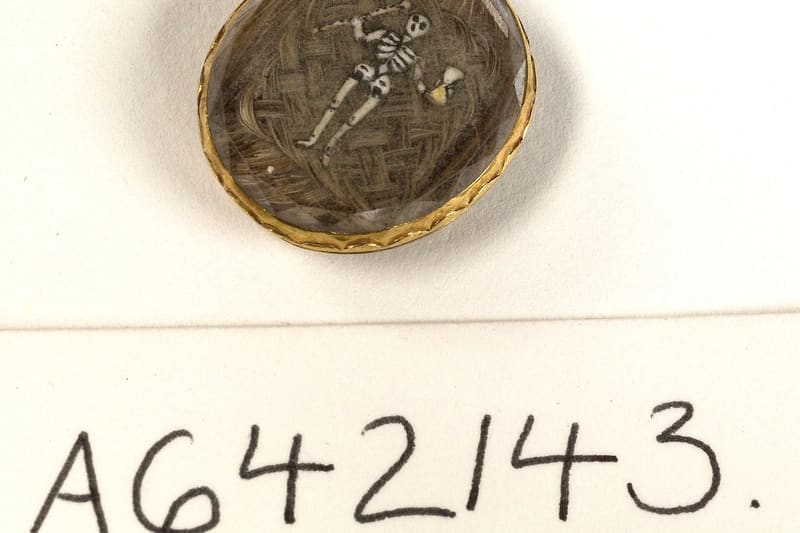
Creator unknown — CC BY 4.0 — Wikimedia Commons Lockets, brooches and bracelets woven from the hair of a relative, living or dead. It reads as macabre now, but hair is durable and personal, and in a period with no photographs for most people it was a direct physical keepsake.
-
Number 3: Calling cards and the rules for leaving them
Illustration: World of Curious A visitor left a card, and the way it was folded or presented carried meaning. It functioned as a formal system for managing social contact in cities where the middle class was expanding rapidly and nobody knew each other.
-
Number 2: Tight lacing, and the arguments about it
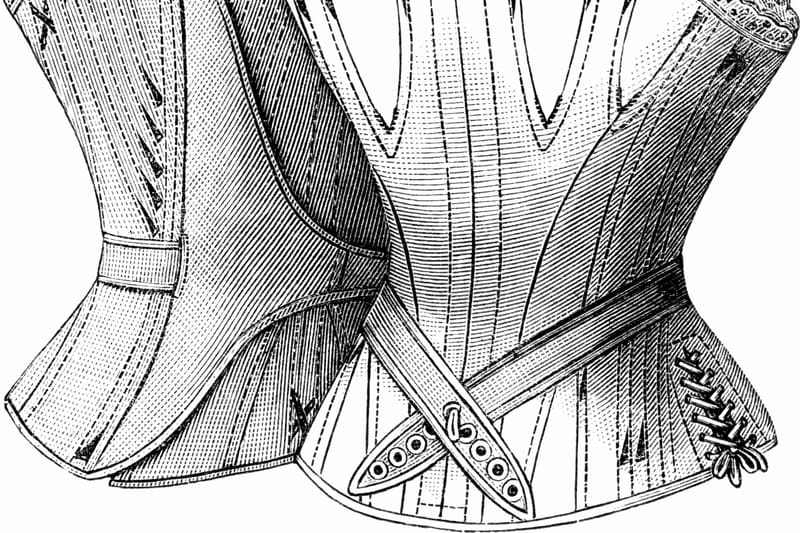
Creator unknown — Public domain — Wikimedia Commons Corsetry was standard for respectable dress, and the extreme tight lacing that features in modern accounts was debated at the time, with doctors and dress-reform campaigners publishing against it. The most dramatic claims about deformity are largely later exaggeration; the garments themselves were normal clothing.
-
And the strangest one of the lot
Number 1: Medicines containing exactly what you would expect
Illustration: World of Curious This is the one that changes how you read the rest. Until regulation arrived late in the century, over-the-counter preparations routinely contained opium, alcohol, mercury or arsenic, and were sold for anything from a cough to a teething baby. They were advertised in newspapers, stocked by ordinary shops, and in many cases genuinely relieved symptoms, which is precisely why they were trusted. The Victorians were not careless — they were operating with a very incomplete understanding of dose, addiction and long-term harm, and a regulatory system that had not been invented yet. Almost every habit on this list works the same way: entirely rational given what was known, and alarming given what we know now.


.jpg)


.jpg)


It is a useful corrective. Every one of these people thought they were living in a modern, sensible age, and so do we.
Where this came from
- Victorian collections and social history — Victoria and Albert Museum
- Arsenic in Victorian wallpaper and consumer goods — National Trust
- Nineteenth-century photography collections — National Science and Media Museum
Read next
 Countdown
 Ten Things About Daily Life in Ancient Rome That Sound Modern
Takeaway food, block-of-flats living, graffiti about the neighbours and complaints about the landlord. Ten details of Roman daily life from the surviving evidence.
 Countdown
 Nine Customs That Were Completely Normal and Now Sound Extraordinary
Sin eaters, waking services, mourning warnings and a professional knocker-up. Nine historical customs, and the practical problem each one solved.
 Myth or Fact
 Ten Things About Medieval Life That Films Get Wrong
Nobody bathed, everyone died at thirty, and the world was grey and filthy. Ten medieval myths, checked against the documentary and archaeological record.