
Ancient Rome Countdown
Ten Things About Daily Life in Ancient Rome That Sound Modern
Takeaway food, block-of-flats living, graffiti about the neighbours and complaints about the landlord. Ten details of Roman daily life from the surviving evidence.

Rome is the ancient society we have the most paperwork for, and paperwork is what makes daily life recoverable. Shopping lists, invitations, complaints, receipts, school exercises and graffiti tell you far more about how people lived than any monument does.
The result is a picture that keeps snagging on the familiar: the food you buy because your flat has no kitchen, the landlord who will not fix anything, the note scratched on a wall by somebody who was bored.
Ten of them, counting up to the thing that puts all the rest in perspective.
-
Number 10: Most people did not cook at home
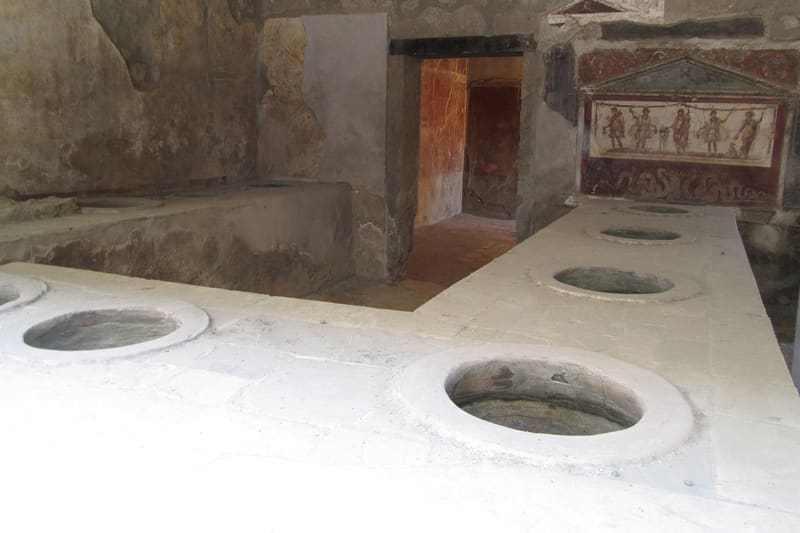
Larry from Charlottetown, PEI, Canada — CC BY 2.0 — Wikimedia Commons Apartments in the cities often had no kitchen, and open fires in a timber-floored building were a serious risk. Excavations at Pompeii and Herculaneum have uncovered large numbers of street-food counters with sunken jars for hot food, which is what most people relied on.
-
Number 9: The flats were rented, crowded and poorly built
Illustration: World of Curious Roman writers complain repeatedly about jerry-built apartment blocks, absent landlords, collapses and fires. Building regulations were introduced specifically to limit height, which tells you what the problem was.
-
Number 8: The best flats were on the ground floor
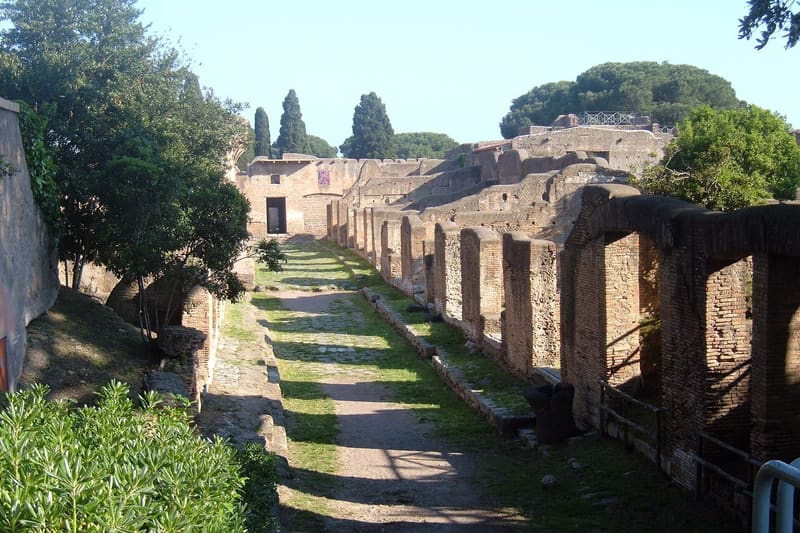
Gebruiker:Kleuske — CC BY 2.5 — Wikimedia Commons The opposite of the modern preference. No lift, no running water above the ground floor, and a much worse escape route in a fire meant that the higher you lived, the poorer you were.
-
Number 7: The graffiti is astonishingly ordinary
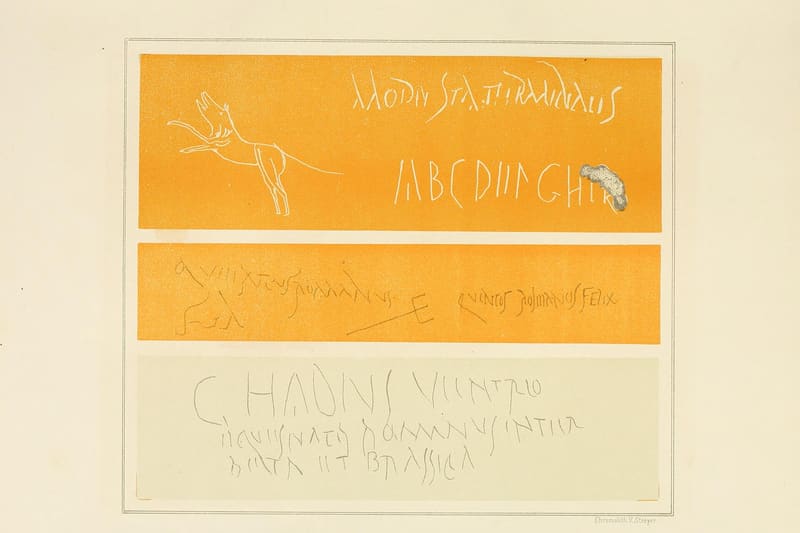
Geremia Discanno (d. 1907) — Public domain — Wikimedia Commons Thousands of inscriptions survive at Pompeii, scratched into plaster. They include election notices, advertisements, insults, declarations of love, complaints, and notes recording that somebody was here. Very little of it is profound, which is exactly what makes it valuable.
-
Number 6: There were public toilets, and they were sociable
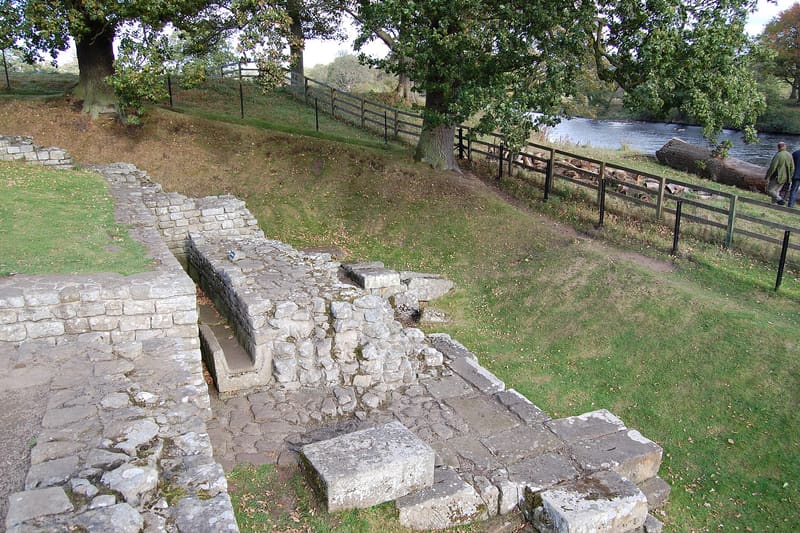
Steven Fruitsmaak — Public domain — Wikimedia Commons Multi-seat public latrines with no partitions were normal. They were connected to the drainage system, and the surviving examples make clear that privacy was simply not the expectation.
-
Number 5: Laundry used collected urine
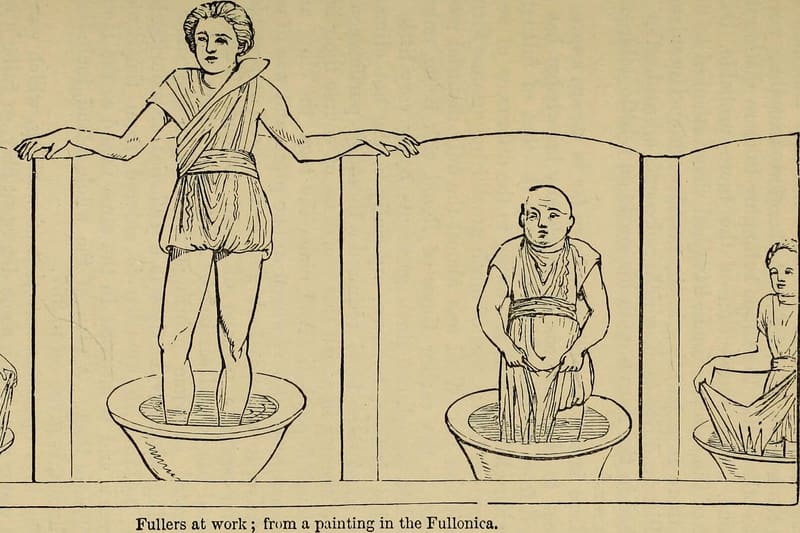
Internet Archive Book Images — No restrictions — Wikimedia Commons Fullers cleaned cloth using ammonia, and the cheapest source was stale urine collected in pots left at street corners. It was a recognised trade with its own premises, and the emperor Vespasian is recorded as having taxed it.
-
Number 4: Water was delivered by aqueduct and paid for by connection
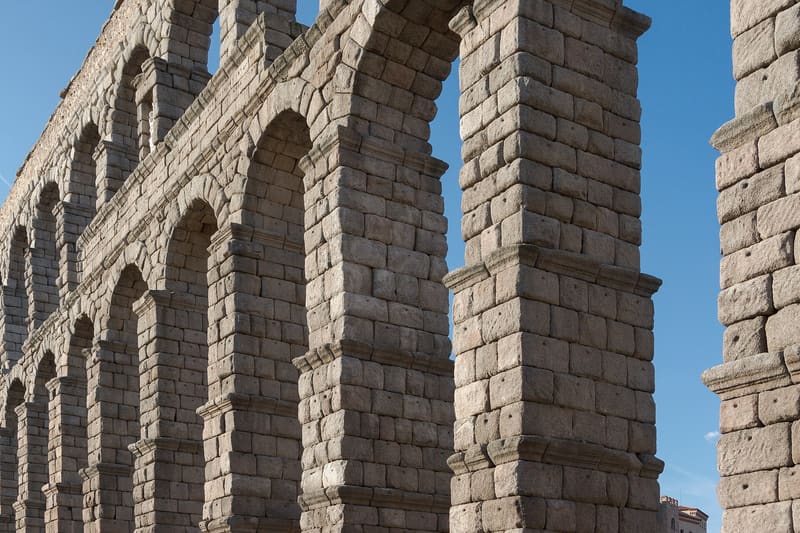
Jebulon — CC0 — Wikimedia Commons Public fountains were free and were where most people collected water. A private connection to the supply was a paid privilege, and there is documentary evidence of officials pursuing illegal taps.
-
Number 3: Bread was often distributed rather than bought
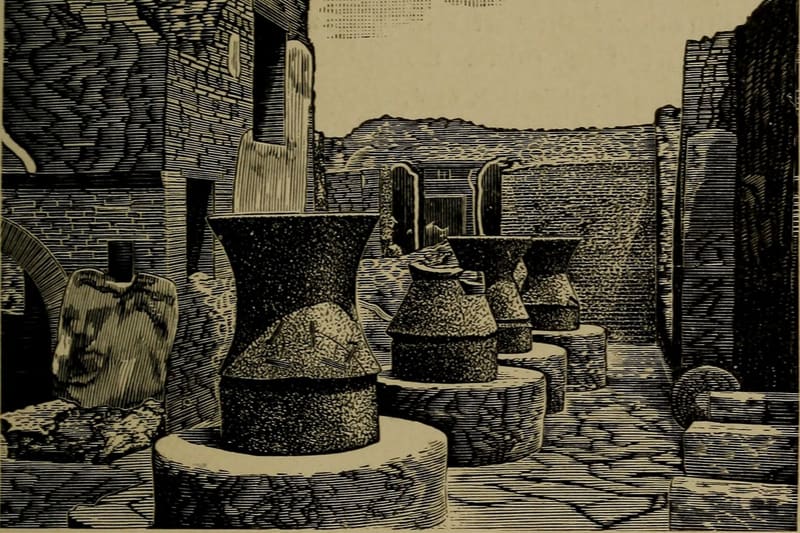
Internet Archive Book Images — No restrictions — Wikimedia Commons The grain dole was a long-running state distribution to eligible citizens in Rome. It was a political instrument as much as a welfare one, and it shaped the city's food supply for centuries.
-
Number 2: Shops opened onto the street and shut with wooden boards
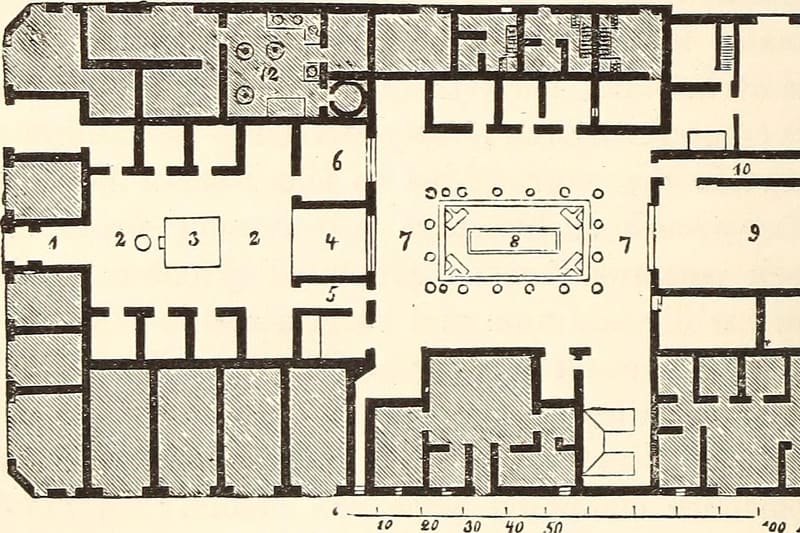
Internet Archive Book Images — No restrictions — Wikimedia Commons The standard shop was a single room opening directly onto the pavement, closed at night with removable boards slotted into a groove. The grooves are still visible in surviving thresholds.
-
And the strangest one of the lot
Number 1: Almost everything we know about ordinary life is an accident
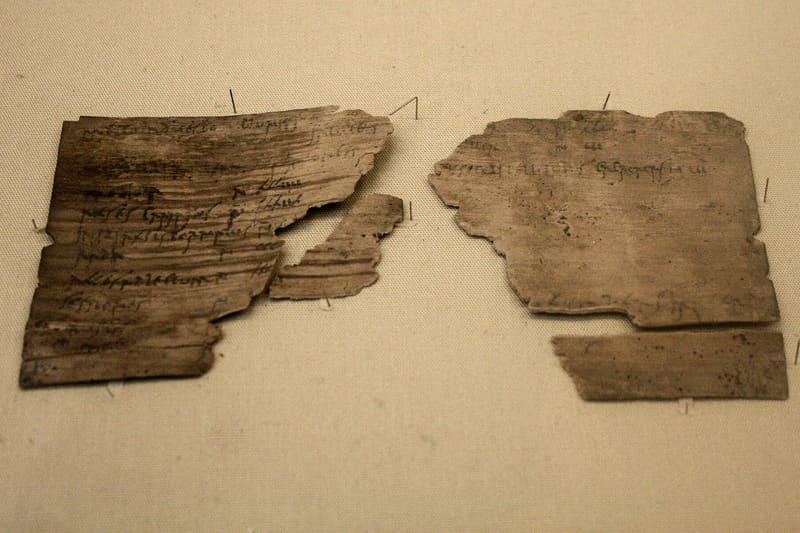
Creator unknown — CC BY-SA 3.0 — Wikimedia Commons This is worth sitting with. Roman literature was written by and for a small elite, and tells us very little about how most people lived. Nearly everything on this list comes from other sources: the eruption that buried Pompeii and Herculaneum in 79 CE, rubbish tips, drains, wooden writing tablets preserved in waterlogged ground at sites like Vindolanda in northern England, and graffiti that nobody intended to preserve. The record is not a history; it is a set of accidents, and where the accidents did not happen, we simply do not know.


.jpg)


.jpg)

_(14763988894).jpg)
_(14582169648).jpg)

That last point is the useful one. The parts of Roman life we can describe in detail are the parts that happened to be preserved, not the parts that mattered most.
Where this came from
- Roman collections and research — The British Museum
- Pompeii archaeological park findings — Parco Archeologico di Pompei
- Roman history reference — Encyclopaedia Britannica
Read next
 Myth or Fact
 Myth or Fact: Eight Things Everyone Says About the Pyramids
Slaves, aliens, mummy curses and the cat that was worshipped. Eight widely repeated claims about ancient Egypt, checked against the evidence.
 Countdown
 Eight Everyday Victorian Habits That Seem Bizarre Now
Mourning rules, post-mortem photographs, arsenic wallpaper and a bathing machine. Eight Victorian habits, and the entirely logical reasons behind each one.
 Myth or Fact
 Ten Things About Medieval Life That Films Get Wrong
Nobody bathed, everyone died at thirty, and the world was grey and filthy. Ten medieval myths, checked against the documentary and archaeological record.