
Weird Animal Facts Countdown
Ten Animal Facts That Sound Completely Invented
Ten documented pieces of animal biology and behaviour that read like a wind-up, with the sources attached and the shaky ones left out.

The internet is full of animal facts, and a depressing proportion of them are wrong — usually because a real finding got flattened into something punchier on the way round.
So this list has a rule. Everything on it is documented, the wording tries to be honest about uncertainty where uncertainty exists, and the genuinely popular claims that fall apart under checking have been left out.
They are still hard to believe. Counting up to the one that surprised the researchers most.
-
Number 10: An octopus has three hearts
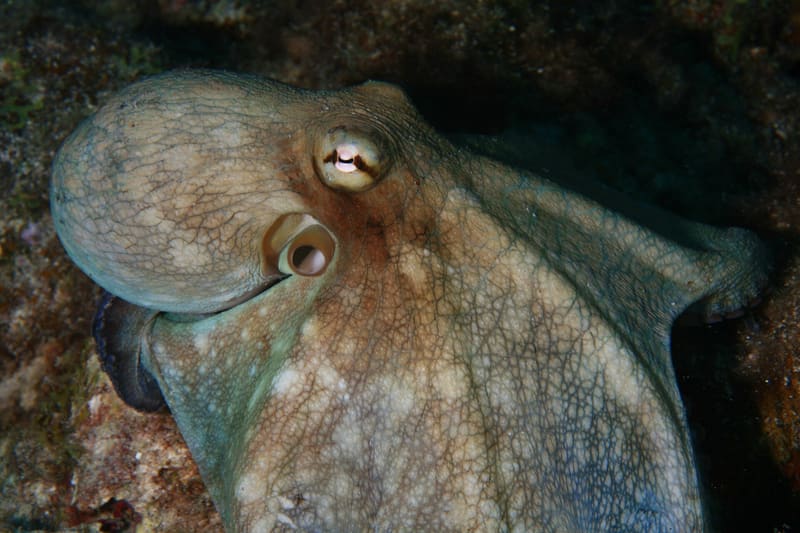
LASZLO ILYES from Cleveland, Ohio, USA — CC BY 2.0 — Wikimedia Commons Two pump blood through the gills and one pumps it around the rest of the body. The systemic heart stops beating when the animal swims, which is one reason octopuses prefer to crawl — swimming is exhausting for them.
-
Number 9: Octopus blood is blue
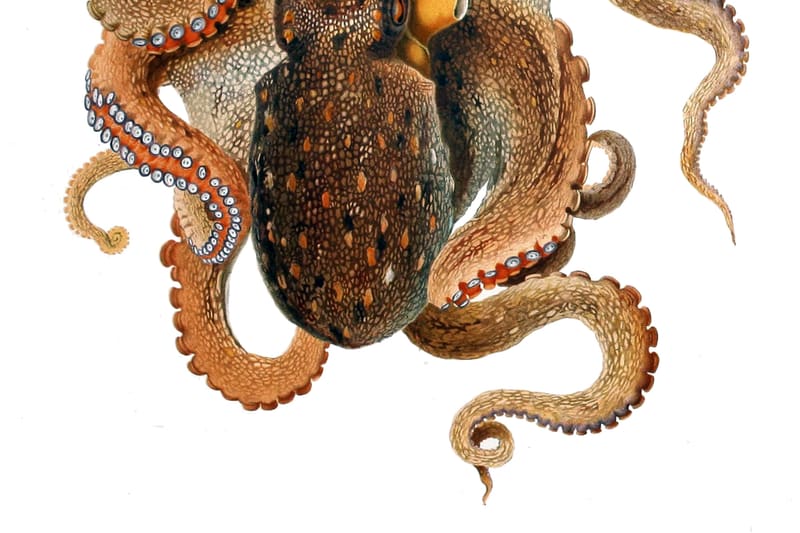
Comingio Merculiano (1845-1915) in Jatta Giuseppe (1860-1903) — Public domain — Wikimedia Commons It uses haemocyanin, which carries oxygen with copper rather than the iron used in our haemoglobin. Copper-based blood works better in cold, low-oxygen water, and it is blue rather than red.
-
Number 8: Starfish have no brain and no blood
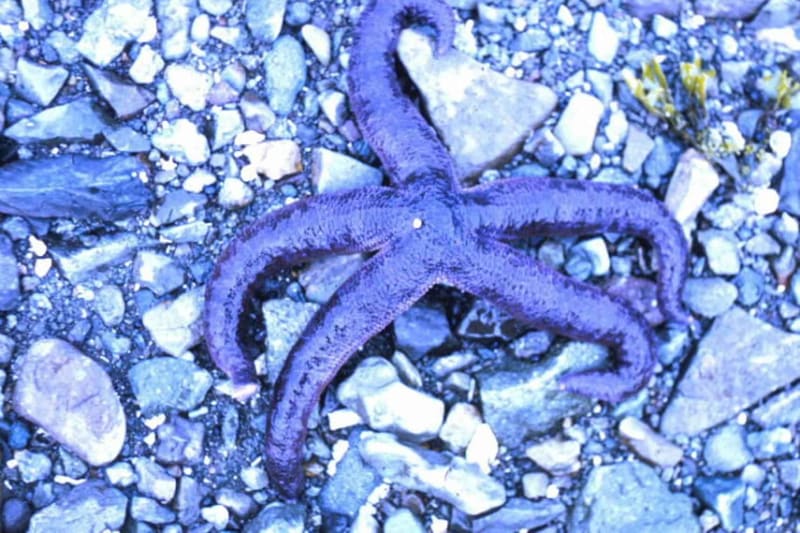
Boughton, U.S. Fish and Wildlife Service — Public domain — Wikimedia Commons They run on a decentralised nerve ring with nerves radiating into each arm, and they circulate seawater through an internal hydraulic system to move thousands of tiny tube feet.
-
Number 7: Some sea stars can regrow a whole body from one arm
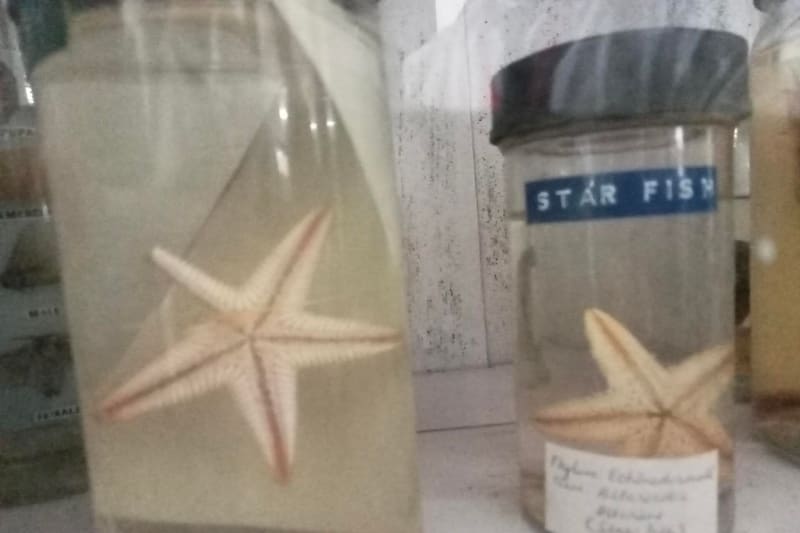
Noukayami — CC BY-SA 4.0 — Wikimedia Commons In certain species an arm containing part of the central disc can regenerate an entire animal. It takes many months, and the result is briefly lopsided in a way that looks like a mistake.
-
Number 6: Tardigrades can survive being dried out completely
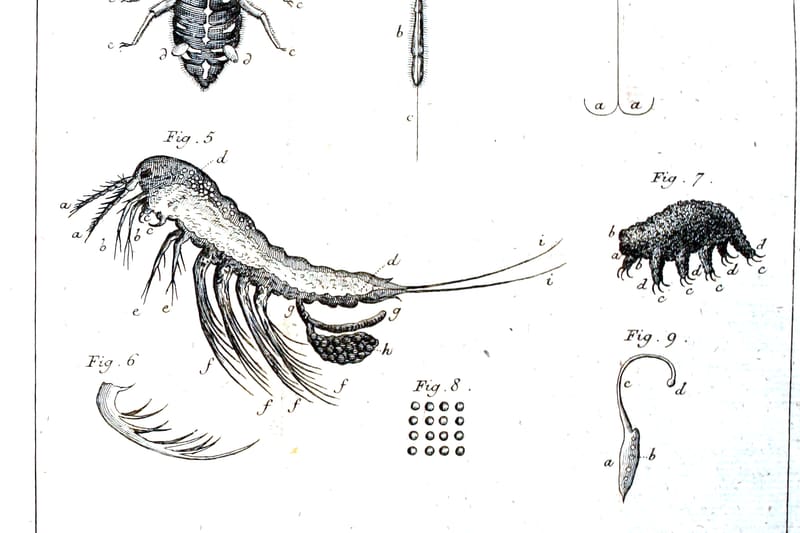
J A E Goeze — Public domain — Wikimedia Commons These microscopic animals can enter a state called cryptobiosis, losing almost all their body water and effectively suspending their metabolism. In that state they have survived extreme cold, extreme pressure and the vacuum of space in experiments, and revived when rewetted.
-
Number 5: A shrimp punches fast enough to boil water
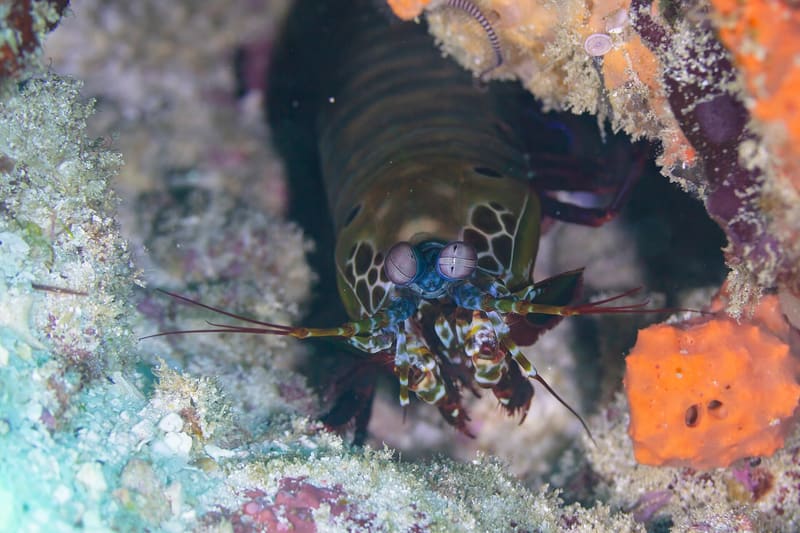
Diego Delso — CC BY-SA 4.0 — Wikimedia Commons The mantis shrimp strikes with a spring-loaded club at such speed that the water behind it briefly vaporises into a bubble. When the bubble collapses it produces a flash of light and a shockwave, which can stun prey even if the strike misses.
-
Number 4: One species of jellyfish can reverse its life cycle
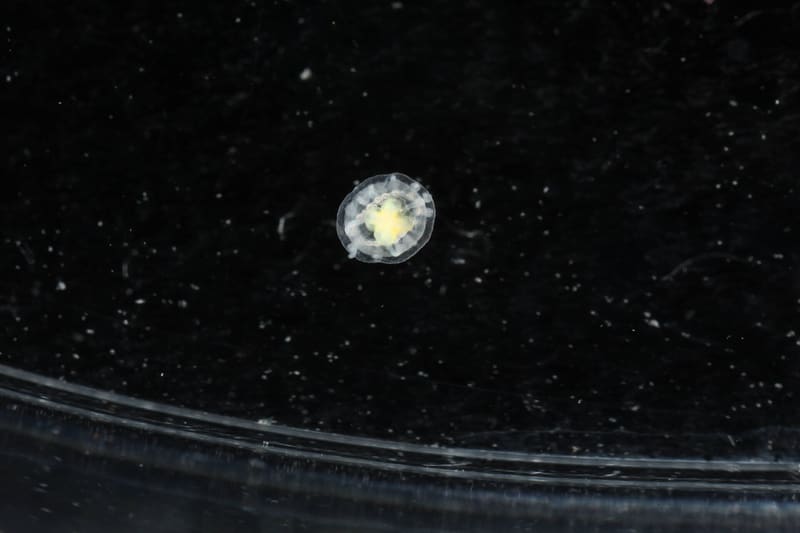
Dr. Karen J. Osborn — CC0 — Wikimedia Commons Turritopsis dohrnii can revert from its adult medusa stage back to an earlier polyp stage when stressed or injured, effectively starting again. It is frequently described as immortal, which is overstated — they are still very much eaten — but the reversal itself is real and well documented.
-
Number 3: Crows recognise individual human faces and hold a grudge
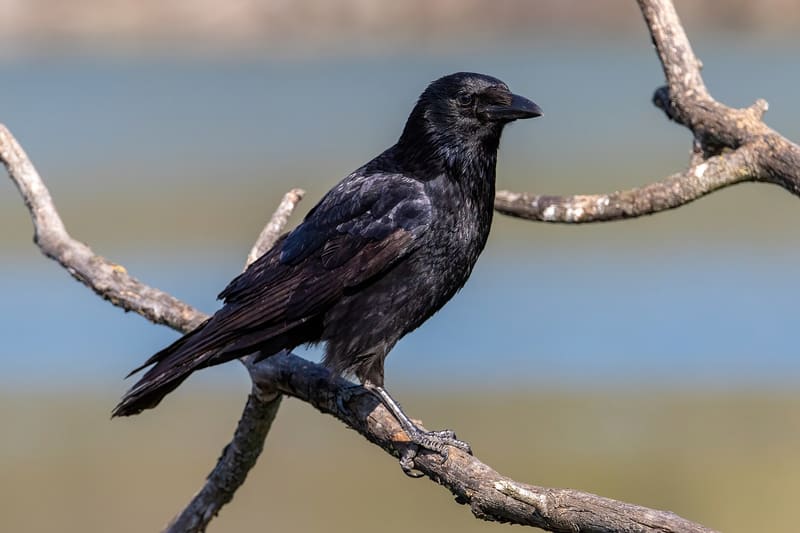
Alexis Lours — CC BY 4.0 — Wikimedia Commons In controlled experiments, wild crows learned to recognise people who had handled them, scolded them on later encounters, and passed the reaction on to other crows that had never met that person. The effect persisted for years.
-
Number 2: A snail can have thousands of teeth
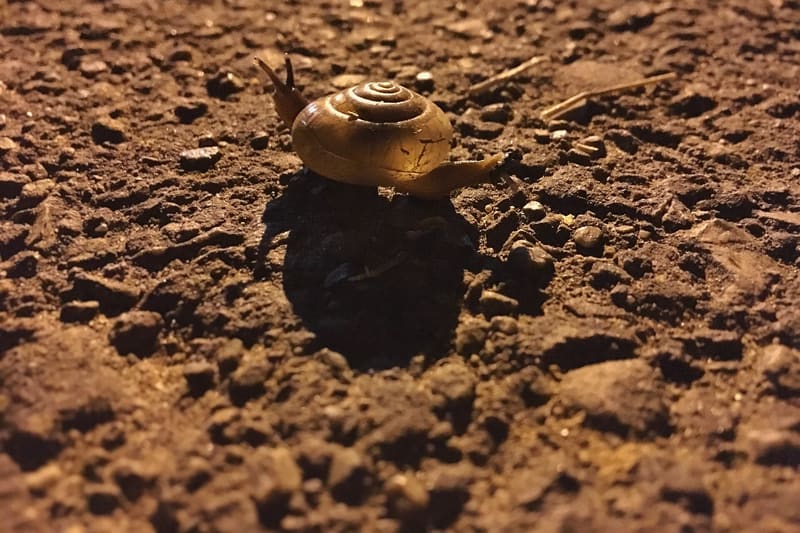
H.u.nar — CC BY 4.0 — Wikimedia Commons They sit on a ribbon-like structure called a radula that works rather like a rasp. Some marine species have teeth reinforced with iron minerals, which are among the strongest biological materials ever measured.
-
And the strangest one of the lot
Number 1: The Greenland shark may live for centuries
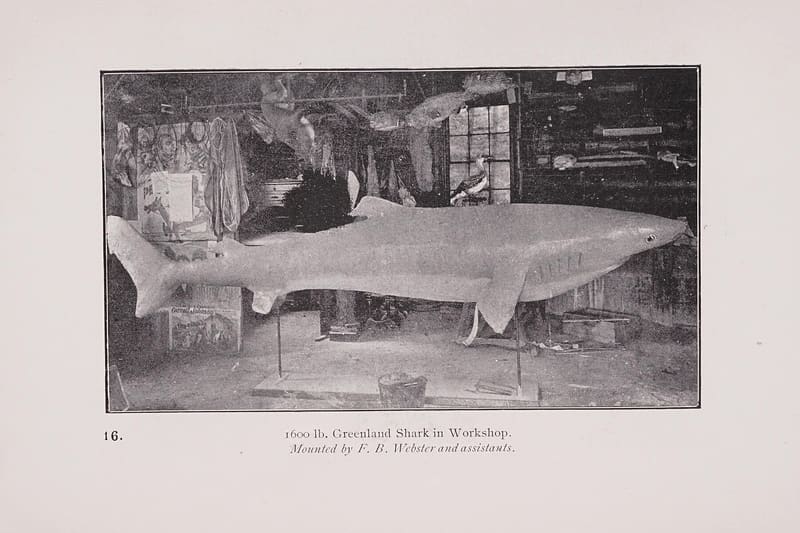
Creator unknown — Public domain — Wikimedia Commons Radiocarbon dating of eye lens tissue has put the oldest sharks examined at several hundred years, with a best estimate for one individual of around four hundred. The technique carries a wide margin of error, which the researchers were careful to state, but even the low end of the range makes it the longest-lived vertebrate known. They grow about a centimetre a year and are not thought to reproduce until they are over a century old.


.jpg)


,_Zanz%C3%ADbar,_Tanzania,_2024-05-29,_DD_42.jpg)


The rule we use for this category is simple: if we cannot point to a source, it does not go on the list, however good it sounds.
Where this came from
- Cephalopod biology — Natural History Museum
- Marine invertebrate collections and research — Smithsonian National Museum of Natural History
- Tardigrade research summaries — Encyclopaedia Britannica
- Bird cognition research overview — Natural History Museum
Read next
 Countdown
 Ten Things Your Body Does Constantly That You Never Notice
Reflexes, corrections and background processes that run without you: ten of them explained in plain language, with no medical advice attached.
 Countdown
 Ten Plants and Fungi With Genuinely Ruthless Strategies
Plants are not passive. Ten species that trap, poison, strangle, hijack or outlive everything around them, with the mechanism explained for each.
 Countdown
 Ten Animals You Have Almost Certainly Never Heard Of
Small, strange and rarely photographed species that never make the documentaries, plus the reason the same few animals always do.