
Nature Is Weird Countdown
Ten Plants and Fungi With Genuinely Ruthless Strategies
Plants are not passive. Ten species that trap, poison, strangle, hijack or outlive everything around them, with the mechanism explained for each.

Plants get treated as scenery, which is a mistake. They cannot move, so everything they do has to be chemical, structural or extremely patient — and all three produce strategies that would sound brutal if an animal were doing them.
Fungi are stranger still, partly because they are more closely related to animals than to plants, and partly because most of the organism is usually underground.
Ten of them, counting up to the largest.
-
Number 10: The Venus flytrap counts before it closes
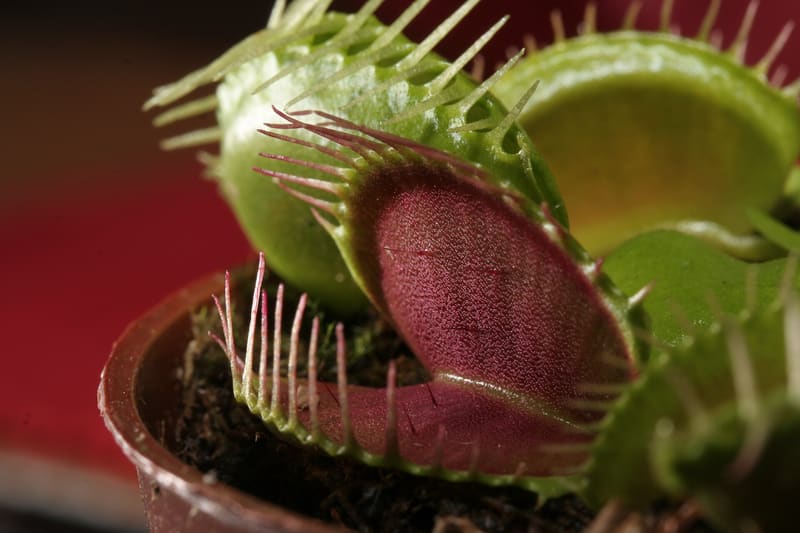
che — CC BY-SA 2.5 — Wikimedia Commons The trap has trigger hairs, and a single touch does nothing. Two touches within about twenty seconds close the trap; further stimulation as the prey struggles triggers digestion. It is a genuine counting mechanism, and it exists because closing on a raindrop would waste a great deal of energy.
-
Number 9: Pitcher plants drown their prey
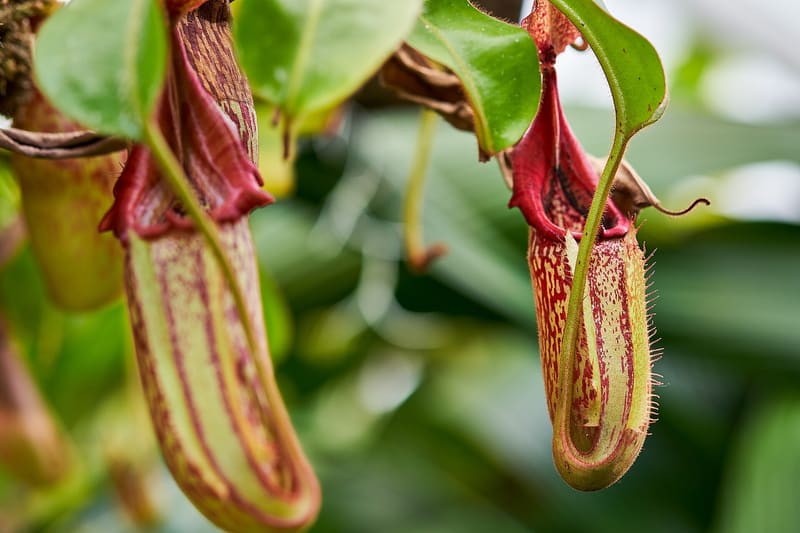
geoff mckay from Palmerston North, New Zealand — CC BY 2.0 — Wikimedia Commons A modified leaf forms a vessel with a slippery rim and downward-pointing hairs. Insects fall in and cannot climb out. Larger species have been recorded catching small vertebrates, though insects are the usual diet.
-
Number 8: The strangler fig kills its host and takes its place
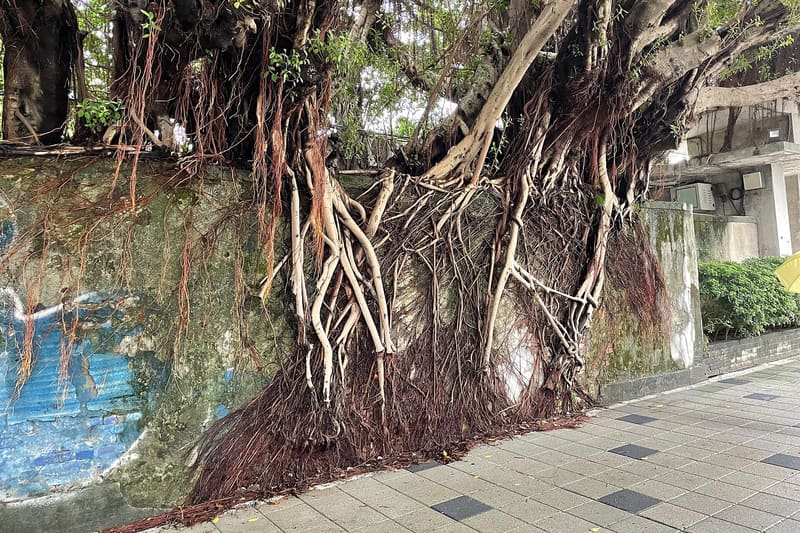
ThomasYehYeh — CC BY-SA 4.0 — Wikimedia Commons It germinates high in the branches of another tree, sends roots down to the ground, and gradually envelops the trunk. The host is eventually shaded out and dies, leaving a hollow fig-shaped cylinder standing where the original tree was.
-
Number 7: Dodder has no roots and no chlorophyll
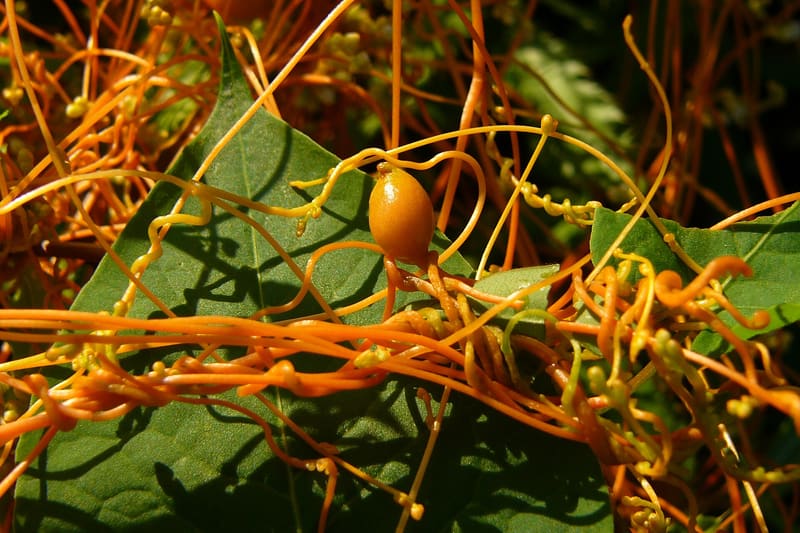
Silvae — Public domain — Wikimedia Commons It grows as an orange thread, detects nearby host plants by the chemicals they release, grows towards them and taps into their vascular tissue. Having abandoned photosynthesis entirely, it takes everything it needs from the host.
-
Number 6: Black walnut poisons its neighbours
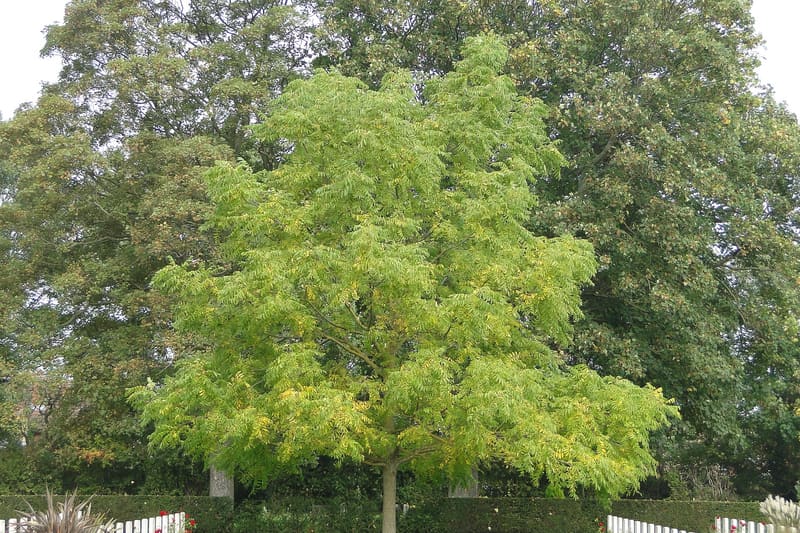
Adrian S Pye — CC BY-SA 2.0 — Wikimedia Commons It releases a compound called juglone into the soil, which inhibits the growth of many other plant species nearby. The strategy has a name — allelopathy — and it occurs in a number of plants, though walnut is the classic example.
-
Number 5: Some orchids deceive rather than reward
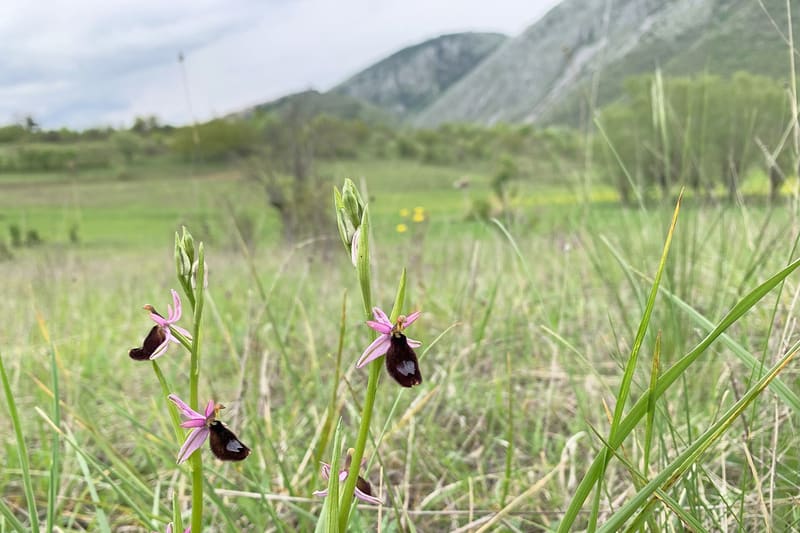
Bouke ten Cate — CC BY 4.0 — Wikimedia Commons Several species mimic the appearance and scent of a female insect closely enough that males attempt to mate with the flower and carry pollen away. The plant provides no nectar and gives nothing in return.
-
Number 4: The corpse flower smells like rotting meat on purpose
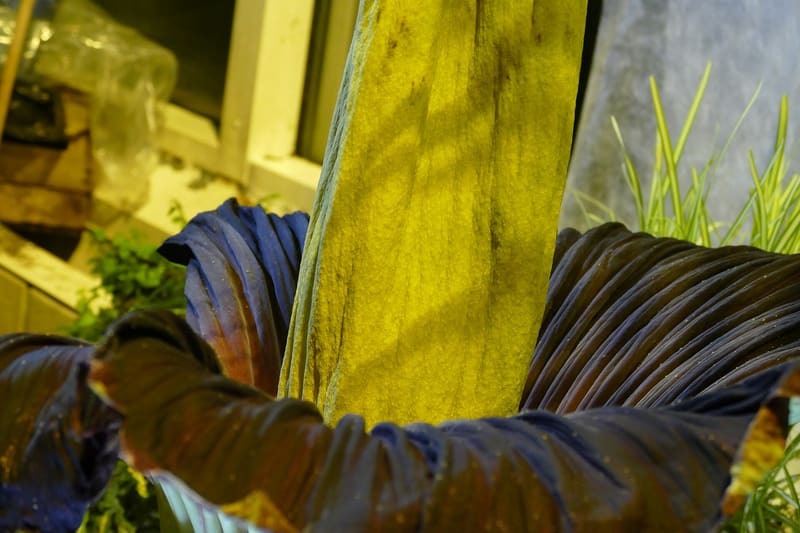
Olaf — CC0 — Wikimedia Commons It also heats itself, raising the temperature of part of the flower to help the smell carry. The target pollinators are carrion beetles and flesh flies, which are drawn to exactly that combination of odour and warmth.
-
Number 3: A fungus takes over the behaviour of ants
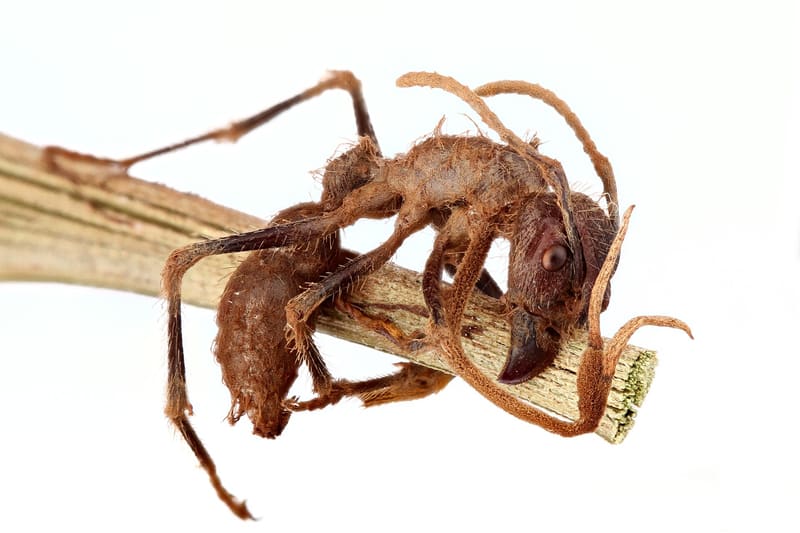
James Marchment — CC0 — Wikimedia Commons Species of Ophiocordyceps infect ants and alter their behaviour, causing the ant to climb and clamp onto vegetation before dying, in a position that helps the fungus disperse its spores. The behavioural change is well documented; how much of it is direct manipulation of the nervous system is still being investigated.
-
Number 2: Bamboo flowers on a schedule decades long
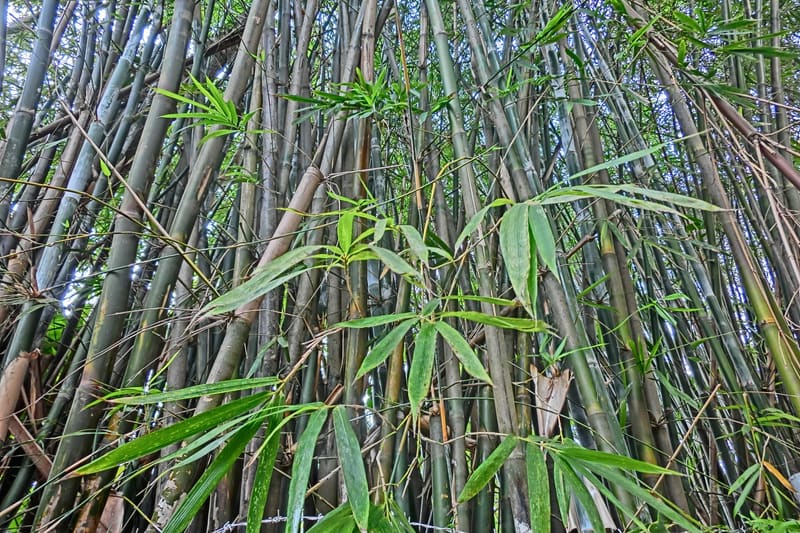
CooyIMTongsuy — CC BY-SA 3.0 — Wikimedia Commons Some species flower once, simultaneously across an entire population, after intervals of several decades, then die. The synchrony is thought to overwhelm seed predators with more seed than they can possibly eat. Populations planted on different continents have been recorded flowering in the same year.
-
And the strangest one of the lot
Number 1: A single fungus can be the largest organism on Earth
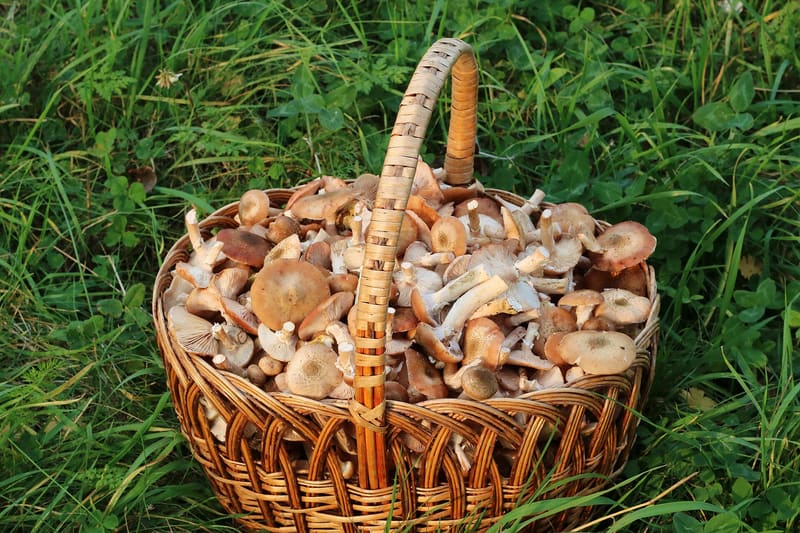
George Chernilevsky — Public domain — Wikimedia Commons In forests in Oregon, a honey fungus has been mapped spreading through the soil across several square kilometres. Genetic testing indicates it is one continuous organism, and estimates of its age run into the thousands of years. It kills trees slowly from the roots, and almost all of it is invisible: the mushrooms that appear in autumn are the fruiting bodies of something vast underneath. The measurement is a genuine scientific finding, though the precise extent and age depend on assumptions about growth rate that researchers have been careful to flag.


_Nepenthes_Veitchii_Pink_(49360096312).jpg)

_fruit.jpg)


.jpg)


The word we avoid here is intent. None of this is planned. It is what several hundred million years of selection produces when you cannot run away.
Where this came from
- Plant science and carnivorous plant research — Royal Botanic Gardens, Kew
- Fungal biology and collections — Natural History Museum
- Plant biology reference — Encyclopaedia Britannica
Read next
 Countdown
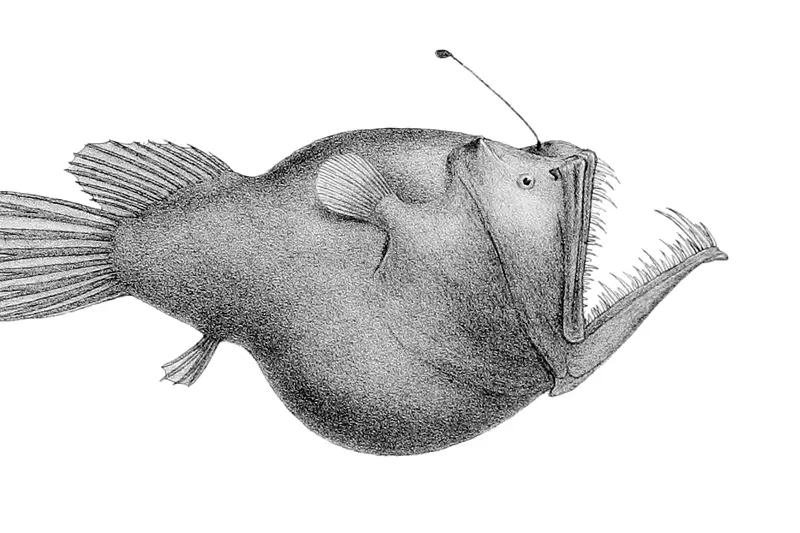
 Nine Deep-Sea Creatures That Barely Look Real
The deep ocean is the largest habitat on Earth and the least visited. Nine of its residents, and the specific problem each one has evolved to solve.
 Countdown
 Ten Things Your Body Does Constantly That You Never Notice
Reflexes, corrections and background processes that run without you: ten of them explained in plain language, with no medical advice attached.
 Countdown
 Eight Landscapes That Look Edited and Are Not
Pink lakes, striped mountains and ground that has been burning for decades. Eight places that look impossible, with the geology that explains each one.