
Human Body Facts Countdown
Ten Things Your Body Does Constantly That You Never Notice
Reflexes, corrections and background processes that run without you: ten of them explained in plain language, with no medical advice attached.

Almost everything your body does, it does without asking. That is not laziness on your part — conscious attention is a narrow channel, and running breathing, balance and digestion through it would be an appalling design.
What is interesting is how much of it is actively hidden. Your nervous system does not just handle these jobs quietly; in several cases it goes to some trouble to make sure you never notice them.
Ten of them, counting up to the one that explains most of the others.
-
Number 10: You edit out your own nose
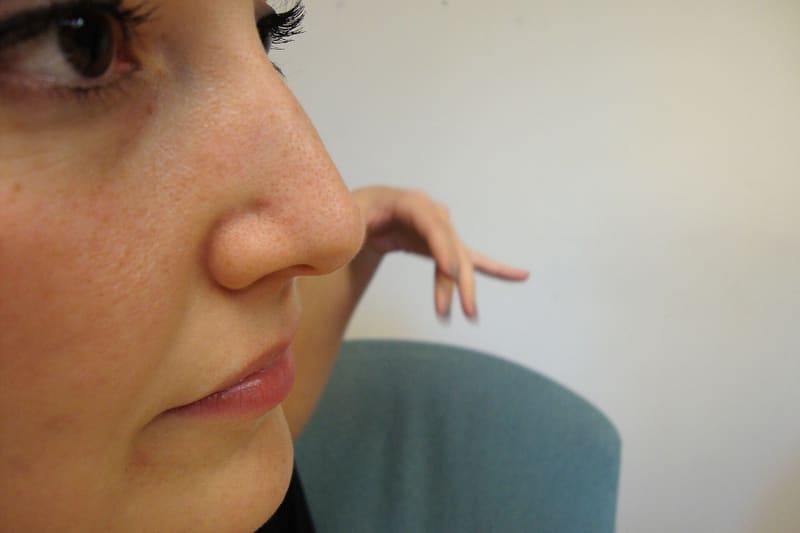
Faceofwiki — Public domain — Wikimedia Commons It is permanently in your field of view, in both eyes, and you almost never see it. The visual system suppresses stable, unchanging input because it carries no new information. Look for it now and you will see it, which is its own small demonstration.
-
Number 9: Your eyes jump several times a second
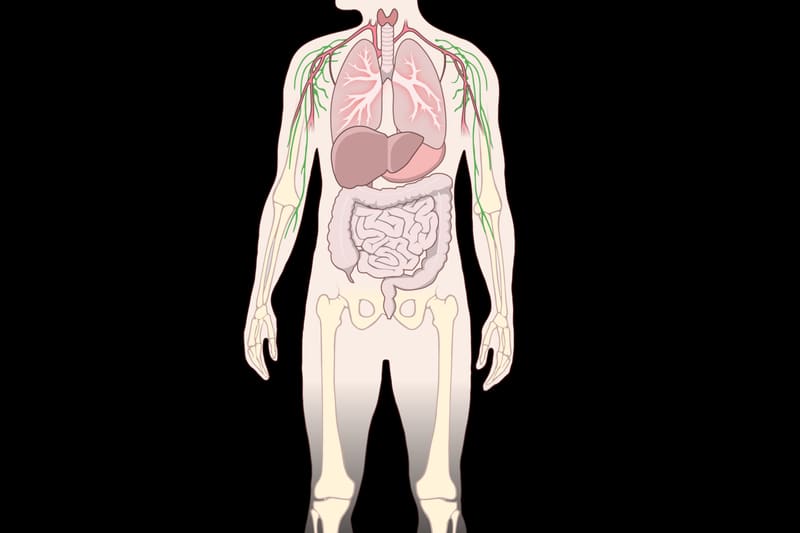
Courtesy of NIAID Ryan Kissinger — Public domain — Wikimedia Commons These rapid movements are called saccades. Vision is effectively suppressed during each jump, so you should perceive a constant smear. Instead the brain stitches the stable moments together and papers over the gaps.
-
Number 8: You blink far less when reading

State Government Photographer — CC0 — Wikimedia Commons Blink rate drops substantially during concentrated visual tasks and rises again afterwards. It is one reason eyes feel dry after a long stretch of close work.
-
Number 7: One nostril does most of the work at a time
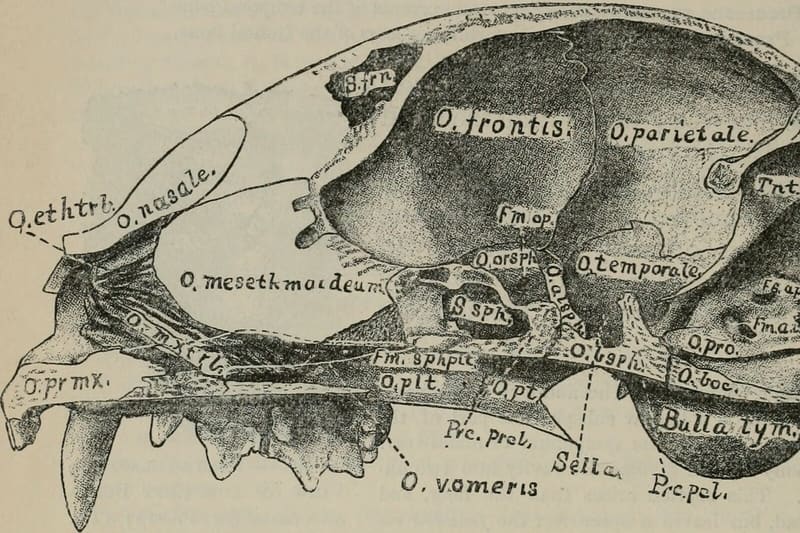
Internet Archive Book Images — No restrictions — Wikimedia Commons Airflow tends to alternate between nostrils over a cycle of a few hours, driven by swelling and shrinking of the tissue inside. Most people never notice unless they go looking.
-
Number 6: You are continuously falling over and correcting

Mx. Granger — CC0 — Wikimedia Commons Standing still is not static. The balance organs in the inner ear, together with vision and sensors in the joints, feed a constant stream of tiny corrections to the muscles. Standing on one leg with your eyes shut removes one input and makes the whole system obvious.
-
Number 5: Your pupils respond to more than light
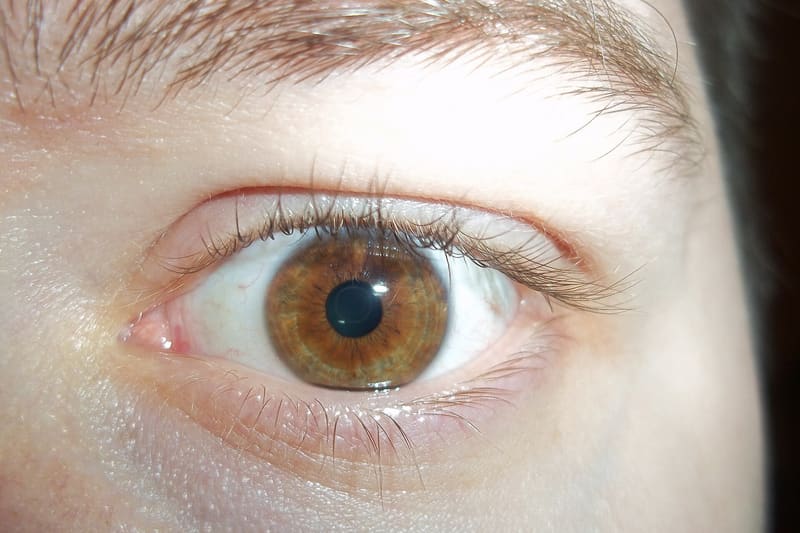
Björn Markmann — CC BY 3.0 — Wikimedia Commons They adjust for brightness, but they also change size with mental effort. Pupil size has been used in research for decades as a rough measure of cognitive load.
-
Number 4: You produce and swallow saliva all day

Doc. RNDr. Josef Reischig, CSc — CC BY-SA 3.0 — Wikimedia Commons Swallowing happens hundreds of times a day, mostly without any awareness at all. It becomes conscious only when you start paying attention to it, at which point it becomes strangely difficult.
-
Number 3: Your stomach makes noise whether or not it is empty
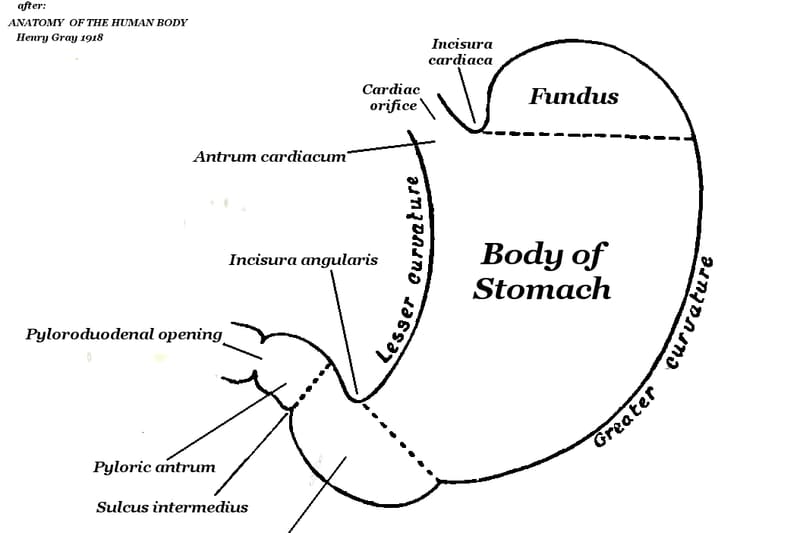
Gray, Henry — Public domain — Wikimedia Commons The sounds come from muscular contractions moving gas and liquid through the digestive tract. They are usually just quieter when there is food in the way to muffle them.
-
Number 2: Your body clock runs on a cycle of roughly a day
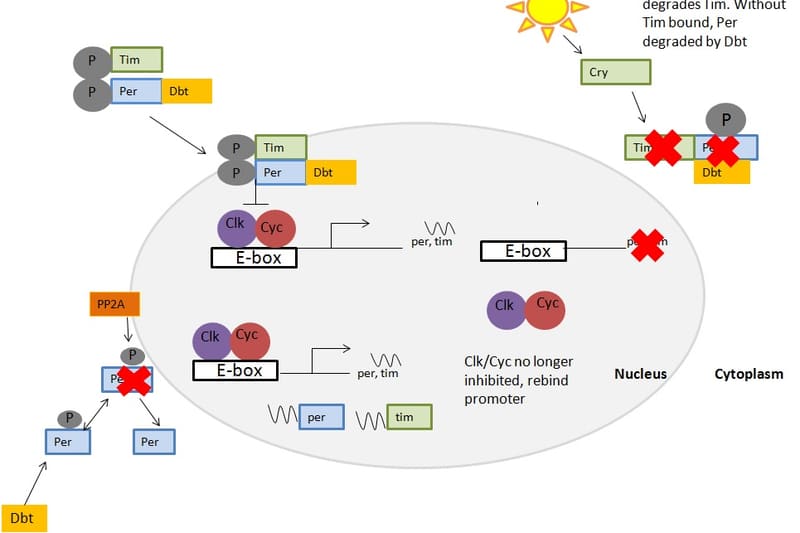
L.sandieson — CC0 — Wikimedia Commons An internal rhythm regulates temperature, alertness and hormone release on an approximately 24-hour cycle, and is reset daily by light reaching the eyes. Without that reset it drifts, which is well documented in studies of people living without time cues.
-
And the strangest one of the lot
Number 1: You cannot tickle yourself, and the reason is the point
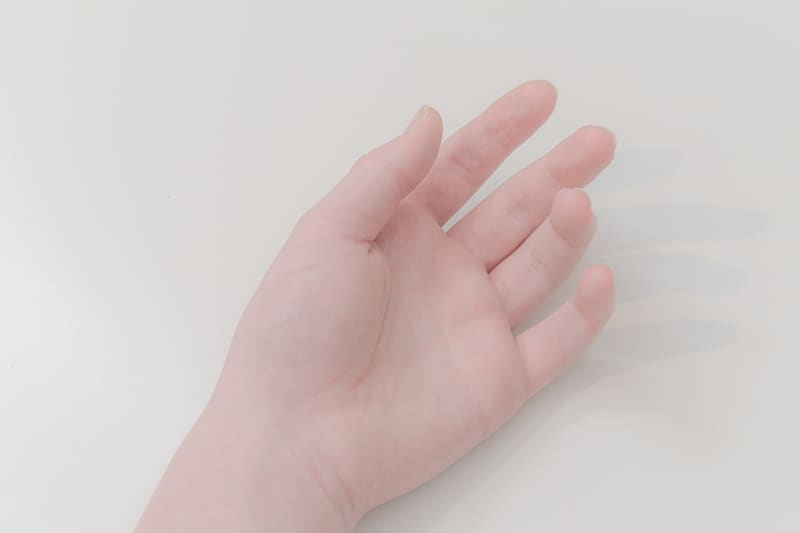
Lezlie Rewatch — CC0 — Wikimedia Commons When you move, your brain predicts the sensory consequences of that movement and subtracts them from what you perceive. That is why your own touch feels less intense than someone else's, and it is the same mechanism that stops the world appearing to swing wildly every time you turn your head. The entire system runs on prediction: your brain is not so much receiving a picture of the world as generating one and correcting it against incoming evidence. Most of what is on this list is a side effect of that single arrangement.


.png)
.jpg)
_(14785132753).jpg)


_Human.jpg)


The common thread is prediction and suppression. A great deal of what your nervous system does is decide what not to tell you.
Editor's note: This is general interest writing about anatomy, not medical advice. If something about your own body is worrying you, speak to a clinician rather than a website.
Where this came from
- How the eye works and eye movement — Royal National Institute of Blind People
- Human anatomy and physiology overviews — Encyclopaedia Britannica
- The balance system and the inner ear — NHS
Read next
 Countdown
 Nine Deep-Sea Creatures That Barely Look Real
The deep ocean is the largest habitat on Earth and the least visited. Nine of its residents, and the specific problem each one has evolved to solve.
 Countdown
 Eight Places in the Solar System With Genuinely Bizarre Weather
Sideways glass rain, a storm older than photography, and a moon with rivers of methane. Eight places where the weather report would be unprintable.
 Countdown
 Ten Plants and Fungi With Genuinely Ruthless Strategies
Plants are not passive. Ten species that trap, poison, strangle, hijack or outlive everything around them, with the mechanism explained for each.