
Horses Quiz
Can You Name These Horse Colours Correctly?
Horse colour has its own vocabulary, and most of it is counter-intuitive. Eight questions on coats, markings and the terms that trip everyone up.

Horse colour terminology is one of those specialist vocabularies that is completely opaque from outside and entirely logical once explained.
The key idea is that the terms describe combinations rather than shades. What separates bay from chestnut is not how red the body is; it is whether the mane, tail and lower legs are black. That single distinction accounts for most of the confusion people have.
The second idea is that several terms describe a process rather than a state. A grey is not a colour so much as a trajectory: born dark, lightening every year, often nearly white by middle age.
Eight questions below.
Take the quiz
Eight questions on equine colour vocabulary. Several of these are deliberately counter-intuitive.
-
1 A horse with a white coat and dark skin is usually called what?
Grey horses are born dark and lighten with age, often becoming almost pure white, but they retain dark skin. True white horses, with pink skin, are genuinely rare. Most white-looking horses are greys.
Show the answer
B. Grey — Grey horses are born dark and lighten with age, often becoming almost pure white, but they retain dark skin. True white horses, with pink skin, are genuinely rare. Most white-looking horses are greys.
-
2 What colour is a bay horse?
Bay is defined by the black points: mane, tail and lower legs. The body can range from light tan to dark reddish brown.
Show the answer
A. Reddish-brown body with black mane, tail and lower legs — Bay is defined by the black points: mane, tail and lower legs. The body can range from light tan to dark reddish brown.
-
3 What is a chestnut horse?
Chestnut has no black points. The mane and tail are the same shade as the body or lighter, which is the key distinction from bay.
Show the answer
B. Reddish coat with mane and tail the same colour or lighter — Chestnut has no black points. The mane and tail are the same shade as the body or lighter, which is the key distinction from bay.
-
4 What is a palomino?
Palomino is a colour, not a breed, and appears in many breeds. It is genetically a chestnut with a single copy of a cream dilution gene.
Show the answer
B. A golden coat with white mane and tail — Palomino is a colour, not a breed, and appears in many breeds. It is genetically a chestnut with a single copy of a cream dilution gene.
-
5 What is the difference between a piebald and a skewbald?
Piebald is black and white. Skewbald is white with a colour other than black, usually brown or chestnut.
Show the answer
A. Piebald is black and white; skewbald is white with any other colour — Piebald is black and white. Skewbald is white with a colour other than black, usually brown or chestnut.
-
6 What is a dun horse?
Dun is characterised by primitive markings: a dorsal stripe along the back, often with horizontal striping on the legs and sometimes shoulder markings.
Show the answer
B. A sandy coat with a dark stripe along the spine — Dun is characterised by primitive markings: a dorsal stripe along the back, often with horizontal striping on the legs and sometimes shoulder markings.
-
7 What is a blaze?
Facial markings have specific names by size and shape: a star is a small patch on the forehead, a stripe is narrow and vertical, a blaze is broad, and a white face covers most of the front of the head.
Show the answer
A. A white marking down the face — Facial markings have specific names by size and shape: a star is a small patch on the forehead, a stripe is narrow and vertical, a blaze is broad, and a white face covers most of the front of the head.
-
8 What is a roan?
Roan is an even mixture of white hairs through a coloured coat, with the head and lower legs usually staying darker. Unlike grey, a roan does not progressively lighten with age.
Show the answer
A. A coat with white hairs mixed evenly through a base colour — Roan is an even mixture of white hairs through a coloured coat, with the head and lower legs usually staying darker. Unlike grey, a roan does not progressively lighten with age.
0 out of 8
Where this came from
- Horse breeds, colours and markings — Encyclopaedia Britannica
- Equine coat colour genetics — Royal Veterinary College
- Working horses and rural life collections — Museum of English Rural Life
Read next
 How It Works
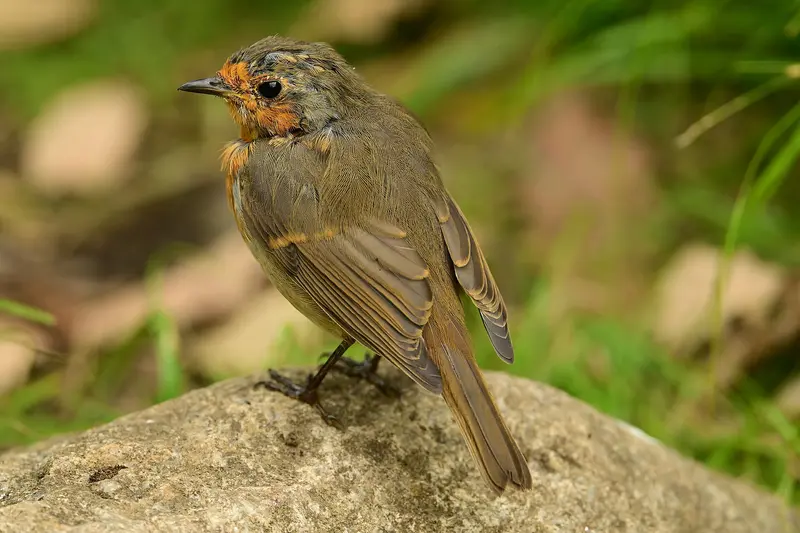
 How to Tell Common Garden Birds Apart in About Three Seconds
Beginner bird identification without a field guide: the four things to look at, in order, and why colour is the least useful of them.
 Quiz
Quiz Can You Name the Country From Three Clues?
Ten countries, three clues each, getting easier as they go. No maps, no flags, just geography, borders and the occasional oddity.
 Myth or Fact
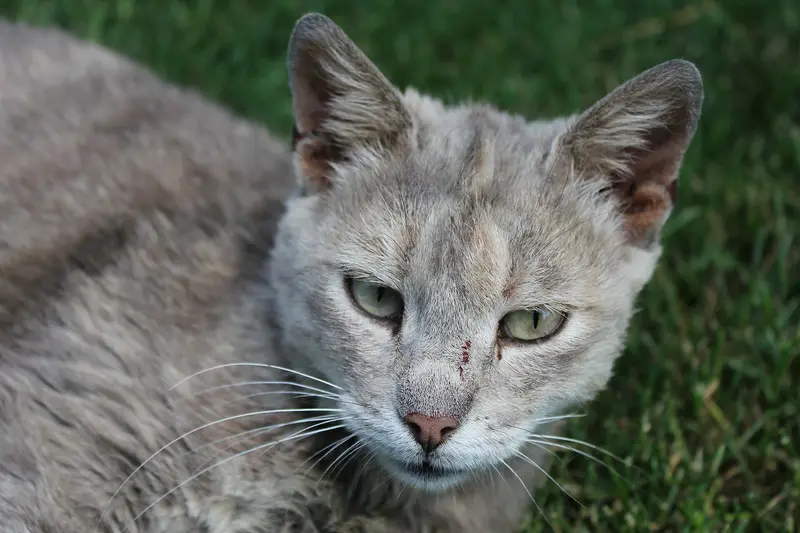
 Nine Things Cats Do, and What the Research Actually Says
Purring, kneading, slow blinking and the noise aimed only at humans. Nine cat behaviours, separated honestly into the well evidenced and the still uncertain.