
Which Is Worth More? Six Pairs and the Reason Behind Each
Two similar objects, very different values. Six head-to-head comparisons that explain how condition, rarity, provenance and demand actually interact.

The question people ask about an old object is almost always what it is worth. The more useful question is what makes one worth more than another, because the answer generalises.
Six pairs below. In each case the two items are similar enough that most people would guess wrong.
The six pairs
One. A 1970s toy in excellent condition, loose. The same toy in slightly worse condition, in its original box with the packaging inserts.
Two. A Victorian chest of drawers, professionally stripped, sanded and refinished. The same model, unrestored, with dents, marks and its original finish.
Three. A painting attributed to a known artist on stylistic grounds. A near-identical painting with a letter from the artist, a gallery receipt and an exhibition catalogue entry.
Four. A genuinely scarce item in the sort of condition you would expect after ninety years. A very common item of the same age that has never been used and has been in a dark cupboard since it was made.
Five. Two apparently identical examples of the same product, one from the first production run and one from five years later after a minor design change.
Six. A beautifully made piece of furniture from a category nobody currently collects. A less well-made piece from a category that is currently sought after.
The four factors, in the order they usually matter
Rarity. Not how old something is, but how many survive in the condition being offered. Age and rarity are different things, and plenty of very old objects are extremely common.


Condition. The most misunderstood factor, because more intervention usually means less value. Collectors’ markets have moved strongly towards original surface and honest wear, and a well-meant restoration can remove most of what was valuable.
Provenance. A documented chain of ownership, or evidence tying an object to a person, place or event. This is what turns a likely story into a fact, and it is frequently the difference between a modest price and a very large one.
Demand. The one that overrides everything else. Value is not a property of the object; it is a relationship between the object and the number of people currently looking for it. Categories move: brown furniture, commemorative china, collector plates and various figurine lines have all seen sharp falls as the generations that collected them moved on.
The practical version
If you are deciding whether to clean, restore, repair or repackage something before selling it, the safest general rule is to do less than you think.
Dirt can be removed later. Original finish cannot be put back.
Open the answers below for all six pairs.
Reveal the answer
Answer 1. The boxed one · 2. The unrestored one · 3. The one with paperwork · 4. The common one in exceptional condition · 5. The earlier variant · 6. The one people collect
1. Original packaging routinely multiplies the value of a collectable, because almost all of it was thrown away — the box is rarer than the object. 2. Over-restoration frequently destroys value: original surface, patina and finish cannot be put back, and the collectors' market generally prefers honest wear to a refinished surface. 3. Provenance — receipts, letters, photographs, exhibition records — turns a plausible attribution into a documented one, and documentation is what auction houses can actually stand behind. 4. Condition can beat rarity: an extremely common item in genuinely exceptional, unused condition is often rarer in that state than a scarce item in average condition. 5. Early variants, first editions, pre-production examples and pieces made before a design change are usually scarcer than later ones, and small identifying details separate them. 6. Underneath all of it sits demand: an object is worth what somebody currently wants to pay, and categories rise and fall as the generation that grew up with them moves through the market.
Editor's note: Nothing here is a valuation or financial advice. Values vary enormously by market, date and specific example, and a professional valuation is the only reliable basis for any decision.
Where this came from
- Collections care and conservation guidance — Victoria and Albert Museum
- Auction practice and provenance research — The British Museum
- Art market and valuation reference — Encyclopaedia Britannica
Read next
 How It Works
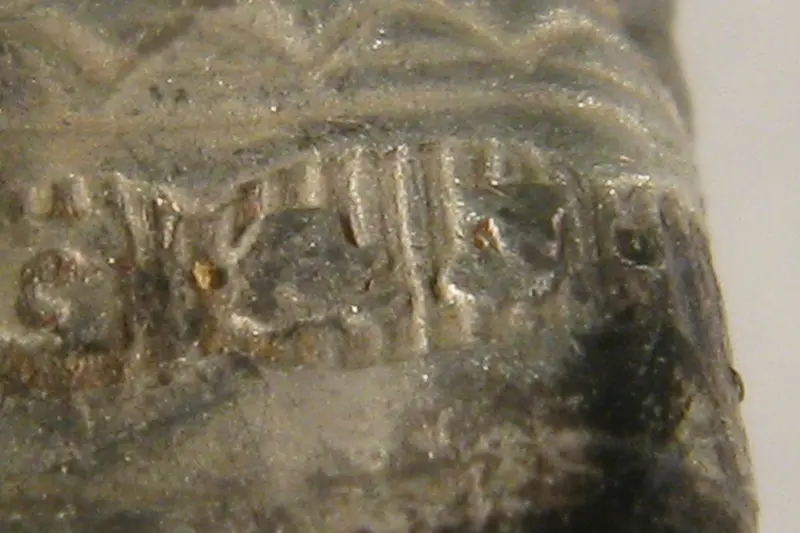
 How to Read a Hallmark in Four Steps
The tiny marks stamped into silver tell you the metal, the town, the year and the maker. Here is how to read them, and what the same marks look like when faked.
 How It Works
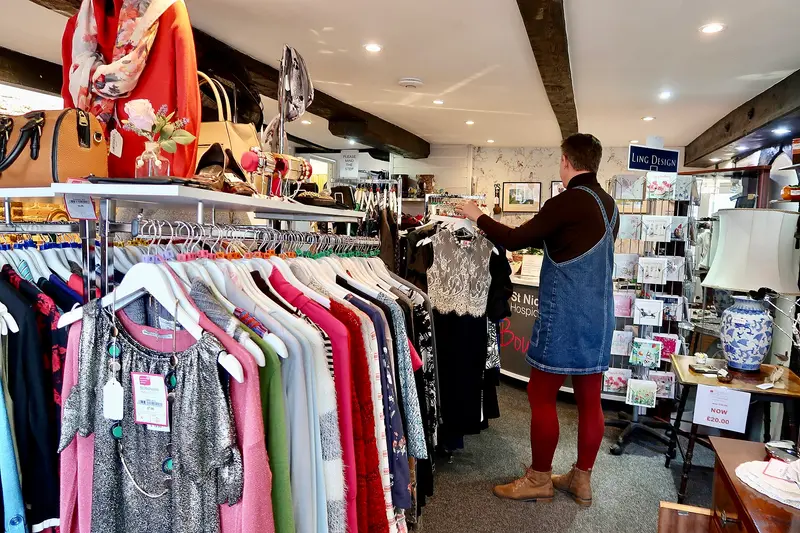
 Eight Signs a Second-Hand Find Is Actually Worth Buying
How to check furniture, china, textiles and tools in about thirty seconds, using the construction details that separate the well-made from the merely old.
 Guess It
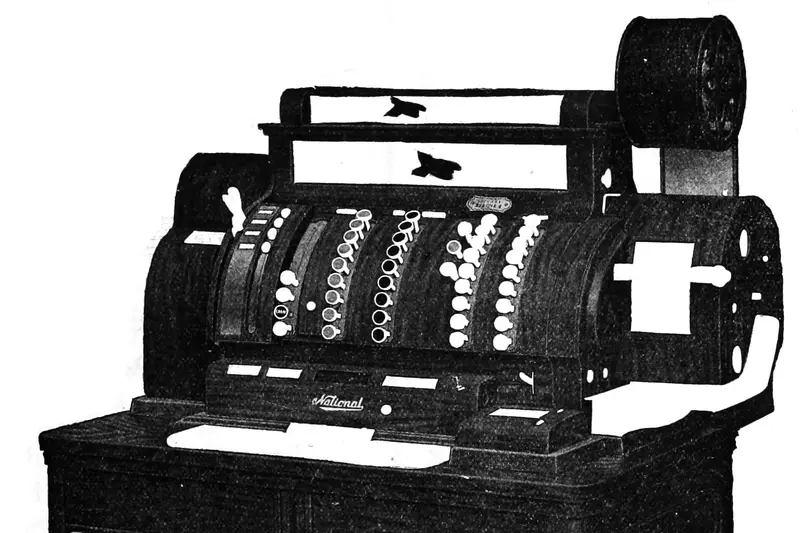
 Which Cost More? Eight Price Comparisons From the Past
Not exact prices, which nobody remembers reliably, but the comparisons: which of two things cost more at the time, and what that says about the period.