
Fashion Through the Decades Then & Now
Ten Fashion Changes That Were Caused by Manufacturing, Not Taste
Hemlines, buttons, pockets and zips all changed for practical reasons: new fabrics, wartime shortages, cheaper machines. Ten examples with the cause attached.

Fashion history is usually told as a story about mood: a decade felt a certain way, and the clothes expressed it.
That is true up to a point, and it leaves out the part that is usually decisive. Clothing is manufactured, and what can be manufactured cheaply determines what can become fashionable at all.
Ten changes below, each with its actual cause, counting up to the one that reshaped the whole industry.
-
Number 10: The zip replaced buttons on most garments
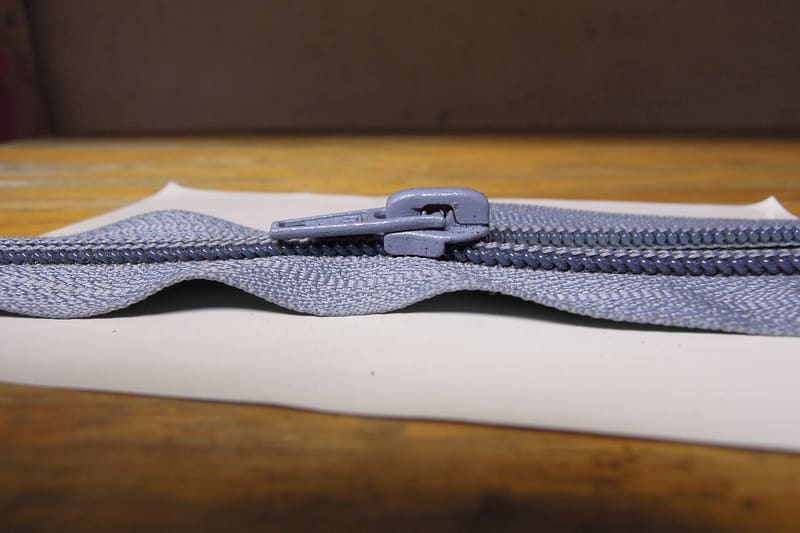
Oto Zapletal — CC0 — Wikimedia Commons Zips existed from the late nineteenth century but took decades to become reliable and cheap enough for general clothing. Their spread through the mid-twentieth century changed construction fundamentally, because a zip needs a different seam and a different cut from a button placket.
-
Number 9: Synthetic fibres changed what clothes could do
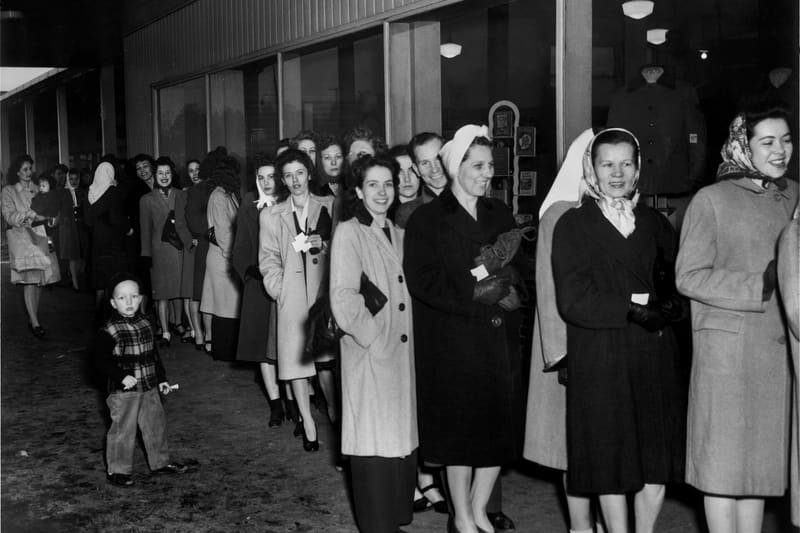
doe-oakridge — Public domain — Wikimedia Commons Nylon, polyester and acrylic arrived at scale from the 1940s onwards, offering drape, stretch and crease resistance that natural fibres could not match at the same price. A great many silhouettes of the following decades are only achievable in synthetics.
-
Number 8: Wartime rationing shortened hemlines and narrowed cuts
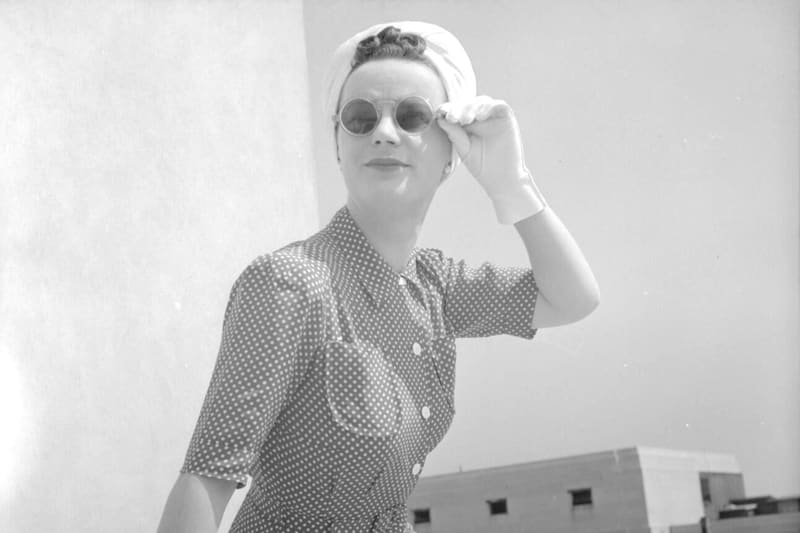
Ministry of Information Photo Division Photographer — Public domain — Wikimedia Commons Cloth rationing during the Second World War imposed explicit restrictions in several countries on fabric use, pleats, pocket numbers and trimmings. Clothing became shorter, straighter and plainer by regulation, and a good deal of it stayed that way afterwards.
-
Number 7: The post-war return to full skirts was a statement about that
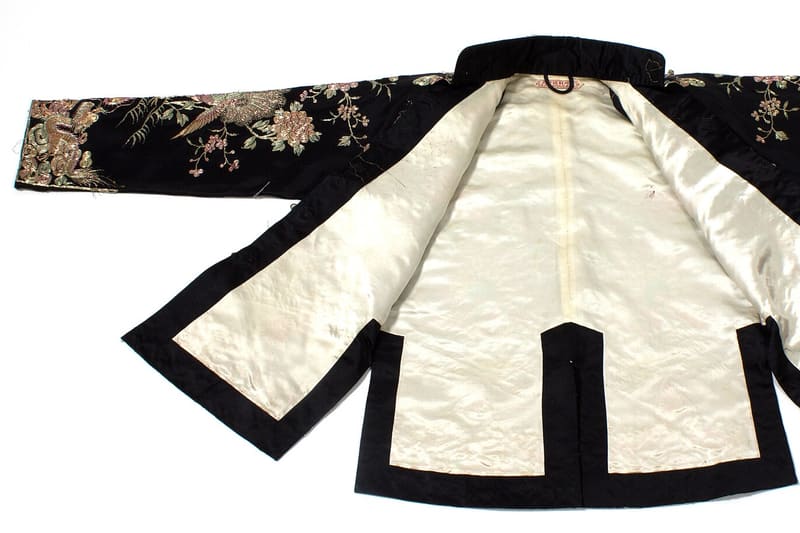
Creator unknown — CC BY 4.0 — Wikimedia Commons The dramatically fuller silhouettes of the late 1940s were widely read at the time as a deliberate reaction to years of restriction. The volume of fabric involved was the point, and it was criticised as wasteful for exactly that reason.
-
Number 6: Standardised sizing came from mass production
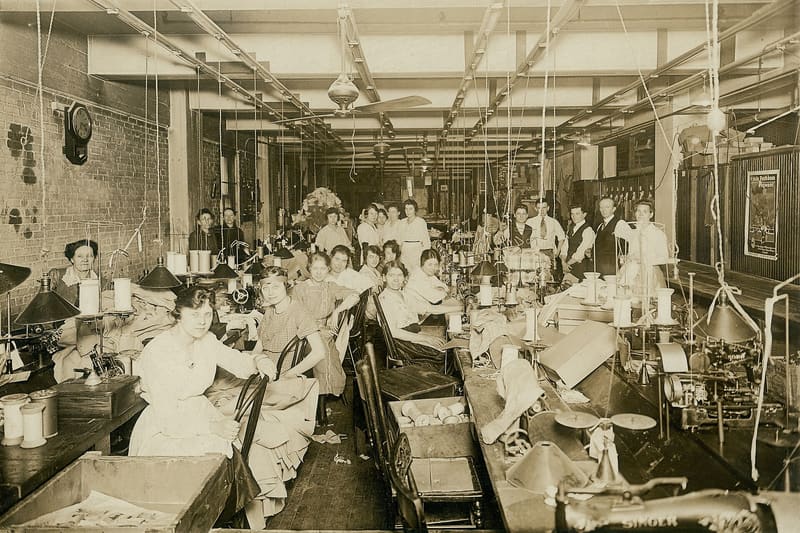
Creator unknown — Public domain — Wikimedia Commons Ready-to-wear clothing required standard sizes, which required measuring large numbers of people. The surveys behind early sizing systems were often unrepresentative, which is a significant part of why sizing has been inconsistent ever since.
-
Number 5: Pockets disappeared from women's clothing for structural reasons
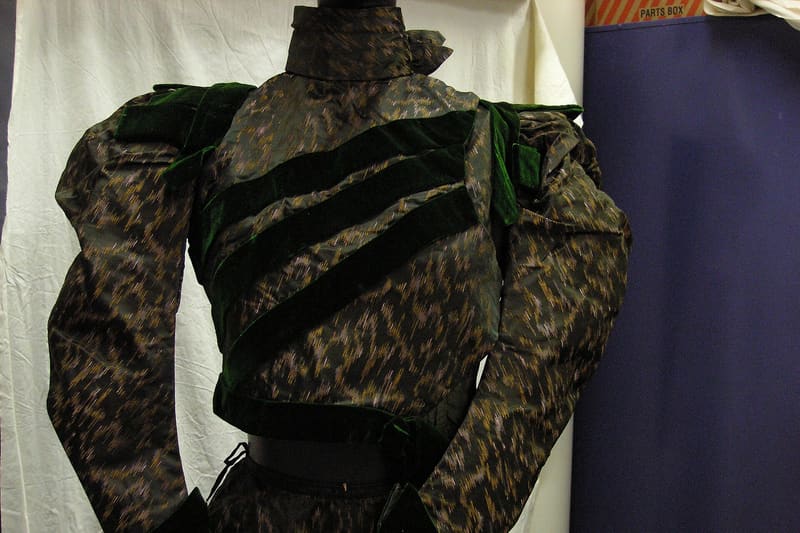
K M Paterson — CC BY 4.0 — Wikimedia Commons Pockets were originally separate tie-on bags worn under the skirt and reached through slits. As silhouettes narrowed in the late eighteenth and nineteenth centuries there was no longer room for them, and the handbag took over the function. The much-discussed pocket gap has a construction history behind it as well as a cultural one.
-
Number 4: Lycra changed what a garment had to be shaped like
Illustration: World of Curious Elastane fibres, introduced in the late 1950s, meant that fit could come from stretch rather than from cutting and shaping. That removed the need for a great deal of structure, and it underlies an enormous share of modern casual clothing.
-
Number 3: The sewing machine made trimming cheap
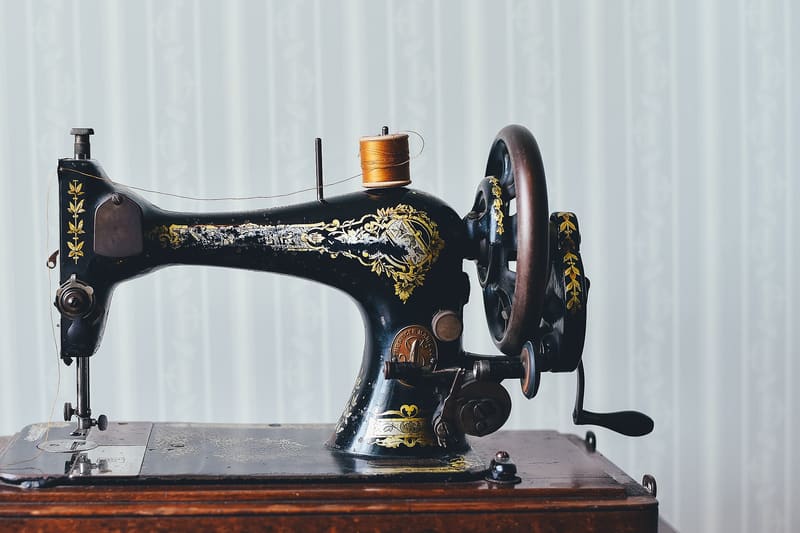
Annie Spratt anniespratt — CC0 — Wikimedia Commons Machine sewing from the mid-nineteenth century made decorative work dramatically cheaper, and the immediate result was more of it. The heavily trimmed look of later Victorian dress is partly a direct consequence of the machine.
-
Number 2: Aniline dyes produced new colours
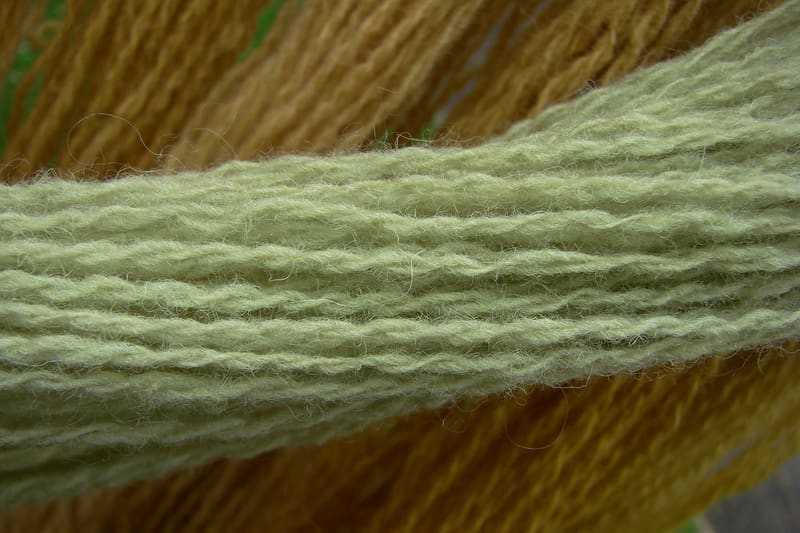
Vassil — Public domain — Wikimedia Commons Synthetic dyes from the 1850s onwards produced colours that had previously been very expensive or impossible, notably strong purples and vivid magentas. Fashion adopted them quickly, and surviving garments from the period are far brighter than most people expect.
-
And the strangest one of the lot
Number 1: The container ship changed everything about how clothes are made
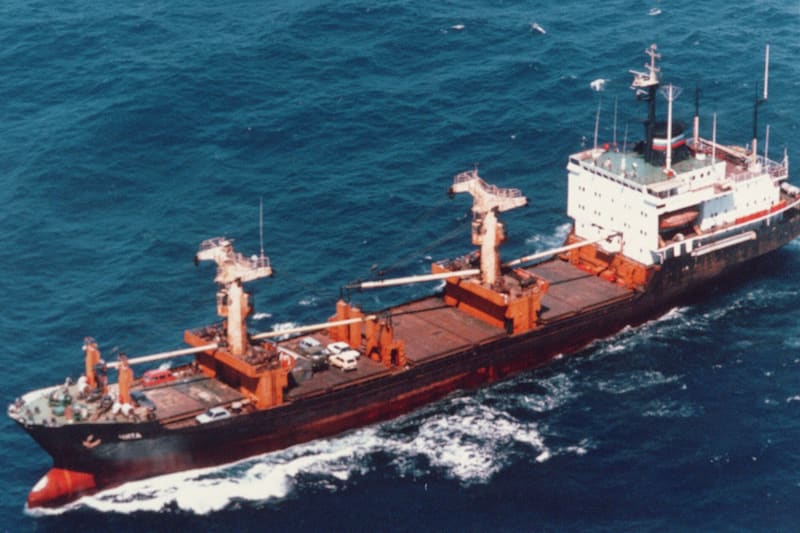
Department of Defense. American Forces Information Service. Defense — Public domain — Wikimedia Commons The largest single change in modern clothing is not a fabric or a silhouette; it is logistics. Cheap, reliable containerised shipping combined with trade liberalisation made it economic to manufacture garments far from where they are sold, which collapsed the cost of clothing relative to income. Falling prices changed what clothing is: from a durable purchase that was repaired, altered and handed on, to something closer to a consumable. Almost every recent trend in fashion, from the pace of the cycle to the decline of alteration and repair, follows from that single economic shift, and the environmental consequences of it are now the main argument in the industry.


.jpg)

.jpg)

.jpg)
.jpg)


The useful question to ask of any change in clothing is what became newly possible or newly impossible. The answer is usually a machine, a material or a price.
Where this came from
- Fashion and textiles collections — Victoria and Albert Museum
- Textile manufacturing history — Science Museum Group
- Costume and dress collections — Museums Victoria
Read next
 Explainer
 How the Hollywood Studio System Actually Worked
Contracts, loan-outs, block booking and a publicity department that invented biographies. The industrial machinery behind the glamour, explained.
Ten Everyday Objects, a Century Apart
The same object in 1925 and today, and the specific reason each one changed: new materials, new rules, cheaper manufacturing or a job that disappeared.
 Explainer
 Ten Television Formats That Were Invented Once and Never Improved
The quiz, the soap, the sitcom, the makeover and the panel show. Where each format came from, and why almost every one of them arrived from radio.