
Strange Islands Countdown
Eight Islands With Genuinely Strange Arrangements
An island in a lake on an island in a lake, a border that swaps every six months, and the most remote inhabited place on Earth. Eight islands and the reasons behind them.

Islands accumulate strangeness. They are discrete, countable and easy to claim, which makes them natural subjects for treaties, exceptions and unusual administrative arrangements.
They are also geologically active in ways that continents are not, so some of them are genuinely new, and a few are genuinely temporary.
Eight of them, counting up to the one that bends time.
-
Number 8: The island that changes country twice a year
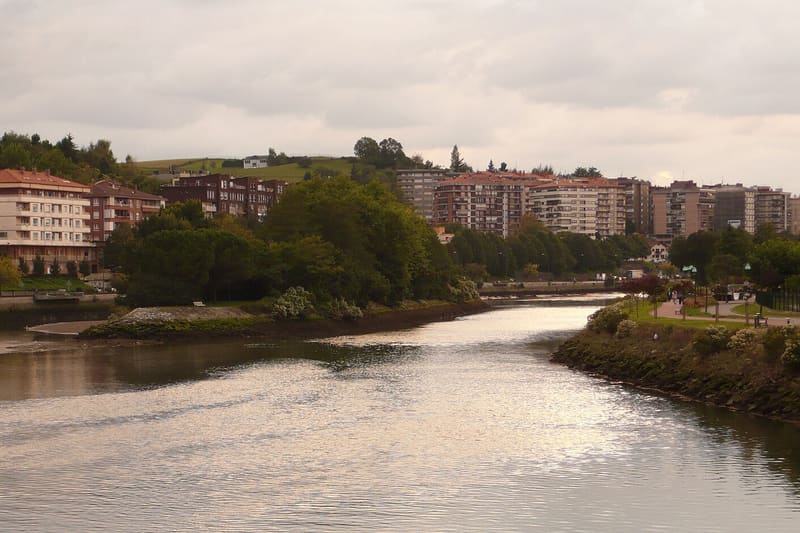
Ignacio Gavira — CC BY 2.5 — Wikimedia Commons Pheasant Island in the Bidasoa river is administered by Spain for six months and France for the other six, under an arrangement dating from the seventeenth century. The handover happens on a fixed date and the island is essentially uninhabited, which is what makes the arrangement workable.
-
Number 7: The most remote inhabited island
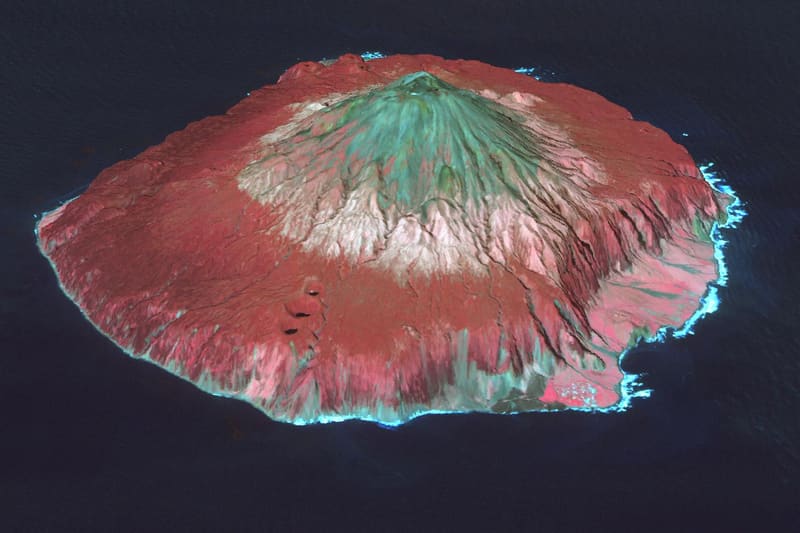
NASA/METI/AIST/Japan Space Systems, and U.S./Japan ASTER Science Team — Public domain — Wikimedia Commons Tristan da Cunha in the South Atlantic is generally cited as the most remote permanently inhabited place on Earth, well over two thousand kilometres from the nearest inhabited land. There is no airstrip, and access is by sea.
-
Number 6: The island split between two countries with a treaty older than most states
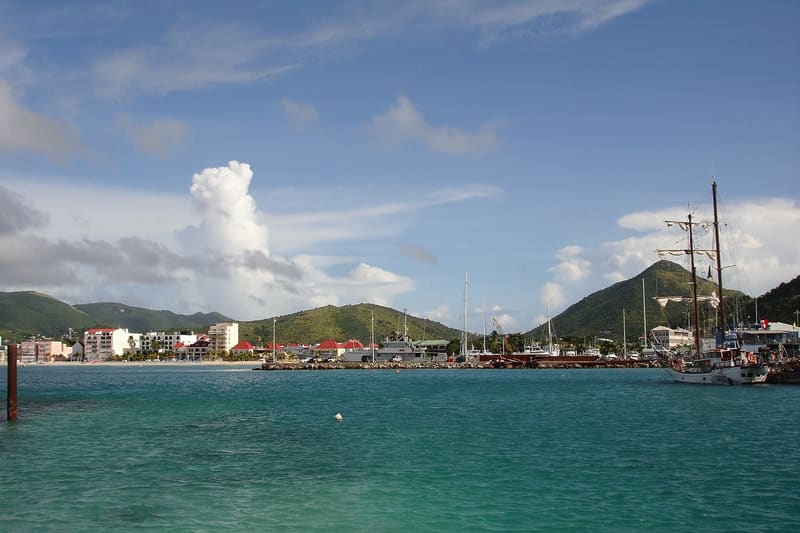
MARELBU — CC BY 3.0 — Wikimedia Commons Saint Martin in the Caribbean has been divided between French and Dutch administration since the seventeenth century, with an open internal border. The division has survived a remarkable amount of subsequent European history.
-
Number 5: The recursive island
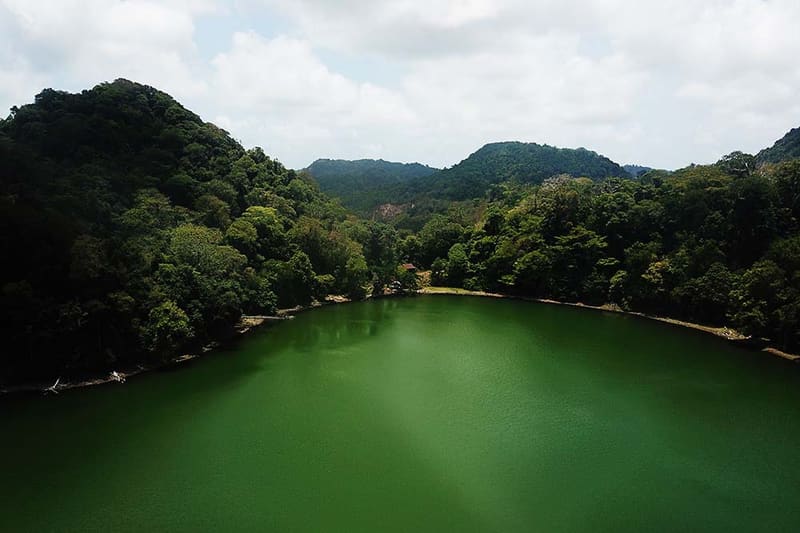
Regency Government of Gresik — Public domain — Wikimedia Commons In a lake on Victoria Island in Canada there is an island, and on that island there is a lake, and in that lake there is another island. This nesting is visible on satellite imagery and is often cited as the deepest confirmed example of the pattern.
-
Number 4: The islands that appear and disappear
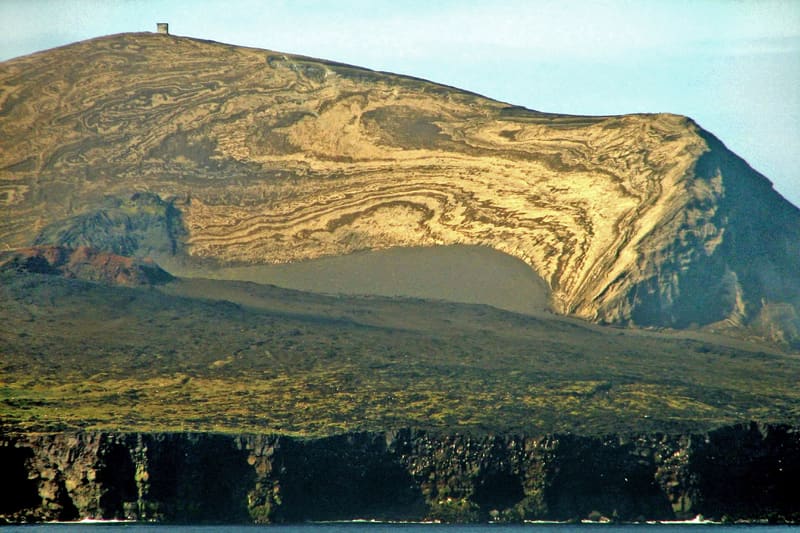
CanonS2 — CC BY-SA 2.0 — Wikimedia Commons Volcanic activity occasionally produces new islands, some of which persist and some of which erode away within a few years. Surtsey, off Iceland, emerged in the 1960s and has been protected as a scientific site to study how life colonises new land.
-
Number 3: The artificial islands built to claim water
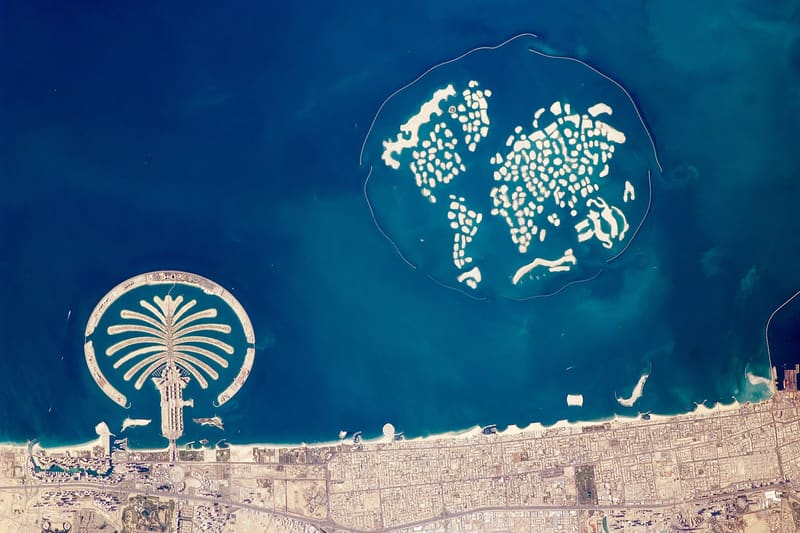
Member of the Expedition 22 crew — Public domain — Wikimedia Commons Constructed islands have been built for airports, ports, housing and resource extraction. Under international law, an artificial island does not generate the same territorial claims as a natural one, which is why the distinction between the two has become legally significant.
-
Number 2: The island with one permanent resident
Illustration: World of Curious Several small islands around the world have had, at various times, a single permanent inhabitant, usually a caretaker, lighthouse keeper or landowner. These arrangements tend to end when a service is automated or a ferry is withdrawn.
-
And the strangest one of the lot
Number 1: The island that is two days at once
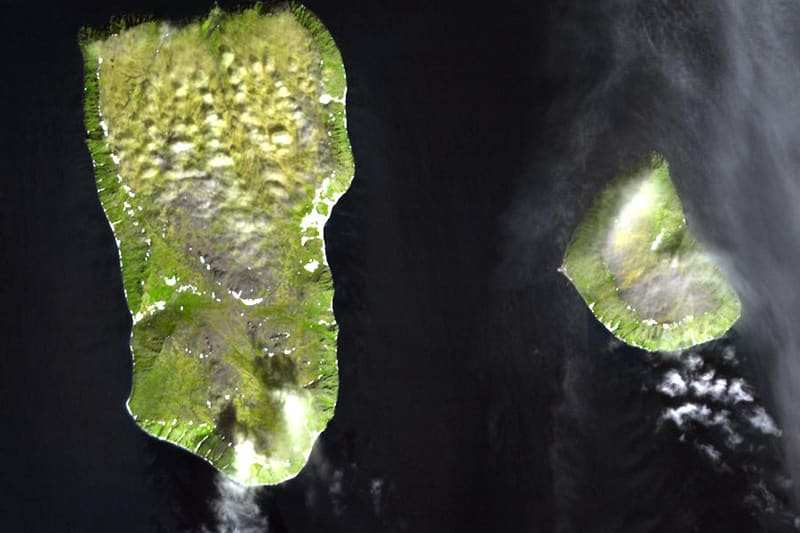
NASA/METI/AIST/Japan Space Systems, and U.S./Japan ASTER Science Team — Public domain — Wikimedia Commons The International Date Line does not run straight. It bends substantially to keep island groups on the same calendar day as their neighbours and trading partners, which is why it has such an eccentric shape. In the Bering Strait, the Diomede Islands sit roughly four kilometres apart with the line between them, which means that in local terms one is almost a full day ahead of the other. Several Pacific nations have also shifted which side of the line they sit on, most notably when Samoa moved across in 2011 to align its working week with Australia and New Zealand, skipping a calendar day entirely in the process. It is the clearest demonstration available that time zones are an administrative decision rather than a natural fact.


.jpg)
_-_the_southern_half_of_the_Caribbean_island_of_Saint_Martin_-_panoramio.jpg)


.jpg)
Most island oddities are legal rather than geological. The land is ordinary; the arrangements around it are not.
Where this came from
- Geographic names and island data — United States Geological Survey
- Territorial arrangements and treaties — United Nations
- Geographic reference — Encyclopaedia Britannica
Read next
 Countdown
 Eight Landscapes That Look Edited and Are Not
Pink lakes, striped mountains and ground that has been burning for decades. Eight places that look impossible, with the geology that explains each one.
 Countdown
 Ten Facts About the Size of Australia That Never Quite Sink In
Australia is mostly a scale problem. Ten comparisons that make the distances legible, including the ones that surprise Australians.
 Explainer
 Eight Borders That Make No Sense, and the Reason Each One Exists
Enclaves inside enclaves, a border through a library, and a line drawn with a ruler. Eight border oddities, each with a straightforward historical explanation.