
Old-Fashioned Home Hacks Myth or Fact
Twelve Old Household Tricks, and Which Ones Actually Work
Twelve pieces of household know-how from before the cupboard filled with sprays, sorted honestly into the ones with real chemistry behind them and the ones that are folklore.

Household advice is passed down rather than tested, which means it arrives as a mixture of real chemistry and confident folklore, delivered in exactly the same tone.
Sorting them out is worth doing, because the good ones are very good — cheaper, gentler and more effective than the specialist product sold to replace them — and the bad ones can do real damage.
Twelve of them below, honestly labelled.
-
Number 12: WORKS — Bicarbonate of soda for absorbing smells
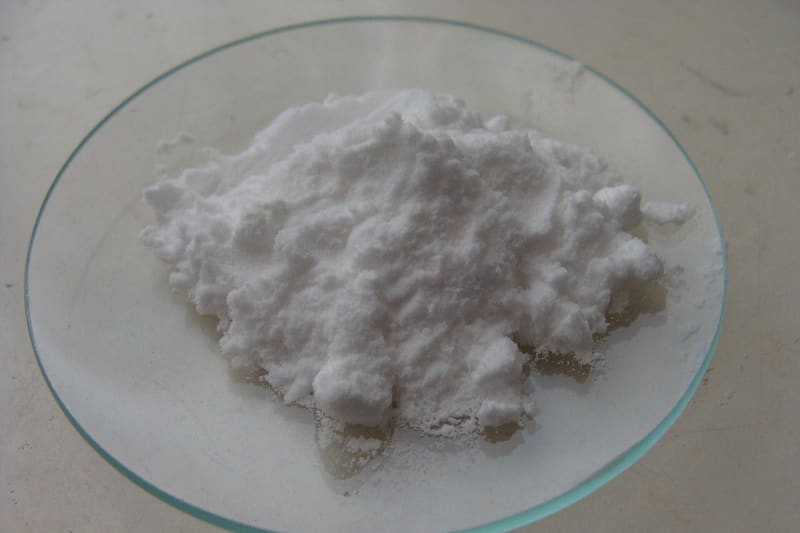
Tszrkx — Public domain — Wikimedia Commons It genuinely works, and the mechanism is straightforward: bicarbonate is a weak base and neutralises many of the acidic compounds that cause odours in fridges and bins. An open tub does need replacing every few months, because it becomes saturated.
-
Number 11: WORKS — Vinegar for limescale

Illustration: World of Curious This is vinegar's best trick. Limescale is calcium carbonate, an alkali, and acetic acid dissolves it. A kettle descaled with vinegar and then boiled twice with fresh water is genuinely clean. Do not use it on natural stone, which is also a carbonate and will etch.
-
Number 10: DOES NOT WORK — Vinegar as a disinfectant
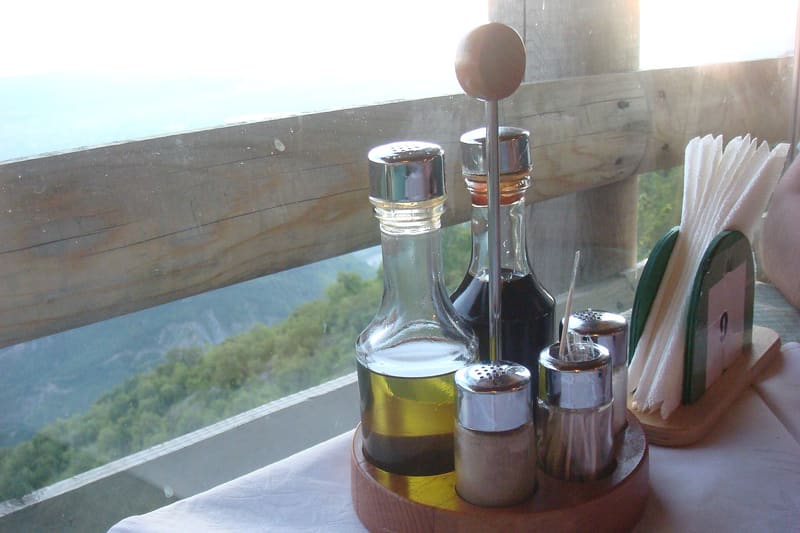
haitham alfalah — CC0 — Wikimedia Commons It has some antimicrobial effect but it is weak and slow compared with a proper disinfectant, and it does not reliably deal with the organisms you would actually want to kill in a kitchen. For cutting boards after raw meat, use hot soapy water and a suitable disinfectant.
-
Number 9: WORKS — Cold water first on a protein stain
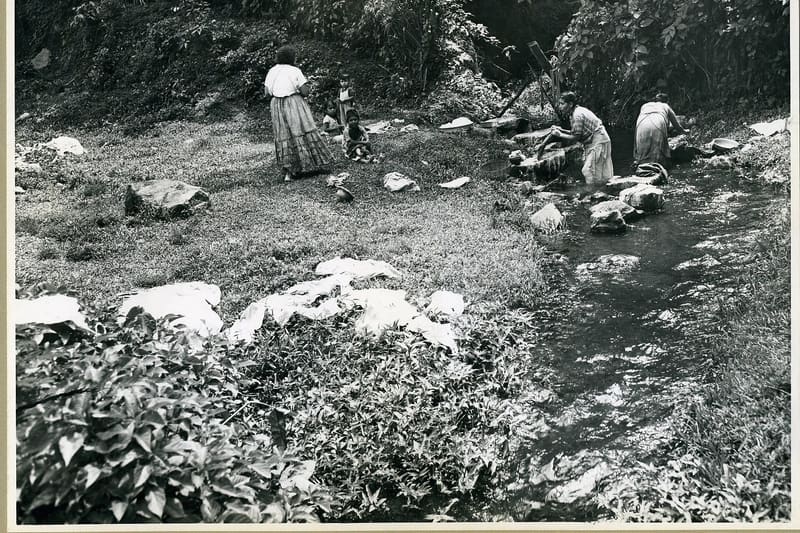
Creator unknown — Public domain — Wikimedia Commons Blood, egg and milk are protein stains, and heat sets them by denaturing the protein into the fibre. Cold water and patience first, then washing. Hot water first is one of the few laundry mistakes that is genuinely irreversible.
-
Number 8: WORKS — Salt on a red wine spill, but only as a holding measure
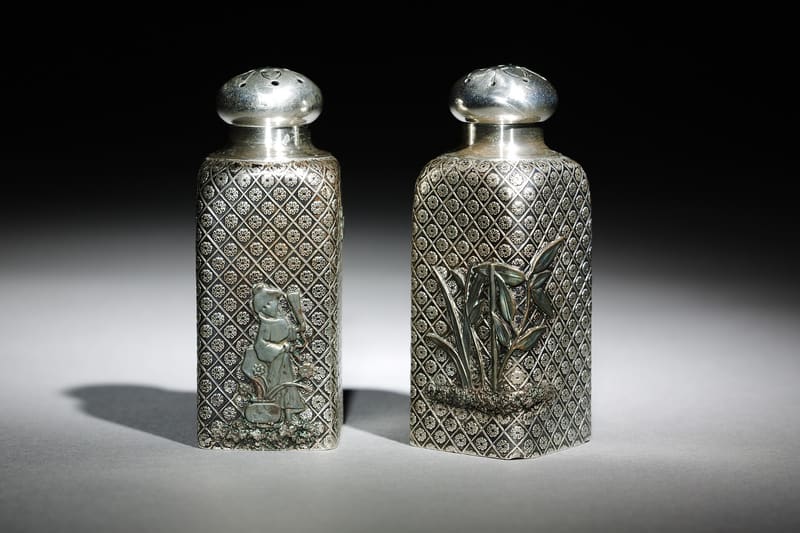
Gorham Manufacturing Company — CC0 — Wikimedia Commons Salt absorbs liquid and stops the spill spreading while you find something better. It does not remove the stain. The actual removal is done afterwards with a suitable stain treatment, and the sooner the better.
-
Number 7: MOSTLY FOLKLORE — Vinegar and bicarbonate mixed together
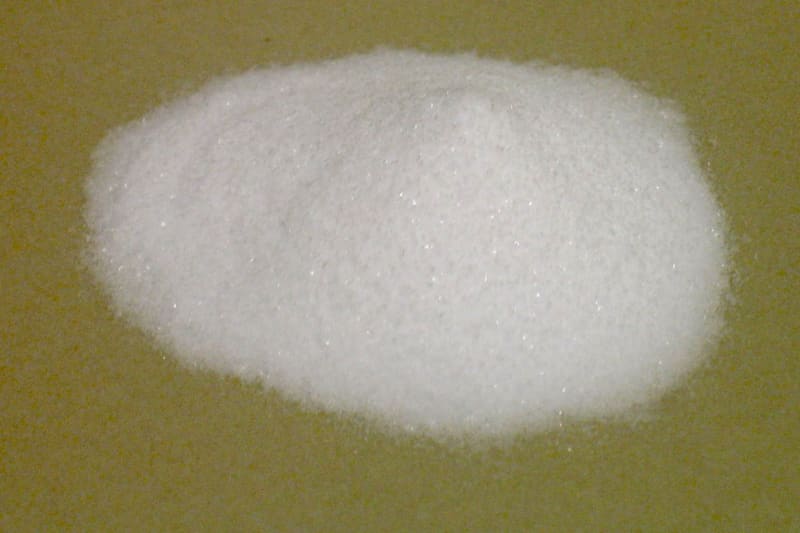
Thavox — Public domain — Wikimedia Commons Combining an acid and a base produces an impressive fizz and, when it stops, a weak salt solution that is less useful than either ingredient on its own. The mechanical foaming can help shift a loose blockage, which is why the trick survives. Use them separately.
-
Number 6: WORKS — A newspaper or a lint-free cloth for windows
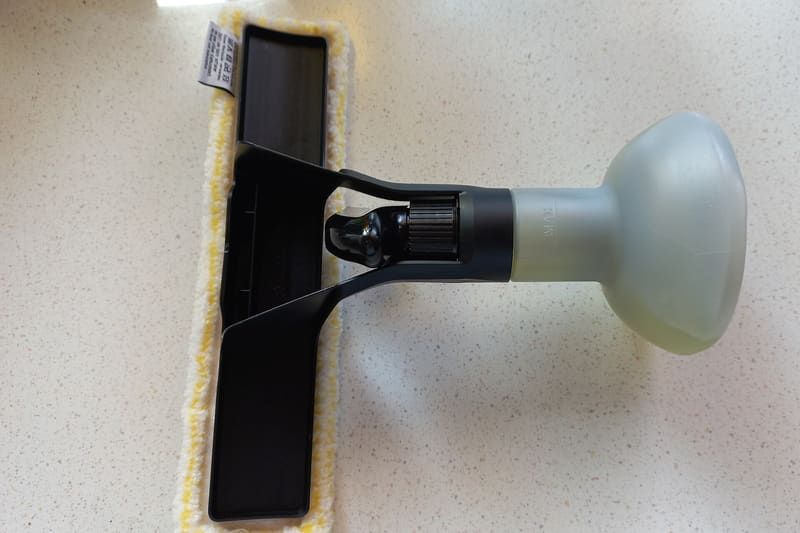
Asurnipal — CC BY-SA 4.0 — Wikimedia Commons The reason is texture rather than magic: neither leaves lint, so there is nothing to catch the light. A microfibre cloth does the same job better. The important part is drying in one direction, so any streak you have left is easy to spot and buff out.
-
Number 5: WORKS — Bar soap on a sticking drawer or window
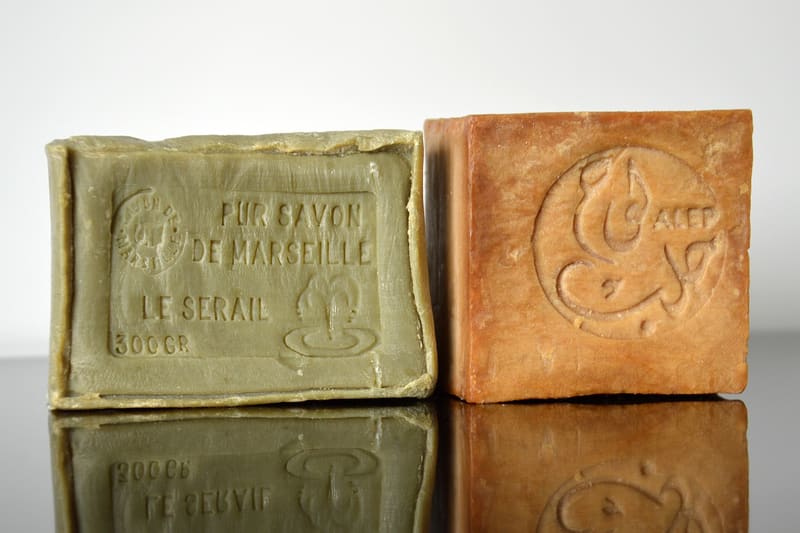
DimiTalen — CC0 — Wikimedia Commons Rubbing a candle stub or dry soap on the runner is genuine lubrication and has been standard practice in joinery for a very long time. It is preferable to oil on wood, which soaks in and attracts dust.
-
Number 4: DOES NOT WORK — Putting hot water on a frozen pipe or a frozen windscreen
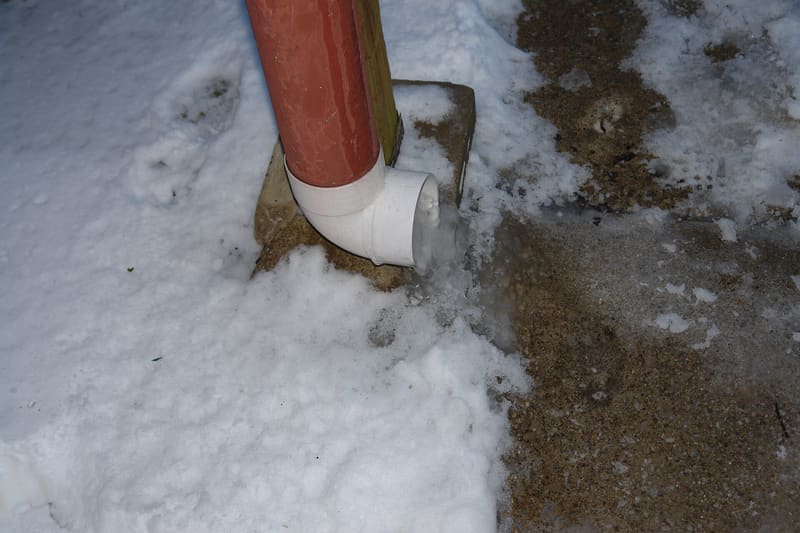
Colbyscudder — CC BY 4.0 — Wikimedia Commons Thermal shock can crack a pipe or a windscreen. On pipes, use gentle warmth along the length. On glass, use the demister and a proper scraper. This one has been repeated for generations and causes real damage.
-
Number 3: WORKS — Bread to lift broken glass

Nutrition, Food Safety Health — CC0 — Wikimedia Commons A slice of soft bread pressed gently over an area picks up fine slivers that a brush pushes around. Then vacuum. It is genuinely one of the better old tricks and is still recommended.
-
Number 2: PARTLY TRUE — Airing a room reduces damp
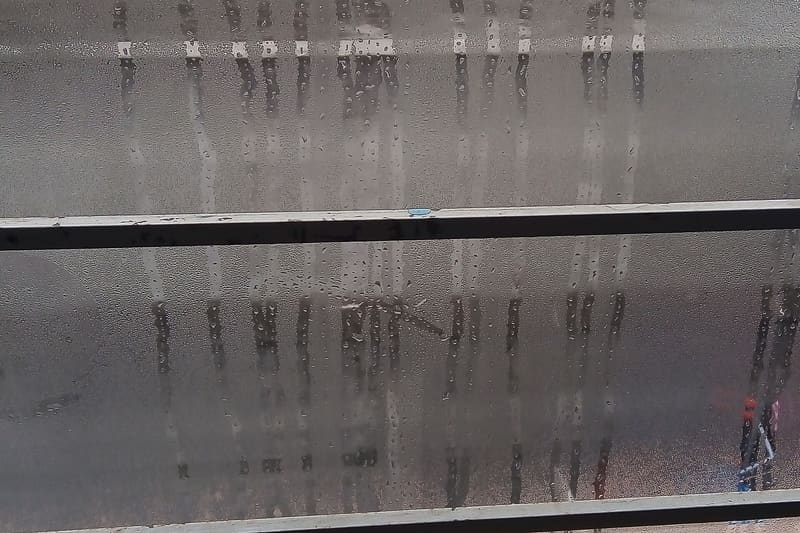
Doggo19292 — Public domain — Wikimedia Commons Ventilation genuinely helps, because it removes moisture-laden air produced by cooking, washing and breathing. It is not a substitute for dealing with the source. If condensation keeps appearing on the same wall, the answer is insulation and heating, not more open windows.
-
And the strangest one of the lot
Number 1: WORKS, AND MATTERS MOST — Deal with it immediately

Illustration: World of Curious This is the one that sits behind almost every successful old household trick, and it is the reason our grandparents appeared to have better methods than we do. They did not, particularly. What they had was a habit of dealing with things while they were still wet, still loose, still warm, still new. Almost every stain is removable in the first five minutes and permanent after a week. Almost every small repair is trivial before it becomes structural. The single most effective piece of household knowledge on this list is not a substance at all: it is not leaving it until Saturday.


-01ASD.jpg)


Where a trick has survived a hundred years it is usually because it genuinely works. Where it has survived because it looks dramatic, that tends to show.
Editor's note: Never mix bleach with anything containing ammonia or with acids such as vinegar. The reaction releases toxic gases. If in doubt, use one product at a time and rinse in between.
Where this came from
- Household chemistry and cleaning agents — Royal Society of Chemistry
- Care of collections: cleaning materials — Victoria and Albert Museum
- Stain removal and laundry guidance — Which?

Read next
 Explainer
 Five Cleaning Combinations to Never Make, and Why
The chemistry behind the warnings on the back of the bottle, explained plainly: what reacts with what, what it produces, and the one habit that avoids all of it.
 Guess It
 There Is One in Almost Every Kitchen Drawer. What Was It Actually For?
A flat metal disc with a wooden handle and a rippled edge, found in kitchen drawers everywhere. Here is what it did, and the three objects people usually confuse it with.
 Guess It
 What Was This Strange Household Object Actually Used For?
A heavy glass dome with a hole in the top, found in sideboards and attics everywhere. Three plausible answers, and one that is correct.