
Gardening Myth or Fact
Ten Gardening Rules That Turn Out to Be Optional
Gardening advice is full of confident instructions with no reasoning attached. Ten of the most repeated rules, and what the evidence actually supports.

Gardening advice has a particular style: confident, imperative and unexplained. Do this in March. Never do that. Always add the other.
Some of it is excellent. Some is regional advice that stopped making sense when it travelled, and some is simply repeated because it has always been repeated.
Ten of the most common, with the reasoning attached, counting up to the one that makes the rest optional.
-
Number 10: MOSTLY MYTH — Watering in sunshine scorches leaves
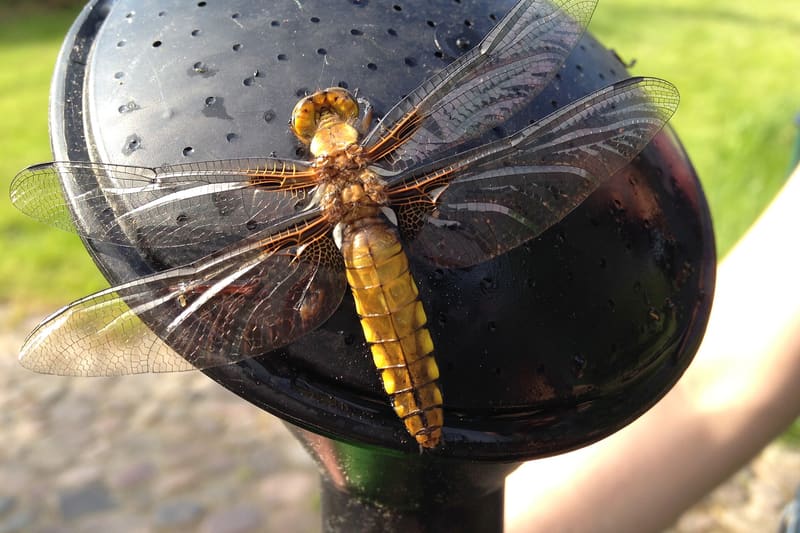
Alorin — CC0 — Wikimedia Commons The idea is that water droplets act as lenses. For most garden plants, under normal conditions, this does not cause damage. There is a genuine reason to water early or late, but it is evaporation: you lose considerably less water to the air, so more of it reaches the roots.
-
Number 9: MYTH — Put crocks in the bottom of a pot for drainage
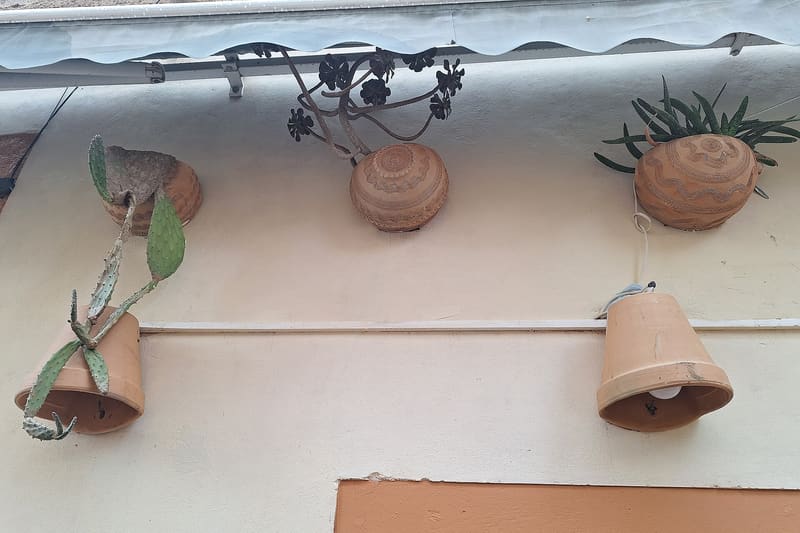
Steffen Mokosch — CC BY-SA 4.0 — Wikimedia Commons A layer of coarse material at the base of a container actually raises the level at which water sits in the compost, because of how water moves between materials of different texture. Modern horticultural advice is to fill the pot with compost and make sure the drainage hole is clear.
-
Number 8: PARTLY TRUE — Never plant out before the last frost
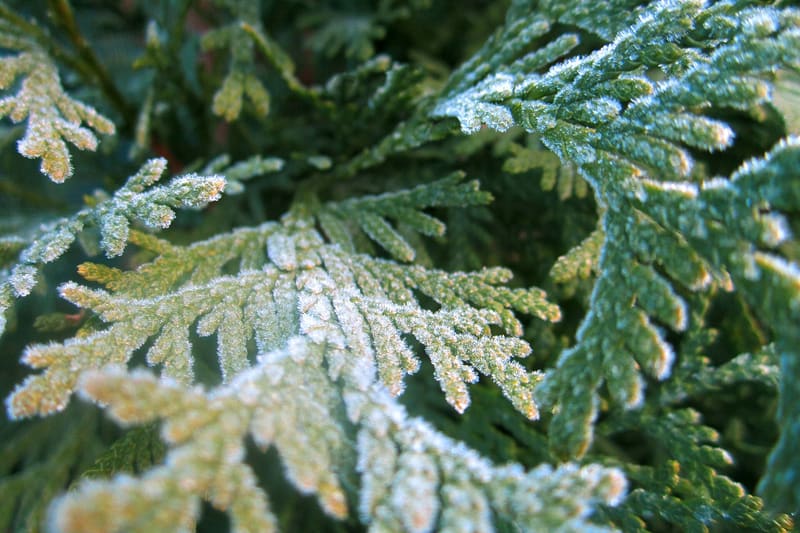
Jakupica — CC BY-SA 4.0 — Wikimedia Commons Sound advice for tender plants, and irrelevant for hardy ones. The useful version is to know which of your plants are frost-tender and to know your own local last-frost date, which can vary by weeks across a short distance.
-
Number 7: MYTH — You must not compost cooked food, ever
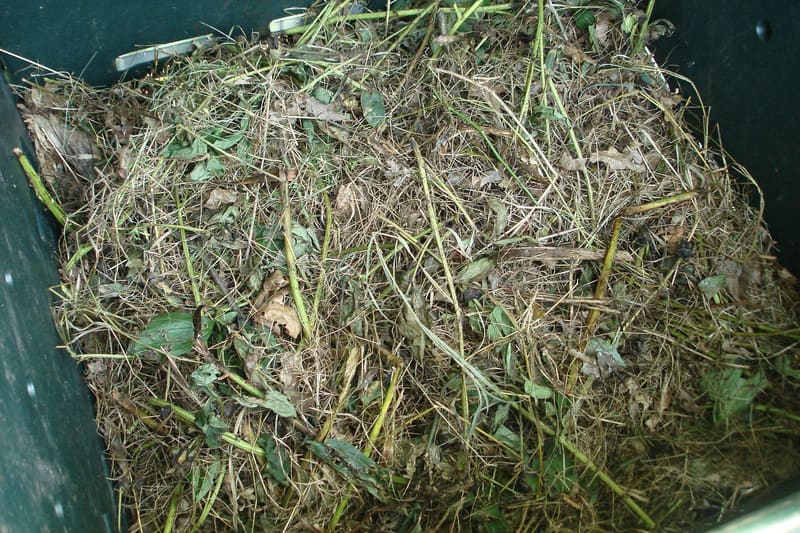
Ksd5 — CC0 — Wikimedia Commons The concern is pests and smell rather than the composting itself. A well-managed hot heap or a sealed system handles cooked waste. An open cold heap in a garden with foxes or rats is a different proposition, which is where the blanket rule came from.
-
Number 6: MYTH — Adding sand fixes clay soil
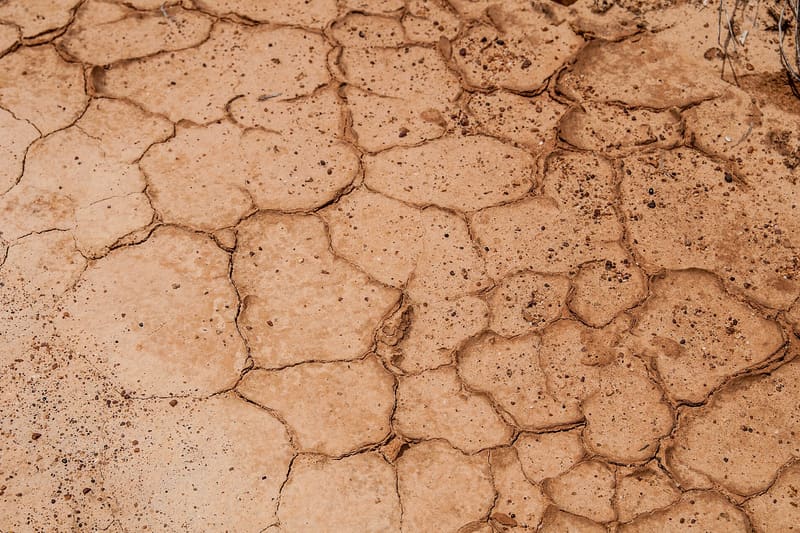
Wilfredor — CC0 — Wikimedia Commons Sand mixed into clay in small quantities can make the problem worse, producing something denser. What improves clay is organic matter, applied repeatedly over years. There is no quick fix, and that is genuinely the answer.
-
Number 5: TRUE — Water deeply and less often
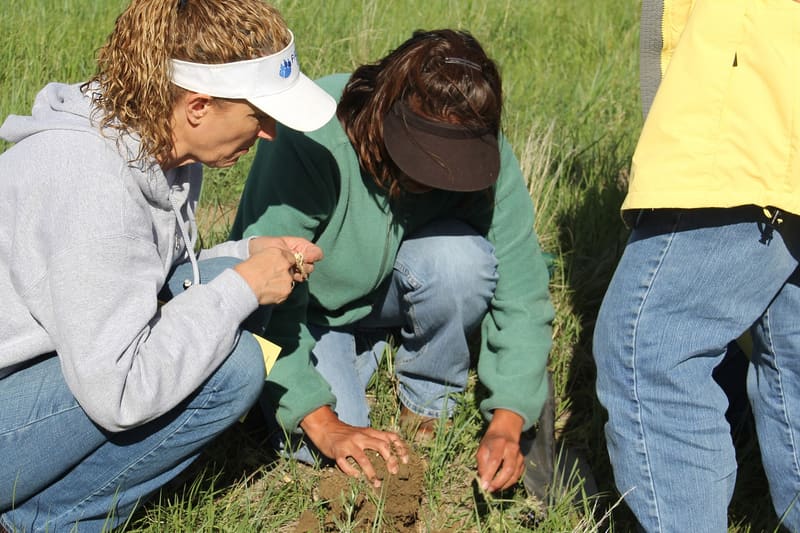
USDA NRCS South Dakota — Public domain — Wikimedia Commons A light daily sprinkle encourages shallow roots near the surface, which then suffer the moment you stop. A thorough soak less frequently drives roots downwards, and a deep-rooted plant is far more resilient in a dry spell.
-
Number 4: MYTH — Everything needs feeding regularly
Illustration: World of Curious Plants in the ground in reasonable soil, particularly established shrubs and trees, generally do not need routine feeding. Containers are the exception, because the plant has access to a finite quantity of compost and will exhaust it.
-
Number 3: PARTLY TRUE — Prune in winter
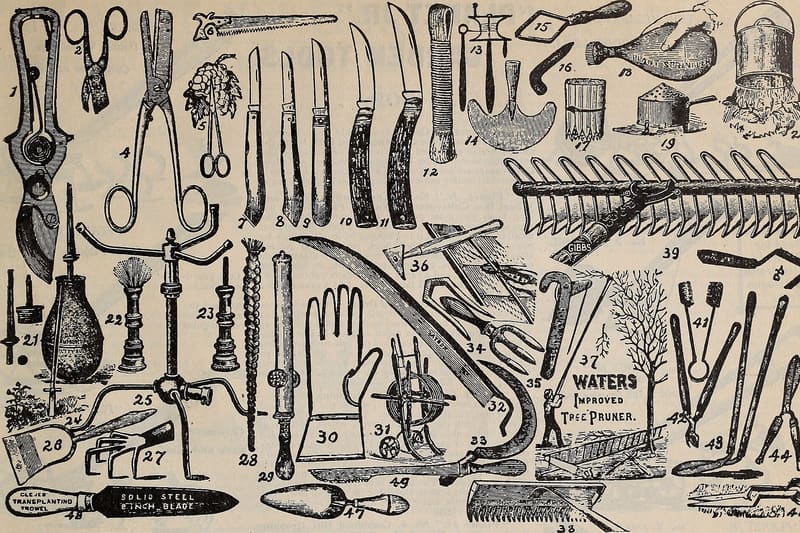
Steele, Briggs Seed Co; Henry G. Gilbert Nursery and Seed Trade Catalog — No restrictions — Wikimedia Commons It depends entirely on the plant. Many things are pruned in the dormant season; many spring-flowering shrubs flower on growth made the previous year, so a winter prune removes the flowers. The rule worth remembering is to prune spring-flowering shrubs straight after they flower.
-
Number 2: MYTH — Bare soil is tidy
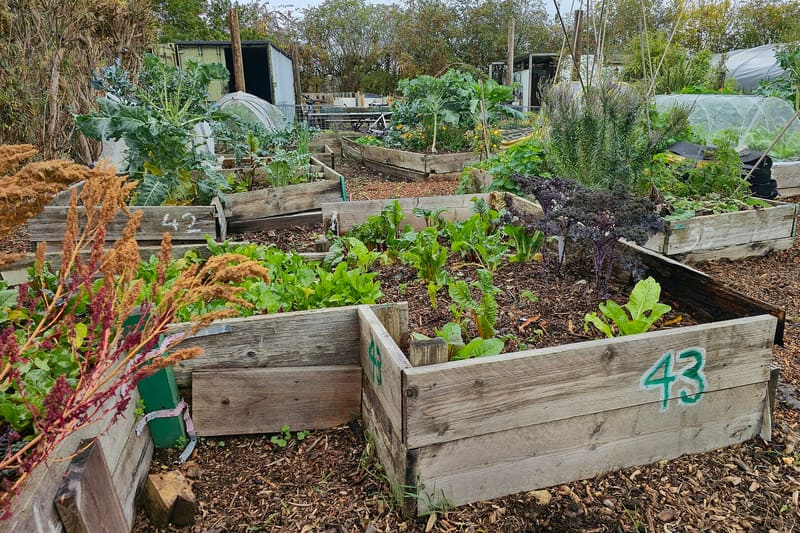
Acabashi — CC BY-SA 4.0 — Wikimedia Commons Bare soil loses moisture, erodes, compacts under rain and grows weeds. A mulch or a ground-cover planting does more for a bed than any amount of hoeing, and the tidiness standard is aesthetic rather than horticultural.
-
And the strangest one of the lot
Number 1: THE ONE THAT ACTUALLY MATTERS — Right plant, right place
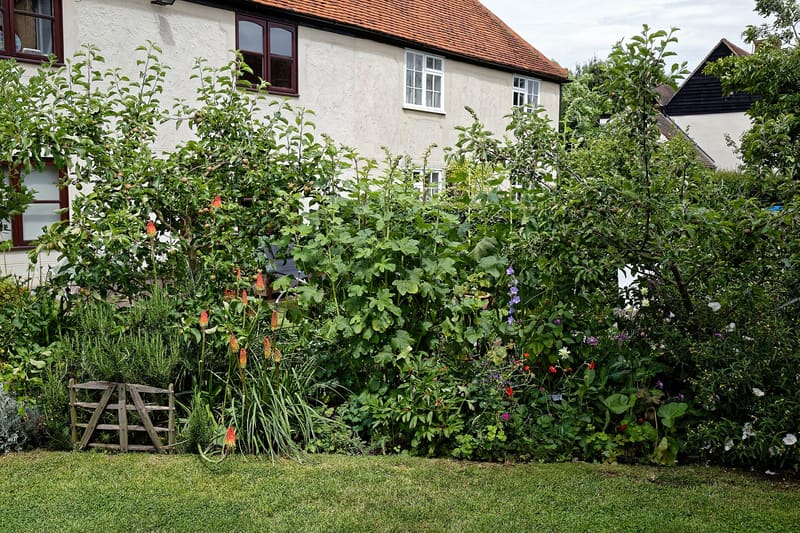
Acabashi — CC BY-SA 4.0 — Wikimedia Commons This is the rule that makes most of the others unnecessary. A plant suited to your soil, your aspect, your rainfall and your temperature range will largely look after itself, and a plant that is not will need feeding, watering, staking, protecting and replacing. Almost all the labour in a struggling garden comes from arguing with conditions rather than working with them. Look at what grows well in neighbouring gardens and in the hedgerows nearby; that is free, local, extremely reliable data, and it is worth more than any general rule on this list.


.jpg)
_(20381168688).jpg)


The useful question to ask of any gardening instruction is simply why. If nobody can tell you, it is probably a habit rather than a rule.
Where this came from
- Gardening advice and plant science — Royal Horticultural Society
- Soil science and composting research — Royal Botanic Gardens, Kew
- Horticultural research summaries — Encyclopaedia Britannica

Read next
 Myth or Fact
 Eight Famous Film Production Stories, and Which Ones Hold Up
Film sets generate legends faster than any other workplace. Eight of the most repeated stories, sorted into the documented, the disputed and the invented.
 Myth or Fact
 Myth or Fact: Eight Things Everyone Says About the Pyramids
Slaves, aliens, mummy curses and the cat that was worshipped. Eight widely repeated claims about ancient Egypt, checked against the evidence.
 Myth or Fact
 Ten Word Origins: Six Are Real and Four Are Completely Invented
Etymology attracts more invented stories than almost any subject. Ten origins, honestly sorted, plus the one test that catches nearly every fake.