
Workplace Drama Story
Nothing Dramatic Happened to Karen. It Rarely Does.
Part five of five. What actually changed was smaller than justice and considerably more useful, and it is the reason he gives the advice he gives.
Original fictional story. Written for World of Curious. The people and events in it are invented. Our fiction policy.
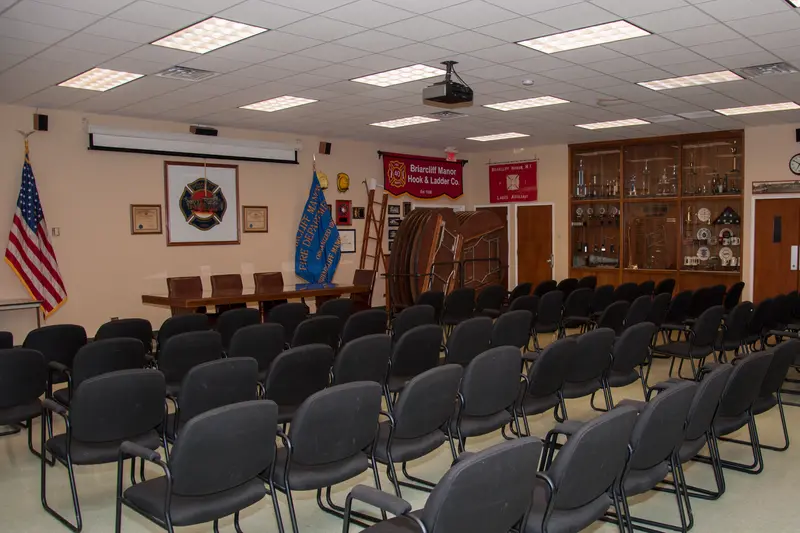
On the Wednesday the director asked him three questions.
All three were about the cohort definition. The third one was genuinely hard and Ade had to think about it in the room, and said so, and said he would come back with a proper answer rather than a fast one, which he has since been told was the moment the whole thing turned.
Then the director sat back and said: “Right. Who else has seen this?”
“Karen’s had every draft,” said Ade.
“Yes,” said the director.
That was all. One word, in a tone that closed the topic, and they moved on to the follow-up session.
Ade has replayed that “yes” a great many times. It contained, as far as he can tell, no surprise whatsoever.
Nothing dramatic happened to Karen.
Nobody was marched out of a building. There was no meeting where somebody produced the deck and asked her to explain herself. She was not, as far as Ade knows, ever spoken to about it at all, and if she was, nobody has ever told him, and he has decided he does not want to know.
He has made a kind of peace with that, and it took about a year. The version of this story that people want — the one where she is publicly found out — does not happen very often, and he thinks it is actively unhelpful that it is the only version anyone tells.
What happened instead was smaller and, he thinks, considerably more useful.
He presented the follow-up himself, on the fourteenth. Karen introduced him, warmly, and sat at the side.
He was copied directly into the next three pieces of work in that area, by the director, at the start rather than at the end.
An invitation appeared, twice, to a Thursday thing he had not previously been at.
Eight months later a role came up one level above his, and the director’s name was on the panel, and Ade got it. He does not claim the timeline won him the job. He claims it got him into the room where the job was visible, which is a different and more honest thing.
Karen left the following year for something that sounded like a promotion and, according to Preeti, was not.
The advice Ade gives now is not “keep a record”, although that is part of it, and it is the part everybody remembers and gets wrong.
People hear “keep a record” and they start building a case. They save things in order to win an argument, and you can tell, because the folder is called something like EVIDENCE, and because every so often they read it again to feel the feeling.
That is not what the document was for.
“The record is not for the argument,” he says. “I never had the argument. I had a coffee that went nowhere and that was the end of it.”
“The record is so that when somebody senior finally asks a question — and they always eventually ask a question — you can answer it in one email, with dates, and without sounding like a person with a grievance.”
Then he says the bit that the two younger colleagues both wrote down.
“The grievance is real. It is just not evidence. And the moment you put the two in the same email, you lose both of them.”
Slide nine is still wrong, incidentally.
The deck is on the shared drive, in a folder that has since been migrated twice, and somebody built a version of it for a board pack the following spring, and the typo went in there too.
Ade noticed, and thought about fixing it, and did not.
Read next
 Story
Story He Knocked, the First Time. That Matters, Because of How It Was Described Later.
Part one of five. After the storm, the new fence went back up eleven centimetres out. Colin measured it, then went round with a tea towel still on the go next door.
 Story
Story He Said He Had Taken the Job. Not That He Had Been Offered It.
Part one of five. Marianne was holding a colander of green beans when her husband told her, in the past tense, that they were moving eleven hundred kilometres.
 Story
Story They Moved in February. Fixing the Tense Took Two Years.
Part five of five. The move was right. That turned out to be the complicating factor rather than the ending.