
Bizarre Food Facts Myth or Fact
Twelve Foods That Are Not Botanically What You Think They Are
Bananas are berries, strawberries are not, and almonds are not nuts. Twelve everyday foods in the wrong category, with the actual rule explained.

Botanical classification is not trying to describe how food tastes or what you do with it. It describes which part of the plant something is and how it developed from the flower, which is a completely different question from whether it belongs in a pudding.
That is why so many of these feel like gotchas. They are not, really — they are two systems answering different questions, and the disagreements are where the interesting information sits.
Twelve of them, counting up to the one that is genuinely hard to believe.
-
Number 12: A banana is a berry
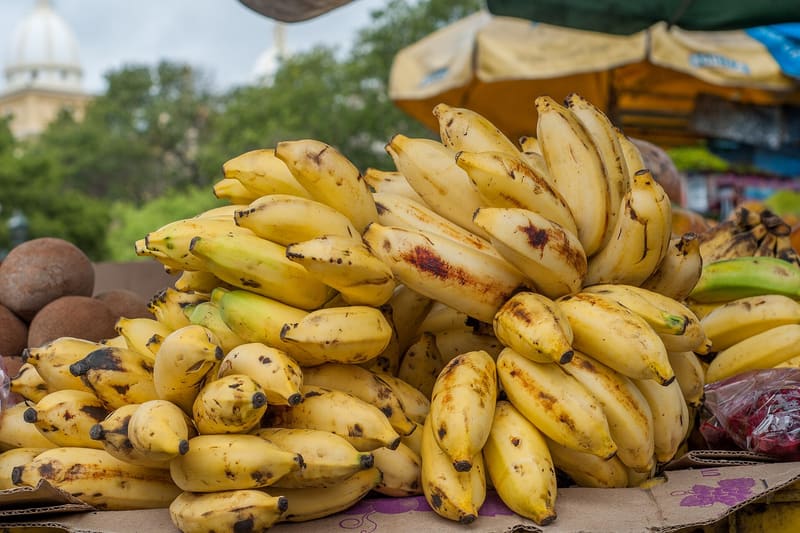
Wilfredor — CC0 — Wikimedia Commons Botanically a berry is a fleshy fruit developing from a single ovary, with seeds inside the flesh rather than in a stone. Bananas qualify, including the tiny dark specks that are the remains of seeds in cultivated varieties.
-
Number 11: A strawberry is not a berry
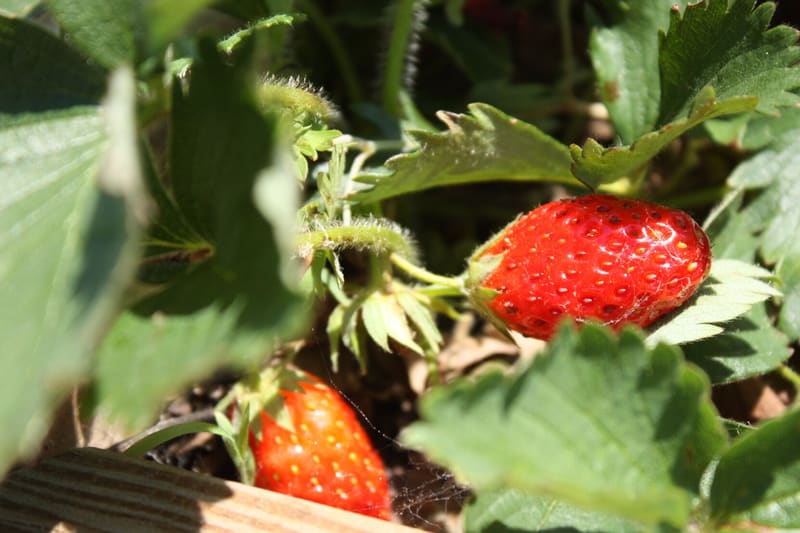
Alabama Extension — CC0 — Wikimedia Commons The fleshy red part is swollen receptacle tissue, not ovary wall. The actual fruits are the small hard specks on the outside, each one a separate tiny fruit containing a seed.
-
Number 10: A raspberry is a cluster of tiny fruits
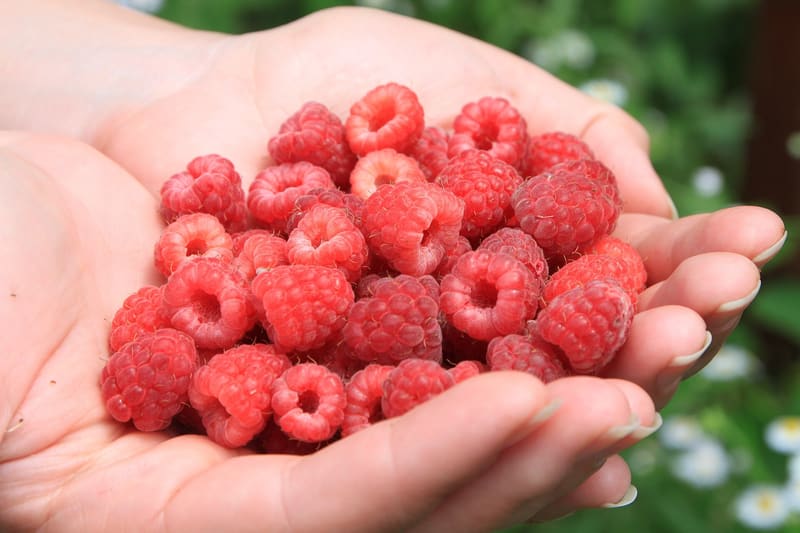
Robert Mihaela Vicol — Public domain — Wikimedia Commons Each little bead is a drupelet with its own seed, grouped around a central core that stays behind on the plant. It is closer in structure to a miniature bunch of cherries than to a blueberry.
-
Number 9: An almond is a seed, not a nut
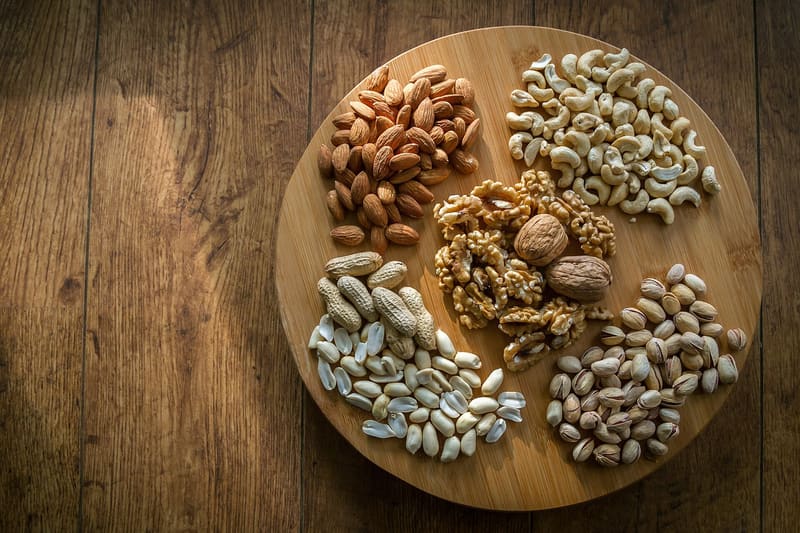
piviso.com — CC0 — Wikimedia Commons Almonds grow inside a stone fruit related to the peach. What you eat is the kernel from inside the stone, which makes it a seed rather than a true nut.
-
Number 8: A cashew is also a seed, and it grows outside the fruit
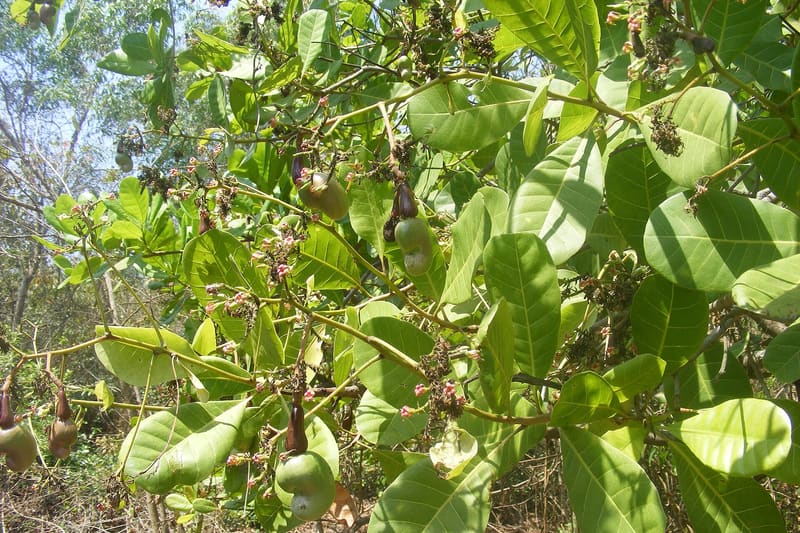
Dr. Raju Kasambe — CC BY-SA 3.0 — Wikimedia Commons The cashew hangs beneath a swollen fleshy stalk called a cashew apple. The shell contains a caustic oil related to the one in poison ivy, which is why cashews are never sold in their shells.
-
Number 7: A peanut is a legume
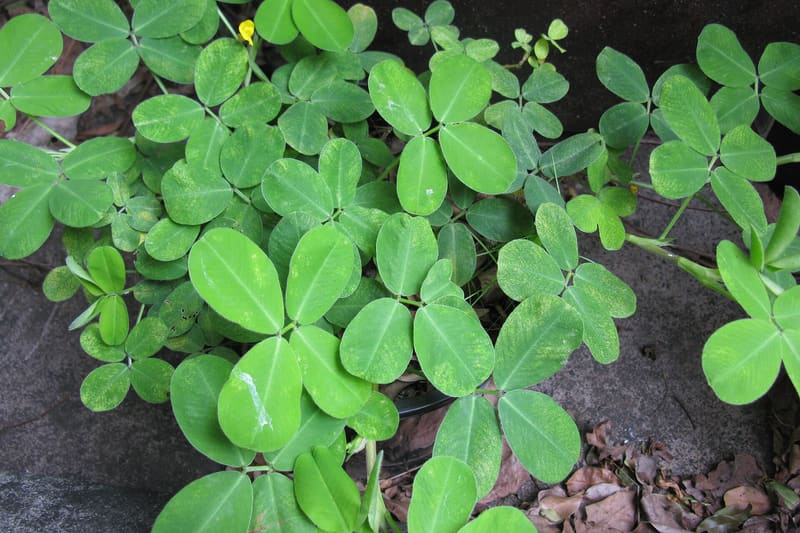
Harry Rose from South West Rocks, Australia — CC BY 2.0 — Wikimedia Commons It is much more closely related to peas and beans than to walnuts, and it develops underground after the flower stalk pushes down into the soil.
-
Number 6: A tomato is a fruit, and legally a vegetable
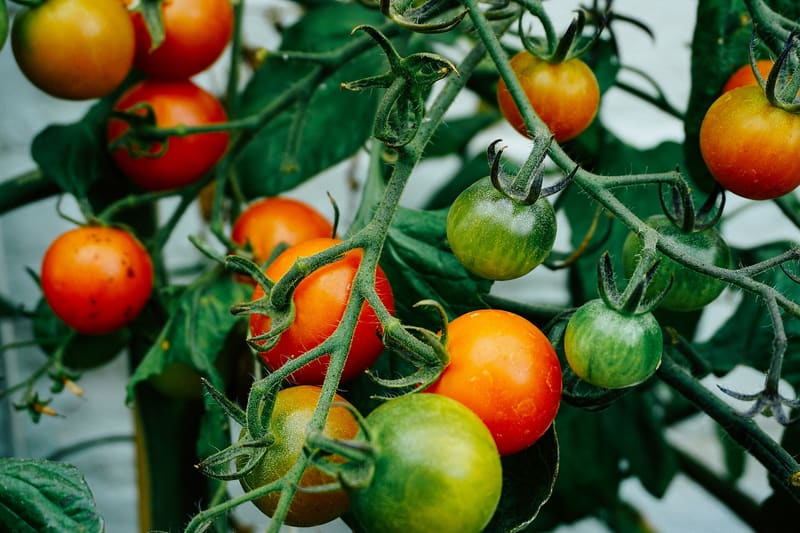
Dan Gold danielcgold — CC0 — Wikimedia Commons Botanically it is unambiguously a fruit. In 1893 the United States Supreme Court nonetheless ruled it a vegetable for the purposes of import tariffs, on the grounds of how it is actually used in cooking.
-
Number 5: Rhubarb is a vegetable used as a fruit
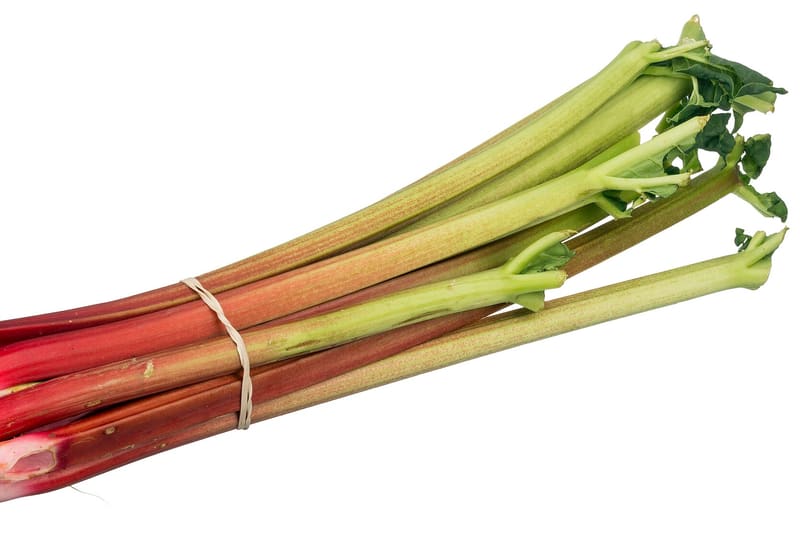
Evan-Amos — Public domain — Wikimedia Commons The edible part is a leaf stalk. The leaves themselves contain high levels of oxalic acid and are not eaten.
-
Number 4: A cucumber is a fruit, and so is a courgette
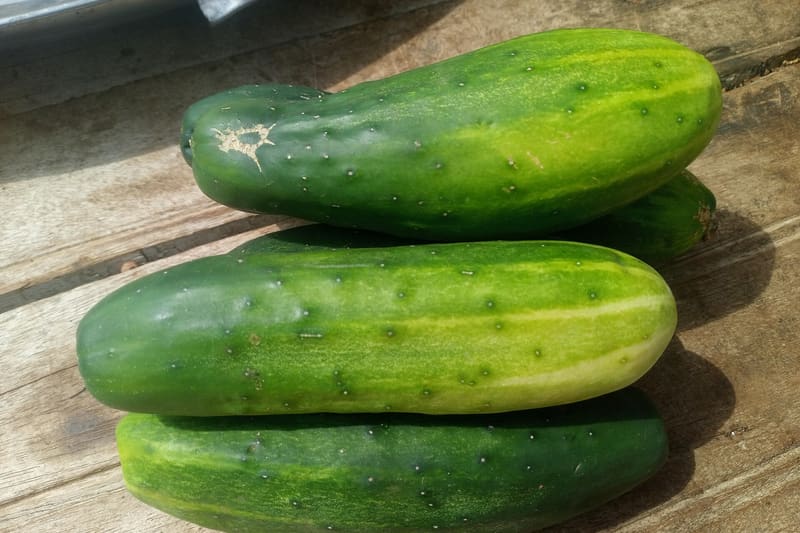
Eunice Ameh — CC0 — Wikimedia Commons Both develop from the flower and contain seeds, which makes them fruits botanically. They belong to a family whose fruit type has its own name: the pepo, which also covers pumpkins and melons.
-
Number 3: Wild bananas are full of hard seeds
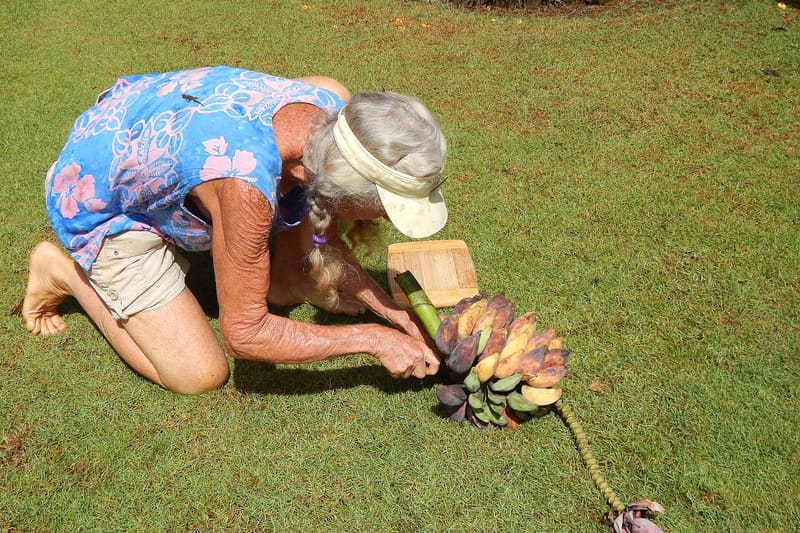
Forest and Kim Starr — CC BY 3.0 us — Wikimedia Commons The seedless banana is a cultivated form propagated from cuttings rather than seed. Wild relatives contain large black seeds that make them barely worth eating.
-
Number 2: A pineapple is many fruits fused together
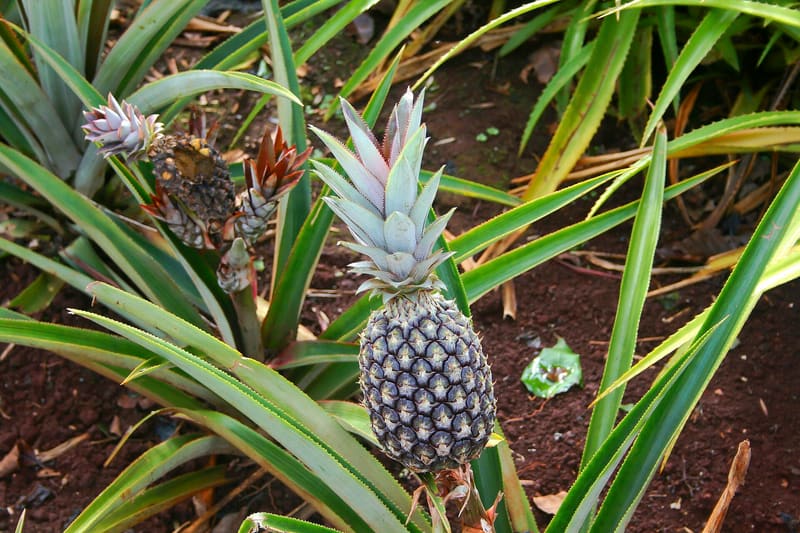
Diego Delso — CC BY-SA 3.0 — Wikimedia Commons It forms from a cluster of separate flowers that merge as they develop. Each diamond-shaped segment on the skin is the remnant of one individual flower.
-
And the strangest one of the lot
Number 1: Broccoli, cauliflower, cabbage, kale and Brussels sprouts are the same species
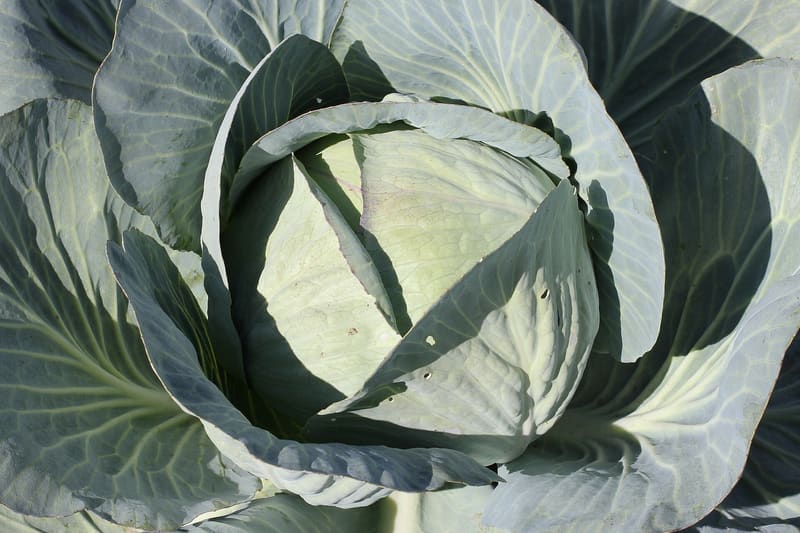
George Chernilevsky — Public domain — Wikimedia Commons This is the one that surprises people most. All of them are cultivated forms of Brassica oleracea, a single wild plant from the coasts of western Europe. Centuries of selective breeding emphasised different parts of it: the flower buds gave broccoli and cauliflower, the terminal bud gave cabbage, the leaves gave kale, the side buds gave Brussels sprouts and the stem gave kohlrabi. They look nothing alike and they will interbreed quite happily.


.jpg)


.JPG)
.jpg)
.jpg)


.jpg)


The botanical categories were never designed to match the kitchen, which is why they so often disagree with it. Both are right about different things.
Where this came from
- Plant classification and fruit types — Royal Botanic Gardens, Kew
- Botany reference: fruit and seed structures — Encyclopaedia Britannica
- Crop and plant science information — Royal Horticultural Society
Read next
 Myth or Fact
 Eight Famous Strange Laws That Are Completely Made Up
Most viral lists of bizarre laws are wrong. Here are eight of the most repeated ones, what is actually true underneath them, and why they will not die.
 Countdown
 Nine Deep-Sea Creatures That Barely Look Real
The deep ocean is the largest habitat on Earth and the least visited. Nine of its residents, and the specific problem each one has evolved to solve.
 Real or Fake
 Real or Fake? Ten Scientific Claims, and Only Some Are True
Ten claims about physics, chemistry and biology. Some are established findings that sound absurd; some are things everybody repeats that are simply wrong.