
World Landmarks Countdown
Ten Landmarks That Are a Completely Different Size to What You Imagine
Famous structures are photographed from angles that flatter them. Ten landmarks with their actual dimensions, and why the photographs mislead.

There is a well-known phenomenon in travel where a famous sight produces disappointment, and it is almost always about scale rather than quality.
The cause is not the landmark. It is that almost every image of a famous place has been taken to make it look its best, which usually means removing exactly the information you need to judge its size.
Ten of them below, counting up to the reason it keeps happening.
-
Number 10: Smaller than expected: the Mona Lisa
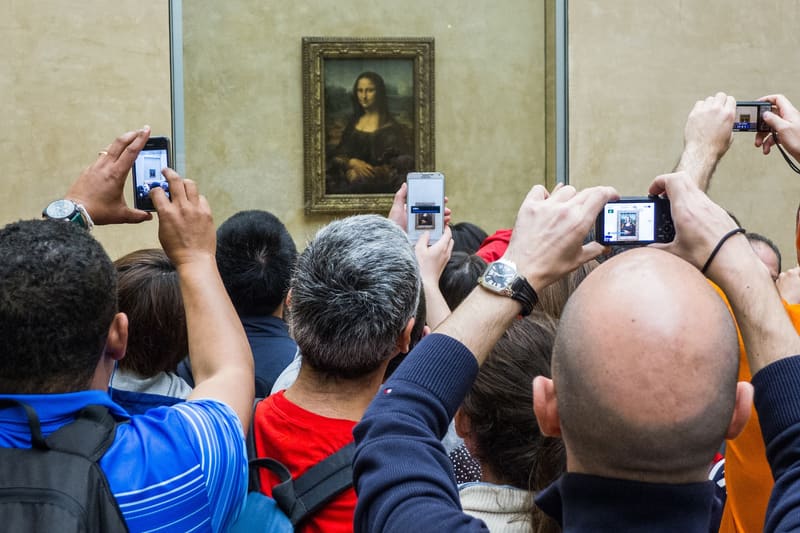
Thomas Staub — CC0 — Wikimedia Commons Roughly 77 by 53 centimetres. It is a modest panel painting behind glass at the end of a very large room, and the most commonly reported reaction is surprise at how small it is. Reproductions almost always crop tightly, which removes the size cue entirely.
-
Number 9: Smaller than expected: Stonehenge
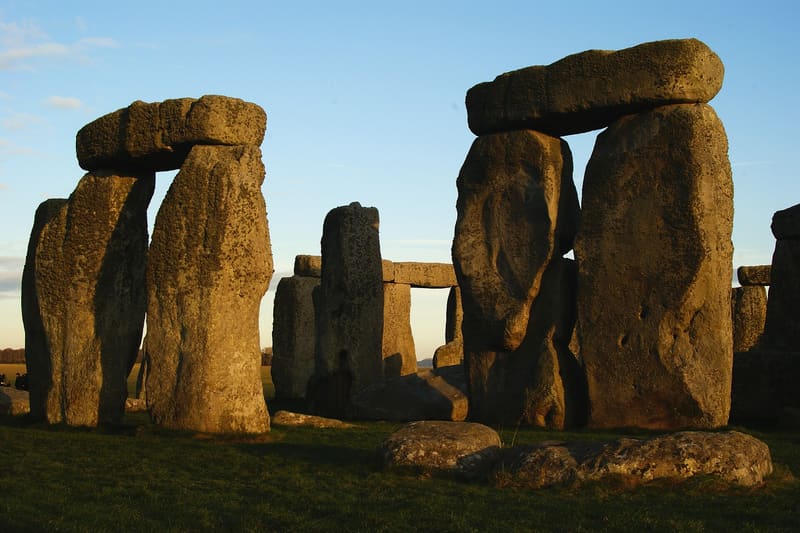
Peter Trimming — CC BY-SA 2.0 — Wikimedia Commons The largest standing stones are around seven metres tall, which is impressive but much less than photographs imply. Long lenses compress the circle and low-angle shots against sky remove any reference point.
-
Number 8: Bigger than expected: the Great Wall
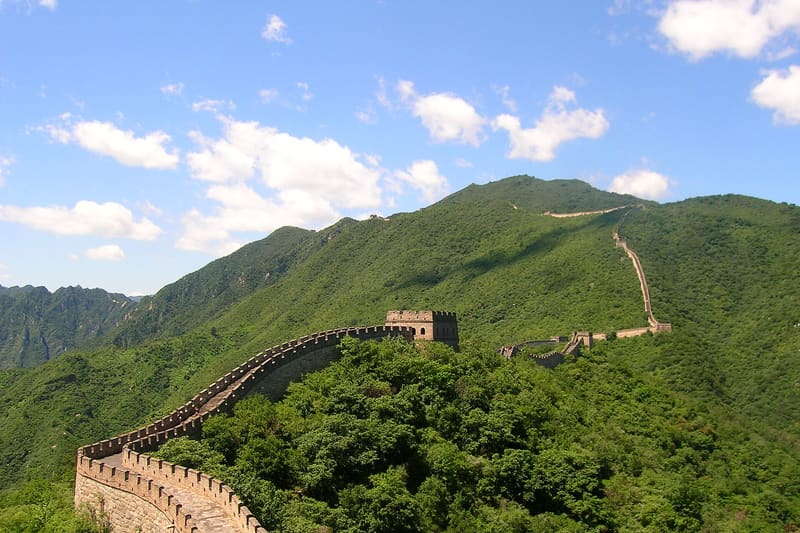
Velatrix — CC0 — Wikimedia Commons Not in height, but in length. Including all branches and periods of construction, surveys have put the total at over twenty thousand kilometres. It is not a single wall but a system built over many centuries, much of it now ruined or vanished.
-
Number 7: Smaller than expected: the Little Mermaid statue
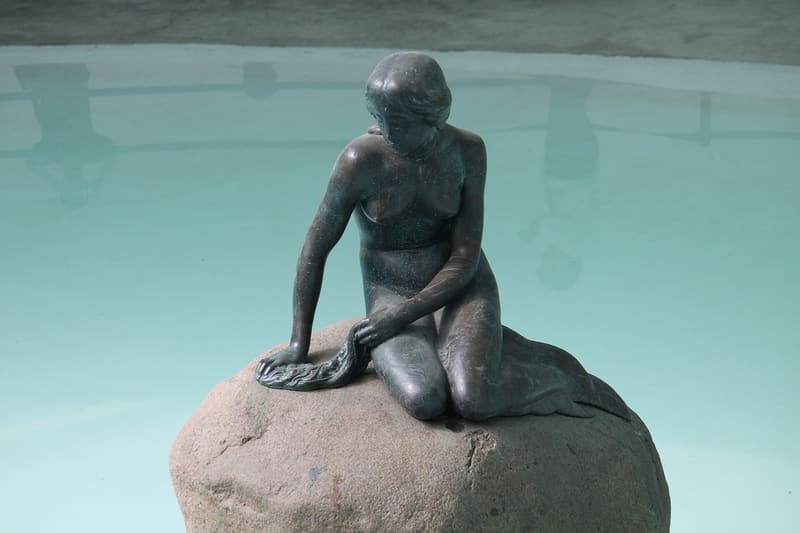
Gary Lee Todd, Ph.D — CC0 — Wikimedia Commons About 1.25 metres tall, sitting on a rock at the water's edge. It is regularly cited as one of the most underwhelming famous sights in Europe, almost entirely because of the gap between its fame and its physical scale.
-
Number 6: Bigger than expected: the Statue of Liberty
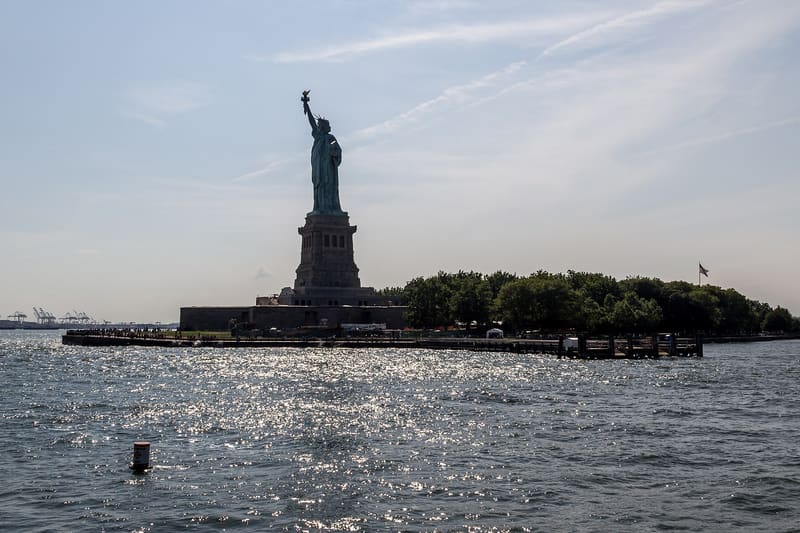
Dietmar Rabich — CC BY-SA 4.0 — Wikimedia Commons Around 46 metres from base to torch, or about 93 metres including the pedestal. The copper skin is only a couple of millimetres thick, supported on an internal iron framework, which is how something that size was shipped across the Atlantic in crates.
-
Number 5: Bigger than expected: the Pyramid of Khufu
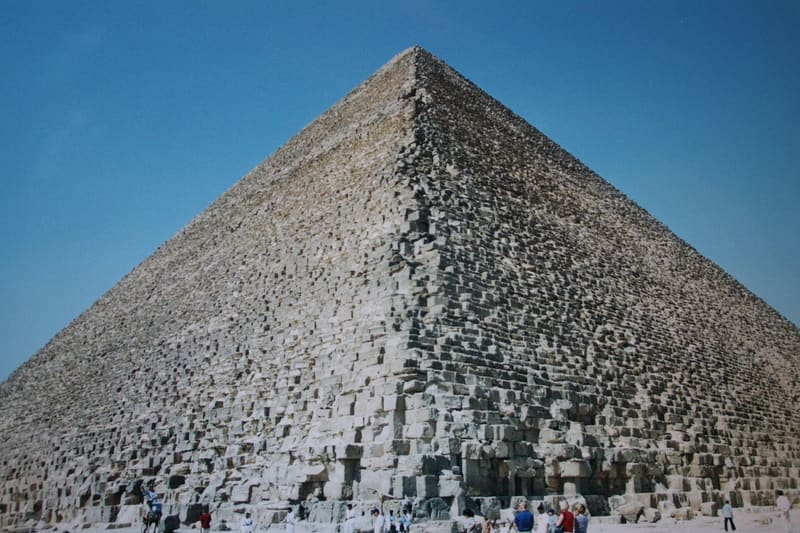
Gary Todd from Xinzheng, China — CC0 — Wikimedia Commons Originally around 146 metres tall, and the tallest structure made by humans for something like four thousand years. Photographs taken from a distance across flat desert consistently understate it.
-
Number 4: Smaller than expected: the Hollywood sign
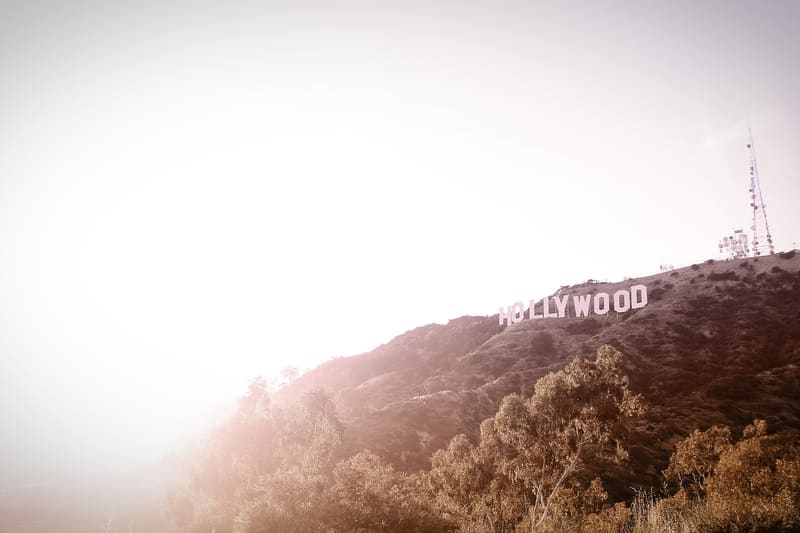
Florian Klauer florianklauer — CC0 — Wikimedia Commons The letters are around 14 metres tall, which is large but far less than the hillside setting suggests. It was originally an advertisement for a property development and was never intended to be permanent.
-
Number 3: Bigger than expected: the Colosseum
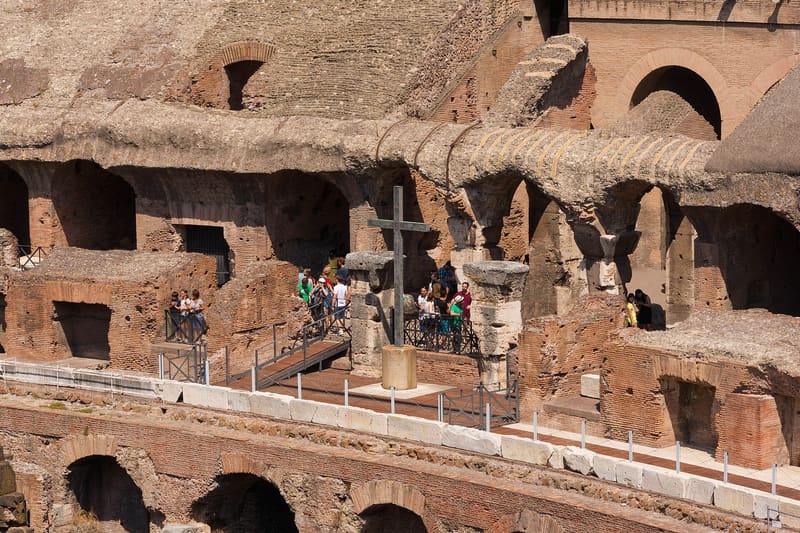
Jebulon — CC0 — Wikimedia Commons Capacity estimates vary considerably, but even conservative figures put it in the tens of thousands. What survives is a partial ruin: a substantial portion of the outer wall collapsed, largely through earthquakes, and much of the stone was later reused elsewhere.
-
Number 2: Smaller than expected: Plymouth Rock
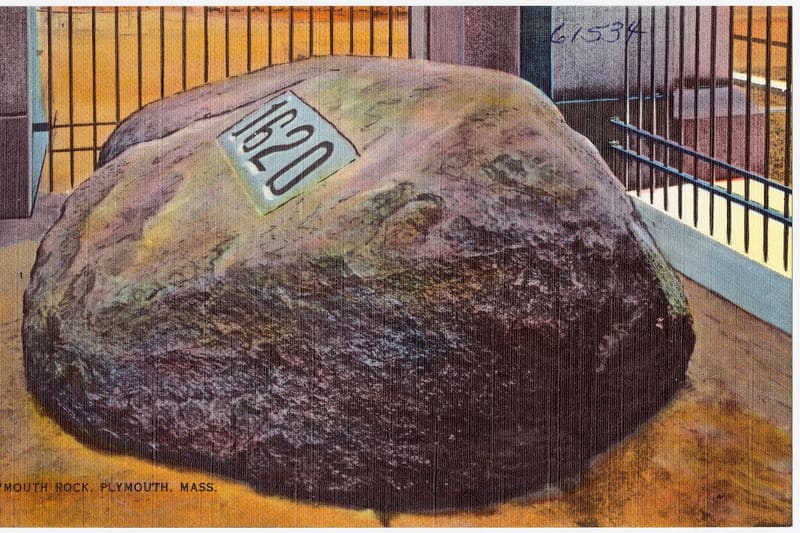
Pub. by Smith's Inc., Plymouth, Mass. Tichnor Bros. Inc., Boston, Mass — Public domain — Wikimedia Commons A modest boulder under a shelter. Its documented association with the 1620 landing was recorded well over a century after the event, and it has been moved and broken more than once, so what is on display is a fragment of a claim as much as a rock.
-
And the strangest one of the lot
Number 1: Why the photographs mislead so reliably
Illustration: World of Curious There are three mechanisms and they work together. The first is lens choice: wide lenses exaggerate depth and make foreground subjects loom, while long lenses compress distance and stack elements together. The second is the removal of scale cues — photographers deliberately wait for the crowds to clear, which takes away the only reliable reference for size, namely other people. The third is cropping: a picture framed tightly on the subject contains no information at all about how big it is, which is why the Mona Lisa and Stonehenge both suffer so badly. The reliable fix when planning a trip is to look for a photograph with people in it, taken on a normal lens, from a normal standing position. It is much less beautiful and enormously more informative.


.jpg)


,_Statue_of_Liberty_--_2012_--_6660.jpg)
.jpg)
.jpg)

.jpg)
None of this makes the places less worth seeing. It just makes the first thirty seconds less of a shock.
Where this came from
- World Heritage site descriptions — UNESCO
- Architecture and monuments reference — Encyclopaedia Britannica
- Collections and monument records — The British Museum
Read next
 Countdown
 Eight Landscapes That Look Edited and Are Not
Pink lakes, striped mountains and ground that has been burning for decades. Eight places that look impossible, with the geology that explains each one.
 Countdown
 Ten Facts About the Size of Australia That Never Quite Sink In
Australia is mostly a scale problem. Ten comparisons that make the distances legible, including the ones that surprise Australians.
 Countdown
 Eight Islands With Genuinely Strange Arrangements
An island in a lake on an island in a lake, a border that swaps every six months, and the most remote inhabited place on Earth. Eight islands and the reasons behind them.