
Recipes We Grew Up With Countdown
Ten Dishes That Appear on Almost Every Handwritten Recipe Card
The recipes that were copied out by hand and passed between families, why they were always those ten, and what the handwriting tells you about the cook.

Handwritten recipe collections are one of the best sources we have for how ordinary households actually ate, and they are disappearing quietly as they get thrown out during house clearances.
What is striking, looking at a lot of them, is how similar the contents are. The same dishes turn up again and again, across regions and decades, and the reason is almost always practical: they keep, they scale, they tolerate substitution, or they use up something you already had.
Ten of them, counting up to the card that is most worth keeping.
-
Number 10: A fruit crumble
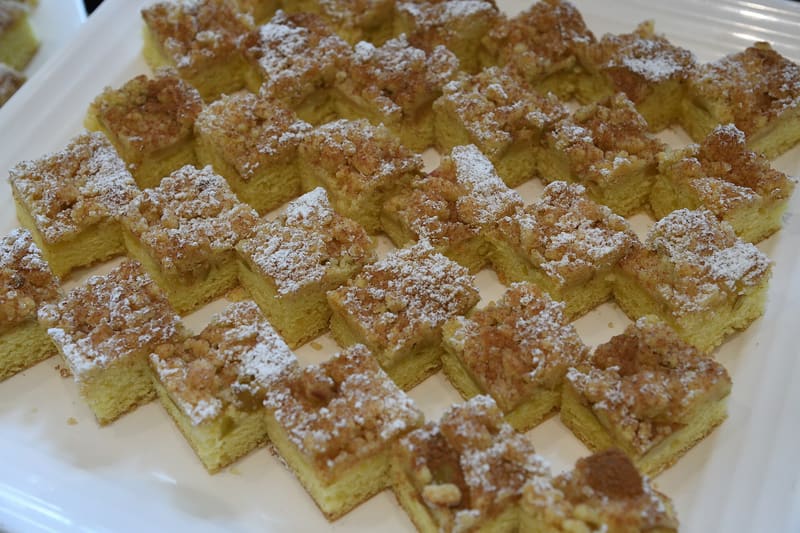
Biswarup Ganguly — CC BY 3.0 — Wikimedia Commons Almost never written down in full, because the topping is a ratio rather than a recipe and everyone was assumed to know it. What does get written is the fruit and the sugar, which is the part that changes with what is in the garden.
-
Number 9: A boiled fruit cake
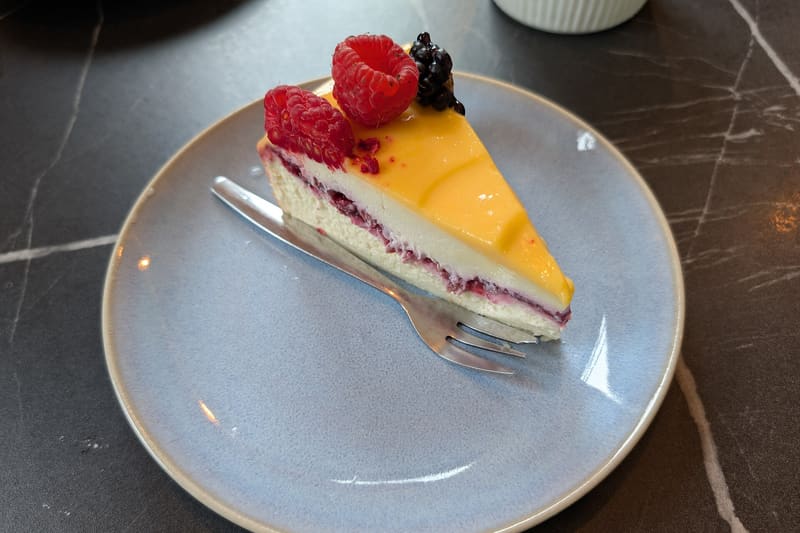
Andy Li — CC0 — Wikimedia Commons The dried fruit is simmered with the butter and sugar before anything else goes in, which makes it keep for weeks. It appears constantly in handwritten collections because it is nearly impossible to get wrong and it travels well.
-
Number 8: Scones
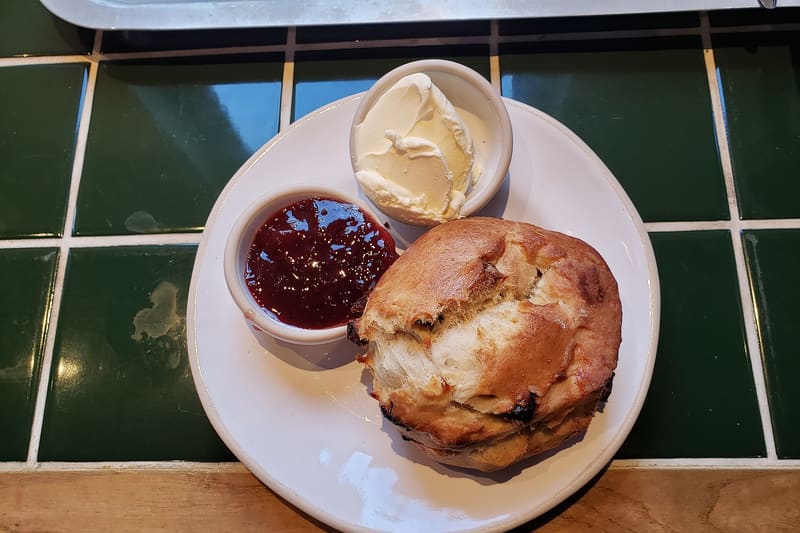
Andy Li — CC0 — Wikimedia Commons The shortest recipe in any tin, usually four lines, usually with an instruction like handle as little as possible. Nearly every family has a version, and nearly every family believes theirs is the correct one.
-
Number 7: A pot of soup made from a carcass
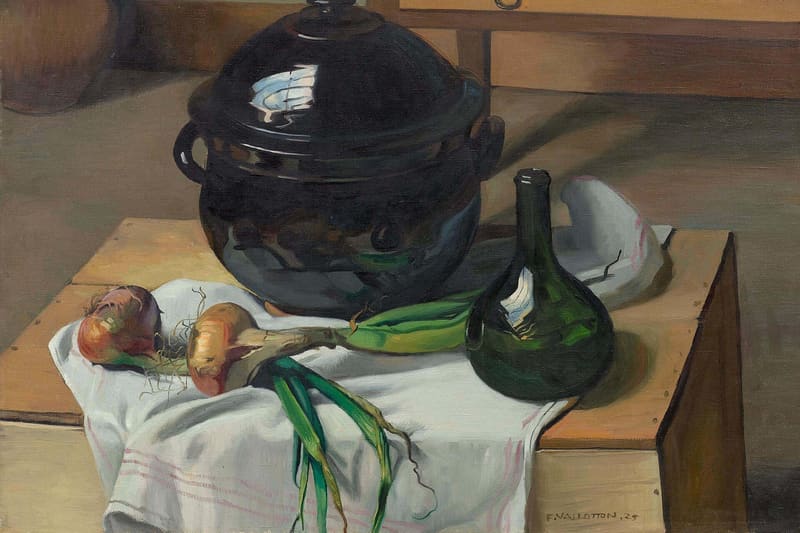
Félix Vallotton — Public domain — Wikimedia Commons Rarely called a recipe. Often written as a sequence of steps for Monday, following a Sunday roast, and assuming leftovers that a modern reader would not have.
-
Number 6: Shortbread
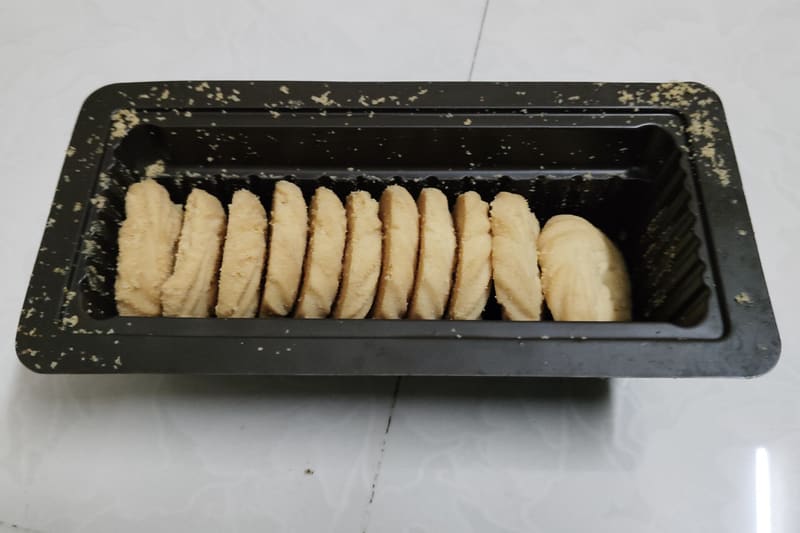
Nizil Shah — CC BY 4.0 — Wikimedia Commons Three ingredients in a fixed ratio, which is why it survives on cards in so many hands. The variations are almost entirely about thickness and how long it goes in for.
-
Number 5: A steamed pudding
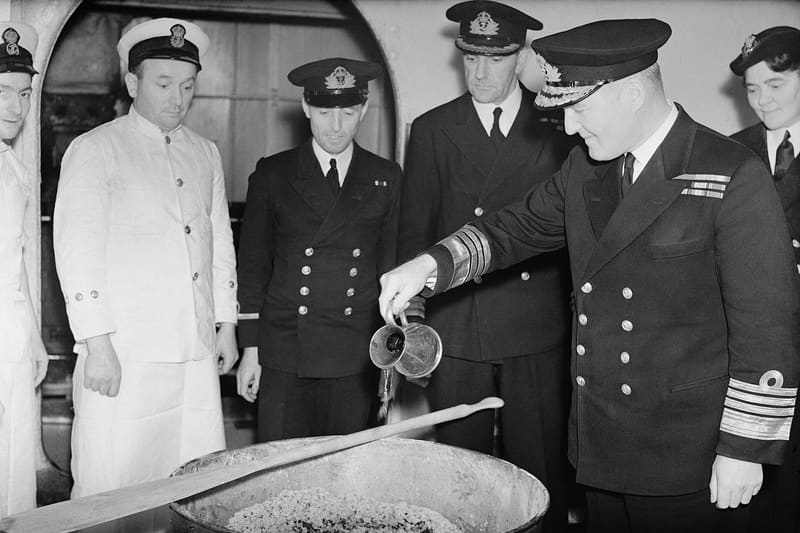
Royal Navy official photographer — Public domain — Wikimedia Commons Written down because the timing is unforgiving and nobody could remember it. These cards frequently carry a warning in capitals about topping up the water.
-
Number 4: Pickles or chutney
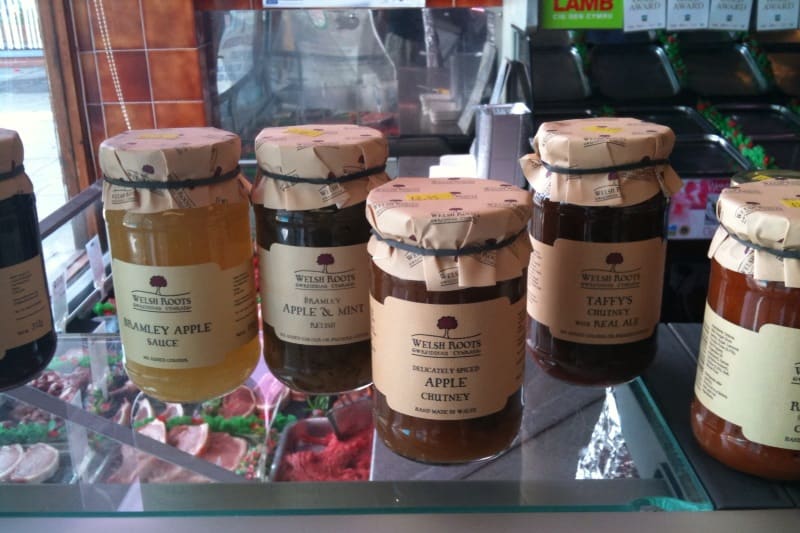
Vouliagmeni — Public domain — Wikimedia Commons Always written in large quantities, because pickling was done when a glut arrived rather than when you fancied it. The card usually gives weights in pounds and ounces and a yield in jars.
-
Number 3: A tray bake with condensed milk

Illustration: World of Curious A whole family of recipes built around one tin, produced in enormous numbers across the twentieth century because the tin kept indefinitely and the method needed no skill.
-
Number 2: A casserole with one unexpected ingredient
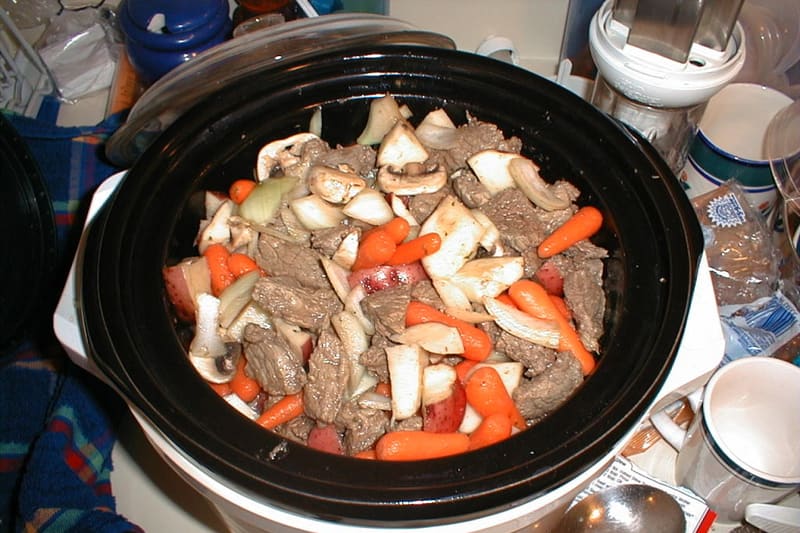
Kurt Nordstrom from Ponder, TX, USA — CC BY 2.0 — Wikimedia Commons Every collection has one: the stew with a spoonful of marmalade, the chicken dish with a tin of soup in it. These are the cards that get copied most often, because they are the ones people ask for.
-
And the strangest one of the lot
Number 1: The one that is not really a recipe at all
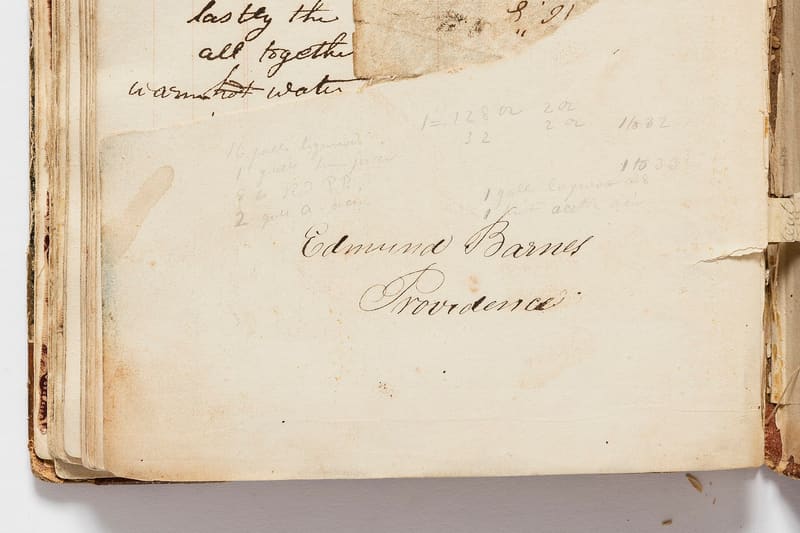
Unknown artist Unknown artist — Public domain — Wikimedia Commons In almost every tin there is a card that would be useless to a stranger. It says something like: as usual, but double the onions, and cook it longer than you think. It is not written for a reader. It is a note from a cook to herself, or to one specific person who already knew the base recipe, and it is the most valuable card in the box precisely because it assumes so much. Manuscript recipe collections held in archives have exactly the same character — they are working documents, full of corrections, substitutions and shorthand, and they tell you far more about how people actually cooked than any published cookbook of the same period.


,_1820%E2%80%9339_(CH_18386407-2).jpg)
If you have a tin like this, the most useful thing you can do is photograph the cards. Ink fades, and the stains are part of the record.
Where this came from
- Domestic cookery collections and manuscript recipe books — The British Library
- Food history and domestic life collections — Museums Victoria
- History of home cookery — Encyclopaedia Britannica

Read next
 Countdown
 How Many of These 15 Things From a 90s Childhood Do You Remember?
Fifteen very specific objects, sounds and rituals from a 1990s childhood, from the tape-deck pause button to the phone cord that reached exactly nowhere.
 Countdown
 15 Things From a 1970s Kitchen Younger People Might Not Recognise
Fifteen objects that sat on the bench, in the drawer or under the sink of an ordinary 1970s kitchen, and what each one was actually for.
 Countdown
 Eight Small-Space Layout Tricks That Genuinely Work
The design moves that make a very small home liveable, the ones that only work in photographs, and the compromises people say they regret.